View methods side by side.
Choose up to four methods. Add them using the search and share the comparison by copying its link.
| Criterion |  Delivery MoSCoW | 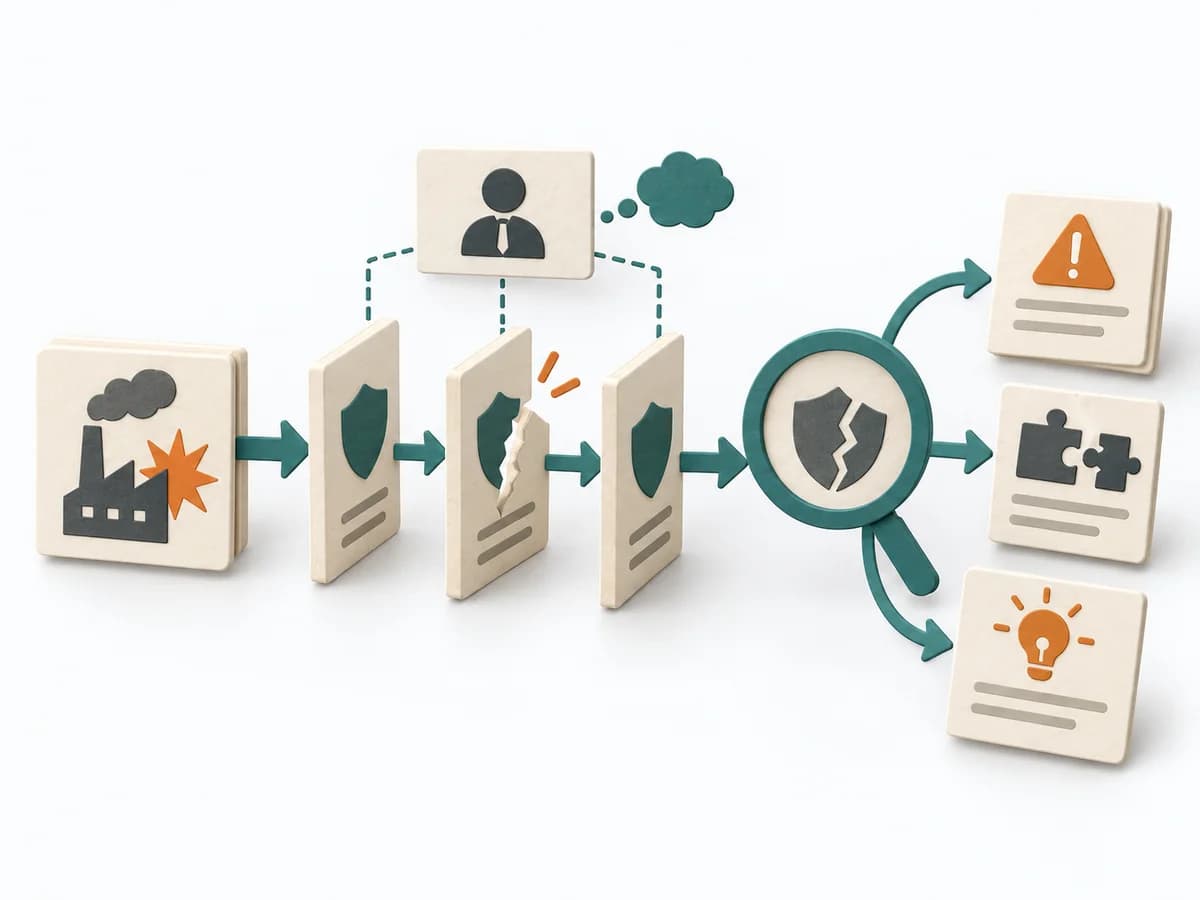 Operations MORT Analysis | 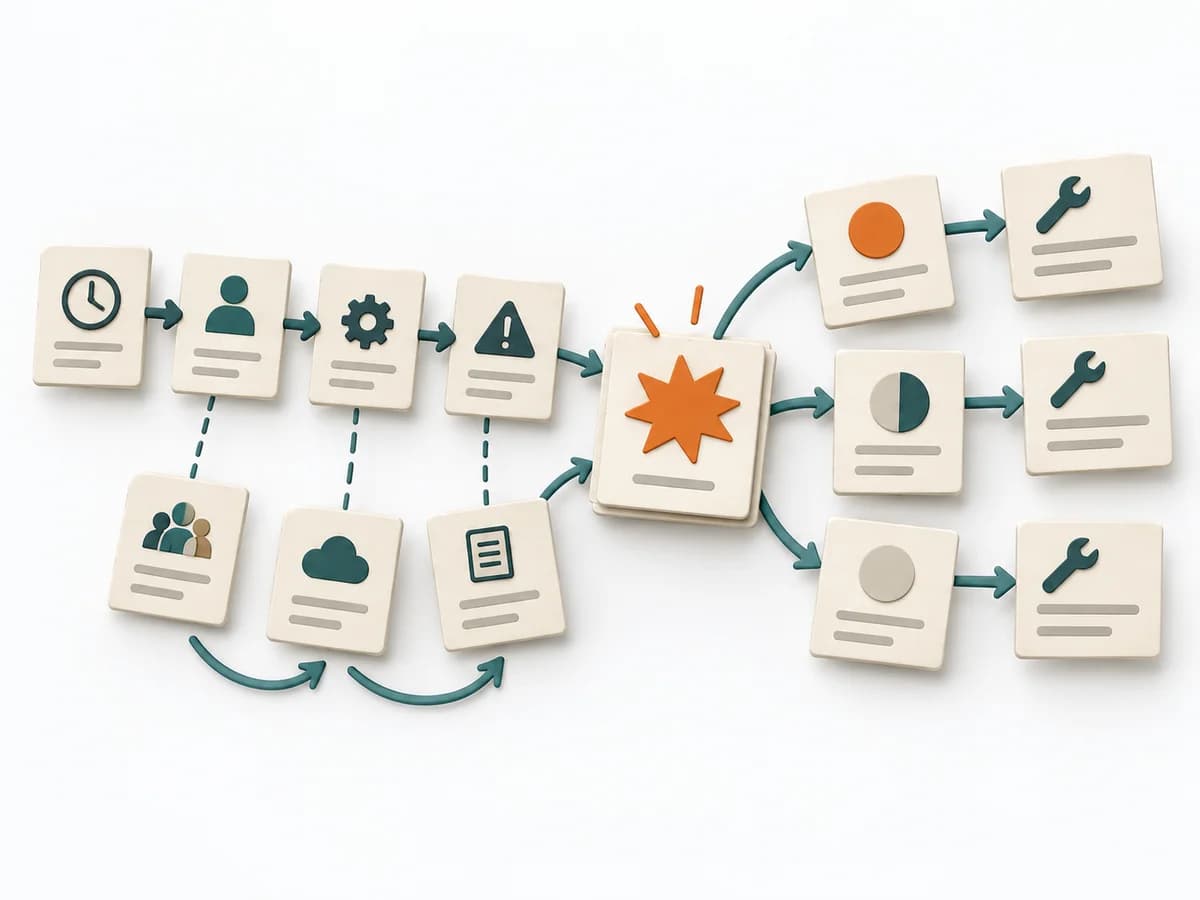 Operations Causal Factor Analysis |  Operations Barrier Analysis |
|---|---|---|---|---|
Purposedifferent | When a release carries too many demands and priorities are only ever negotiated, MoSCoW creates clear boundaries for the next cut. Must, Should, Could, and Won't make commitment, room for maneuver, and trade-off logic visible to everyone involved. | For a safety-relevant event or a system with high protection requirements, the method examines where controls failed. It exposes both technical and organizational gaps. | For an event with a complicated course, the method breaks down the contributing factors along the timeline. It shows how conditions, decisions, and reactions together produce a course of events. | For a risk that can only be managed through multiple layers of protection, the method examines the effectiveness of each barrier. It shows where safeguards are missing, too weak, or fail under real conditions. |
Complexitydifferent | Low | High | High | Medium |
Timedifferent | 30-90 min | Mehrere Tage bis Wochen | 2-6 h | 2-4 h |
Participantsdifferent | 3-12 | 2-6 | 3-10 | 2-6 |
Formatsame | Workshop + async | Workshop + async | Workshop + async | Workshop + async |
Outputdifferent | Prioritized Backlog, Release Scope, Tradeoff Notes | MORT Worksheets, Findings per Branch, Corrective Actions, Systemic Recommendations | Event Timeline, Causal Factor Chart, Cause List, Corrective Actions | Barrier Inventory, Failure Analysis per Barrier, Action Backlog |
Tagsno overlap | PrioritizationScopeDecision | Root causeSafetySystemicIncident | CausalityIncidentRoot causeTimeline | Root causeSafetyIncident |