View methods side by side.
Choose up to four methods. Add them using the search and share the comparison by copying its link.
| Criterion |  Delivery MoSCoW |  Domain Modeling Context Map |  Decision Making Delphi Method | 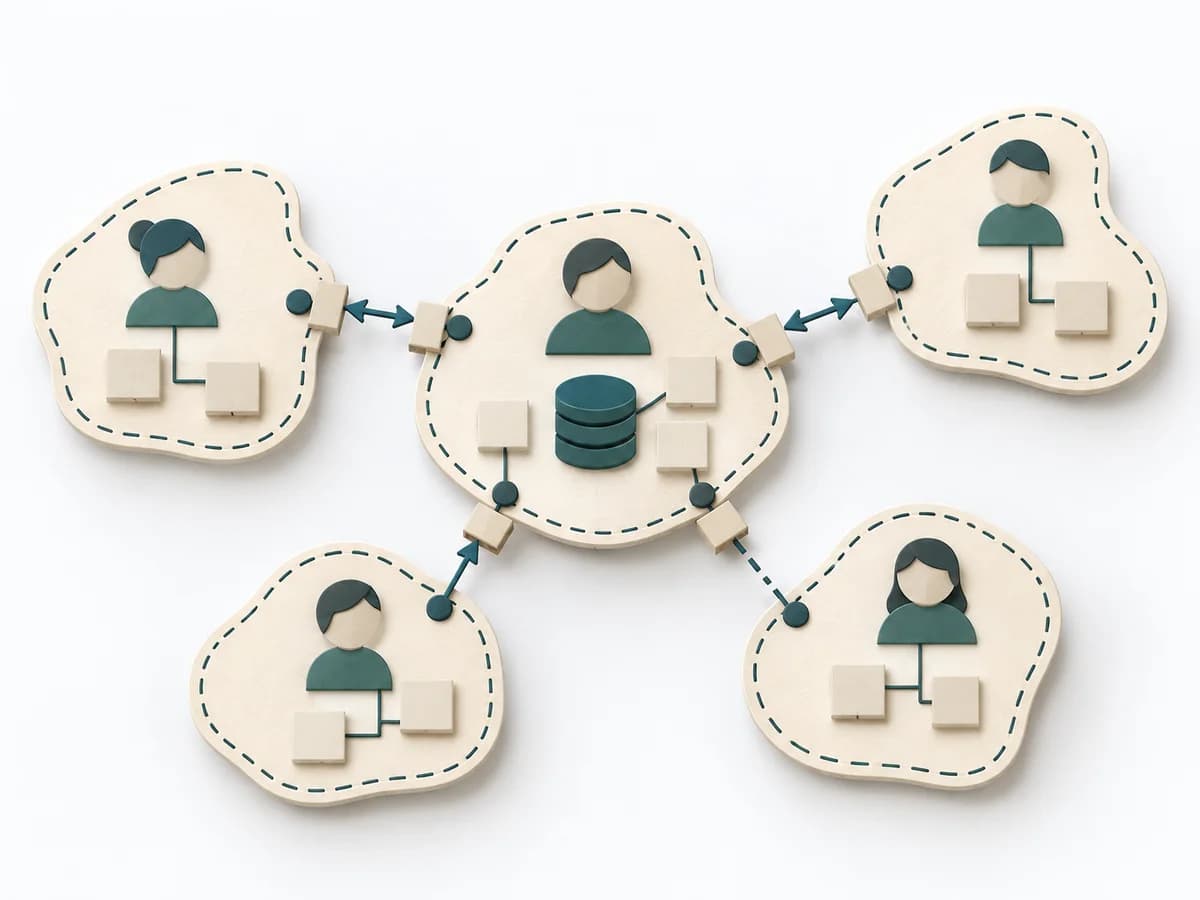 Domain Modeling Domain Context Map |
|---|---|---|---|---|
Purposedifferent | When a release carries too many demands and priorities are only ever negotiated, MoSCoW creates clear boundaries for the next cut. Must, Should, Could, and Won't make commitment, room for maneuver, and trade-off logic visible to everyone involved. | When several contexts need to talk to each other, it makes their relationships and dependencies legible. It helps sort integration pressure and responsibilities across system boundaries. | When knowledge is distributed and direct dominance should be avoided, groups quickly fall under the sway of their opinion leaders. The Delphi Method gathers assessments iteratively and gradually brings expert judgments closer together. | When a domain model and its associated contexts need to be thought through together, it creates a shared overview. It connects the business view and organizational boundary into a readable whole. |
Complexitydifferent | Low | Medium | High | Medium |
Timedifferent | 30-90 min | 1-3 h | 1-4 Wochen | 1-3 h |
Participantsdifferent | 3-12 | 2-8 | 6-30 Experten | 3-10 |
Formatdifferent | Workshop + async | Workshop + async | Async | Workshop |
Outputdifferent | Prioritized Backlog, Release Scope, Tradeoff Notes | Context Map, Integration Patterns, Boundary Notes | Expert Forecast, Consensus Range, Assumption Notes | Domain Context Map, Boundary Notes, Ownership Map |
Tagsno overlap | PrioritizationScopeDecision | Domain-Driven DesignBoundariesStrategy | ForecastingExpertsDecisionStrategy | Domain-Driven DesignContextBoundaries |