View methods side by side.
Choose up to four methods. Add them using the search and share the comparison by copying its link.
| Criterion |  Facilitation Mind Mapping |  DevOps Incident Command | 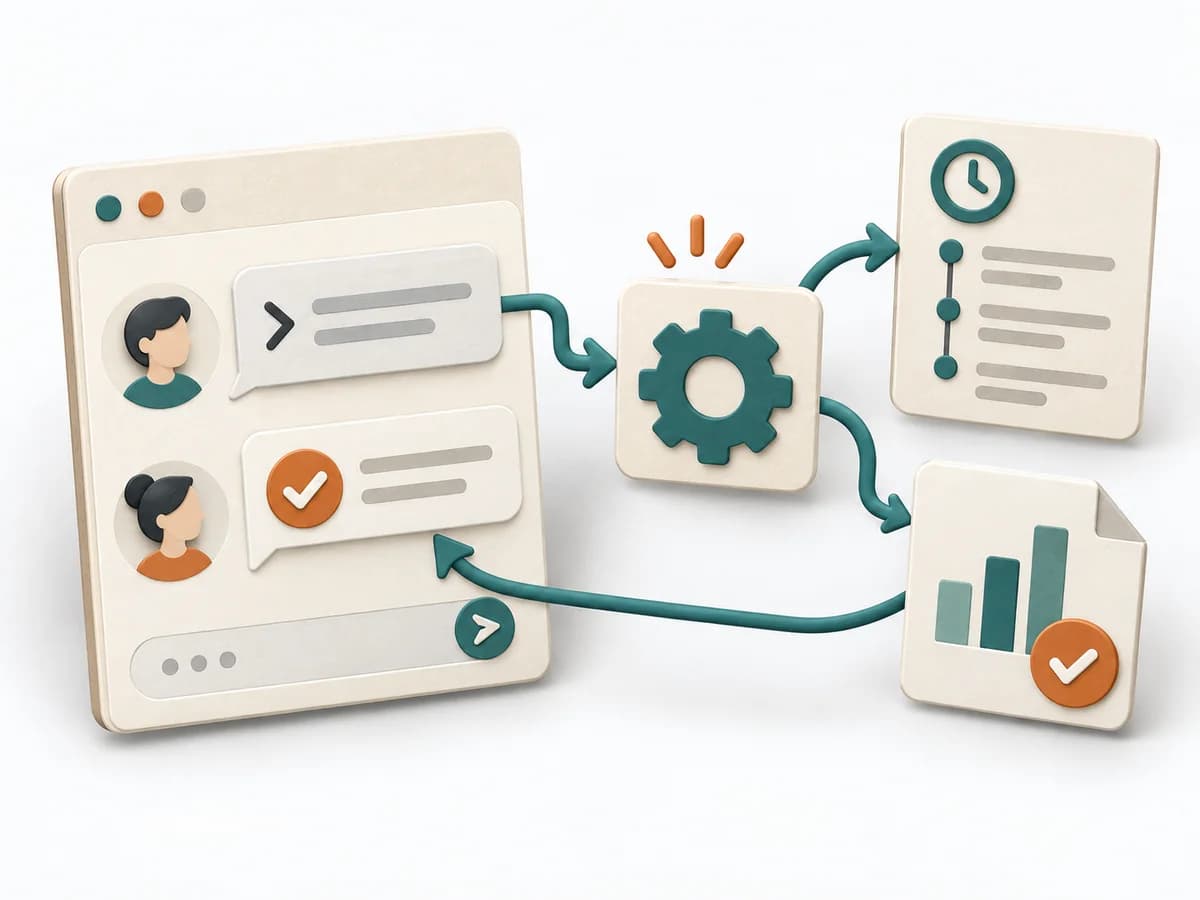 DevOps ChatOps |  DevOps Blameless Postmortem |
|---|---|---|---|---|
Purposedifferent | When a topic is still unclear and too many thoughts surface at once, Mind Mapping creates an open surface for ordering them. It makes connections, subtopics, and starting points visible without fixing them too early. | During an acute incident with several people involved, the method creates a clear leadership and communication structure. It reduces chaos when fast coordination and clean situational awareness are both needed at once. | For operational work in a distributed team, the method links communication with direct system control. It records decisions right where the signal, the context, and the execution come together. | After an incident with damage or a near miss, the method creates a sober field for learning without assigning blame. It directs attention to the course of events, conditions, and effective countermeasures. |
Complexitydifferent | Low | Medium | Medium | Medium |
Timedifferent | 15-45 min | As needed | Ongoing | 30-90 min |
Participantsdifferent | 1-10 | 4-15 | 2-20 | 3-12 |
Formatsame | Workshop + async | Workshop + async | Workshop + async | Workshop + async |
Outputdifferent | Mind Map, Topic Clusters, Open Questions | Incident Log, Action Tracker, Stakeholder Updates | Chat Transcript, Action Log, Automations | Postmortem Doc, Action Items, Timeline |
Tagsno overlap | BrainstormingIdeasMappingStructureFacilitation | IncidentOperationsReliability | CollaborationEngineeringIncident | Site Reliability EngineeringIncidentLearningReliability |