View methods side by side.
Choose up to four methods. Add them using the search and share the comparison by copying its link.
| Criterion | 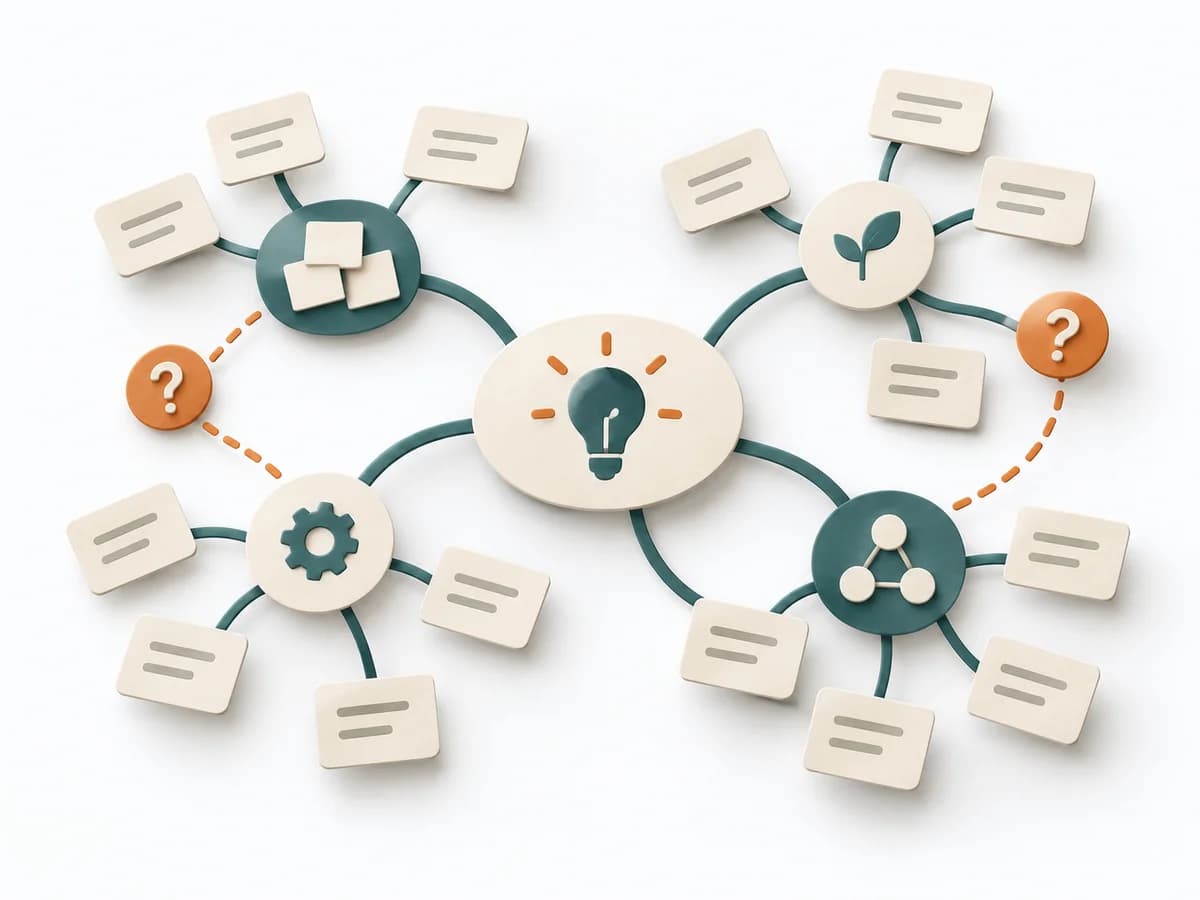 Facilitation Mind Mapping | 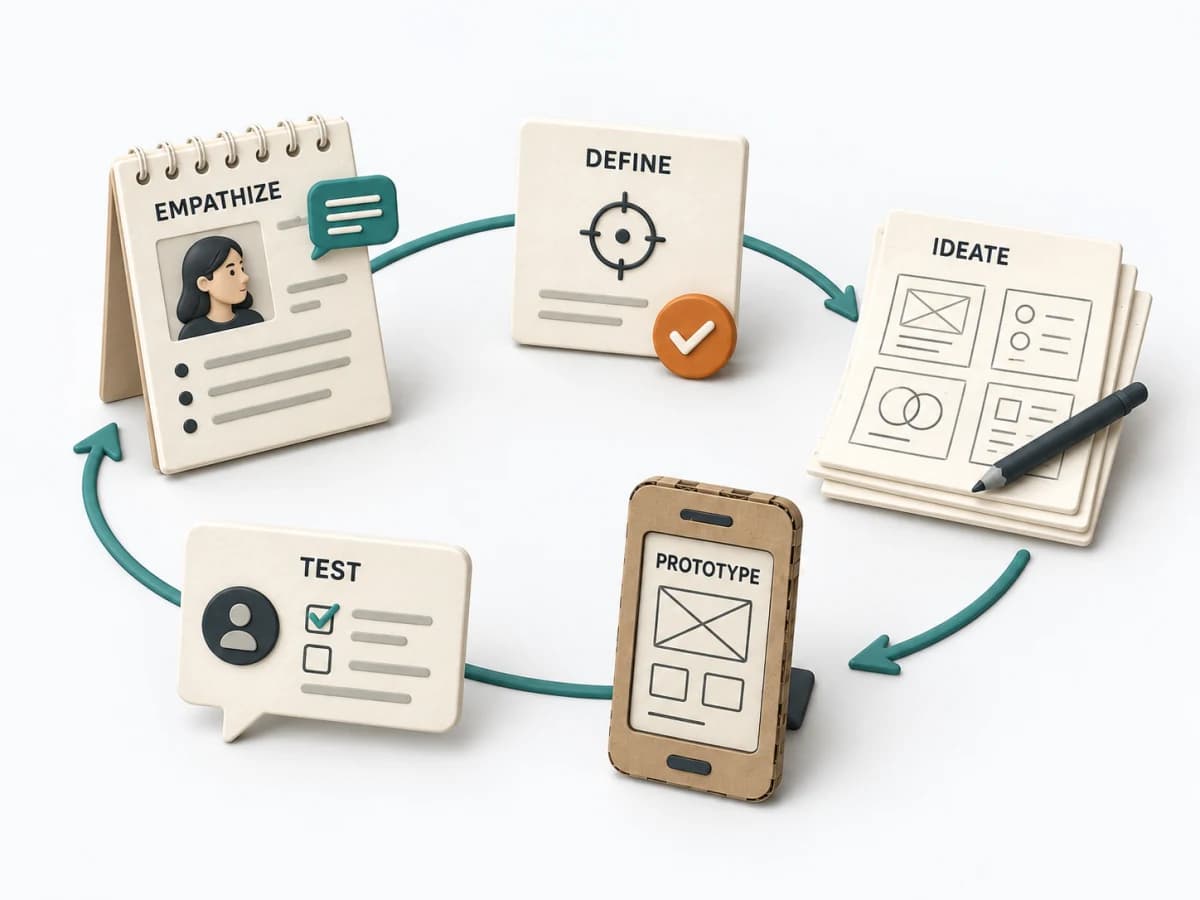 Innovation Design Thinking | 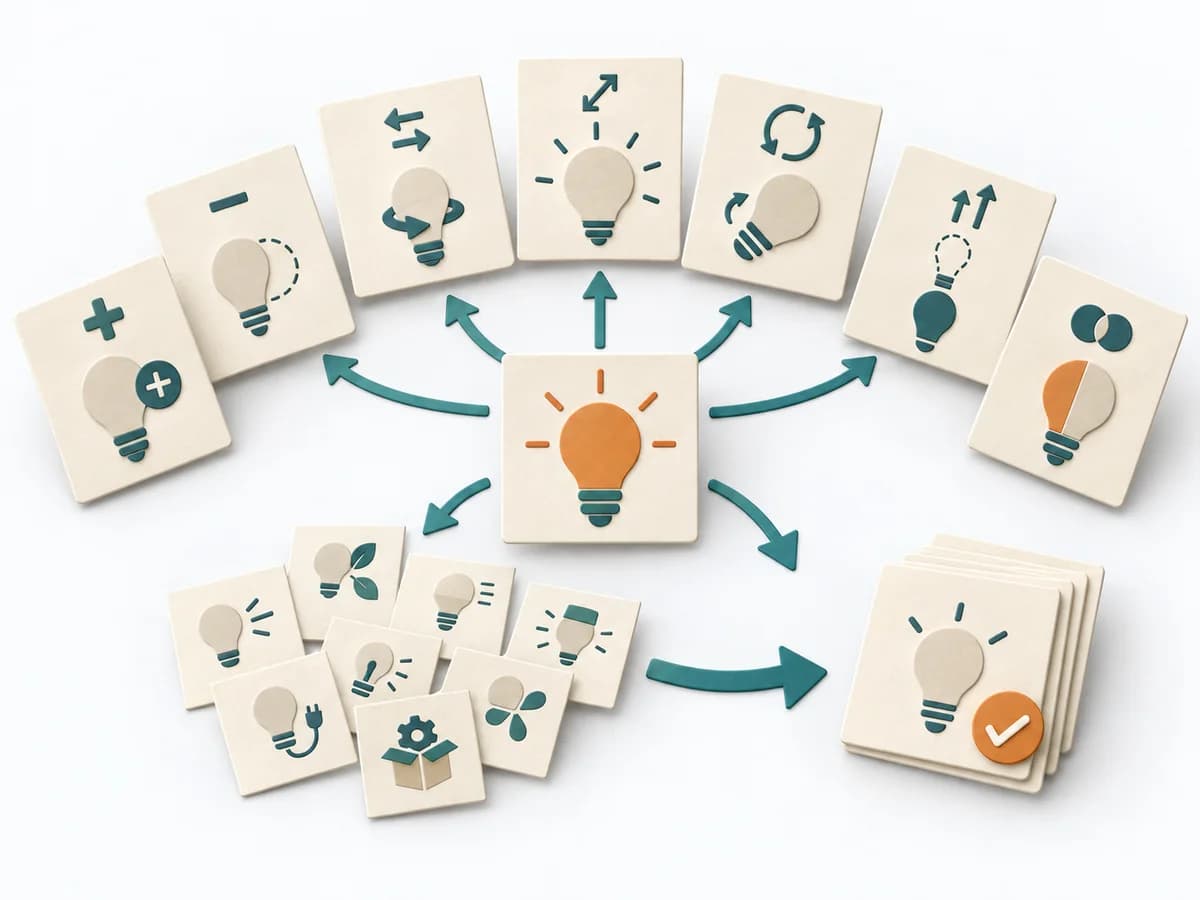 Innovation SCAMPER |
|---|---|---|---|
Purposedifferent | When a topic is still unclear and too many thoughts surface at once, Mind Mapping creates an open surface for ordering them. It makes connections, subtopics, and starting points visible without fixing them too early. | For complex user problems with an uncertain cause, the method connects observation, interpretation, and experiment into a learning cycle. It keeps the focus on real needs and avoids premature solution language. This produces robust decisions for product and service. | For an existing solution under pressure to change, the method deliberately opens space for systematic variants. It directs attention to rebuilding, combining, and repurposing rather than only new basic ideas. This produces concrete evolution paths for products, offerings, or workflows. |
Complexitydifferent | Low | High | Low |
Timedifferent | 15-45 min | 1 Tag bis mehrere Wochen | 30-60 min |
Participantsdifferent | 1-10 | 4-10 | 2-10 |
Formatdifferent | Workshop + async | Workshop | Workshop |
Outputdifferent | Mind Map, Topic Clusters, Open Questions | Problem Statement, Prototype, Test Learnings | SCAMPER Idea List, Concept Shortlist, Variation Notes |
Tagsno overlap | BrainstormingIdeasMappingStructureFacilitation | InnovationPrototypeResearch | BrainstormingIdeationCreativityReframingInnovation |
Often compared together
Methods with strong topical overlap with the current selection, not yet in the comparison.