View methods side by side.
Choose up to four methods. Add them using the search and share the comparison by copying its link.
| Criterion | 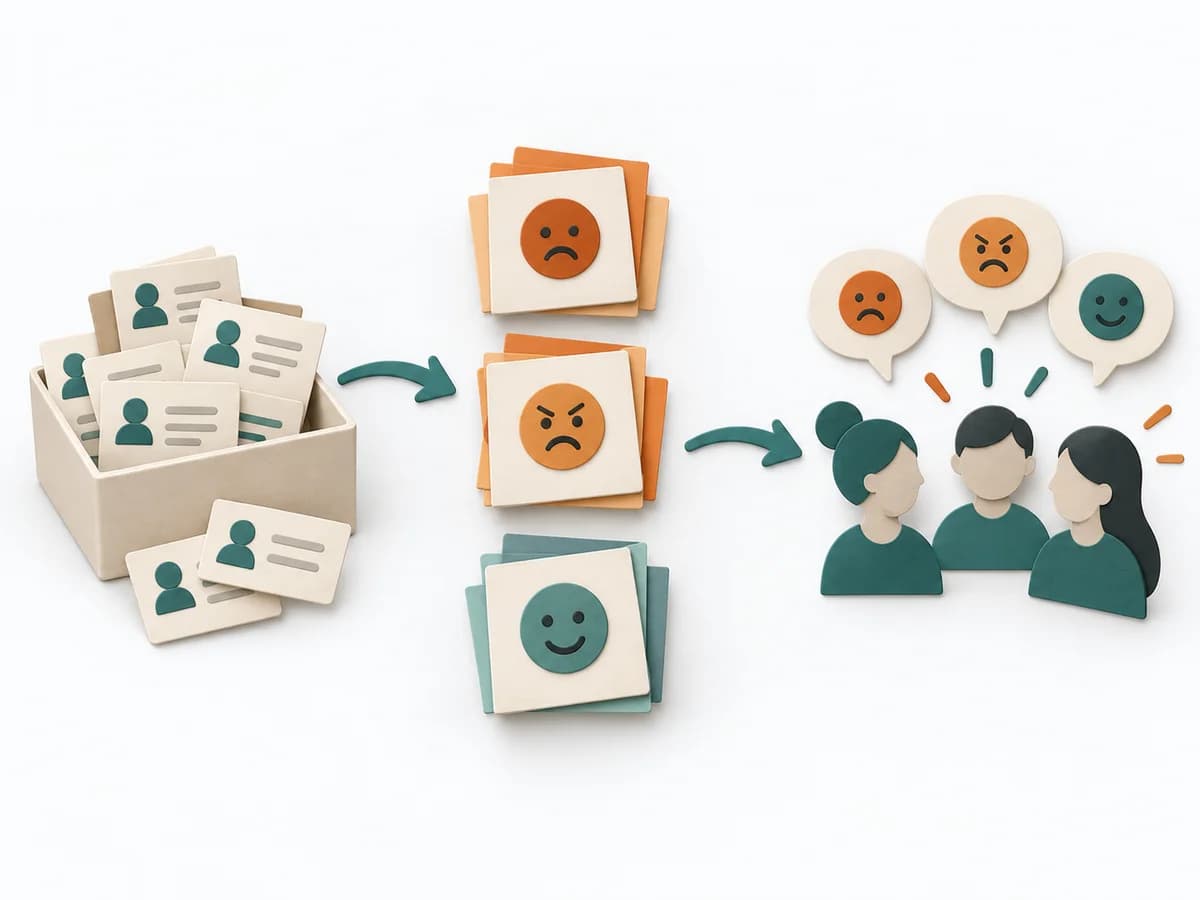 Agile Mad Sad Glad | 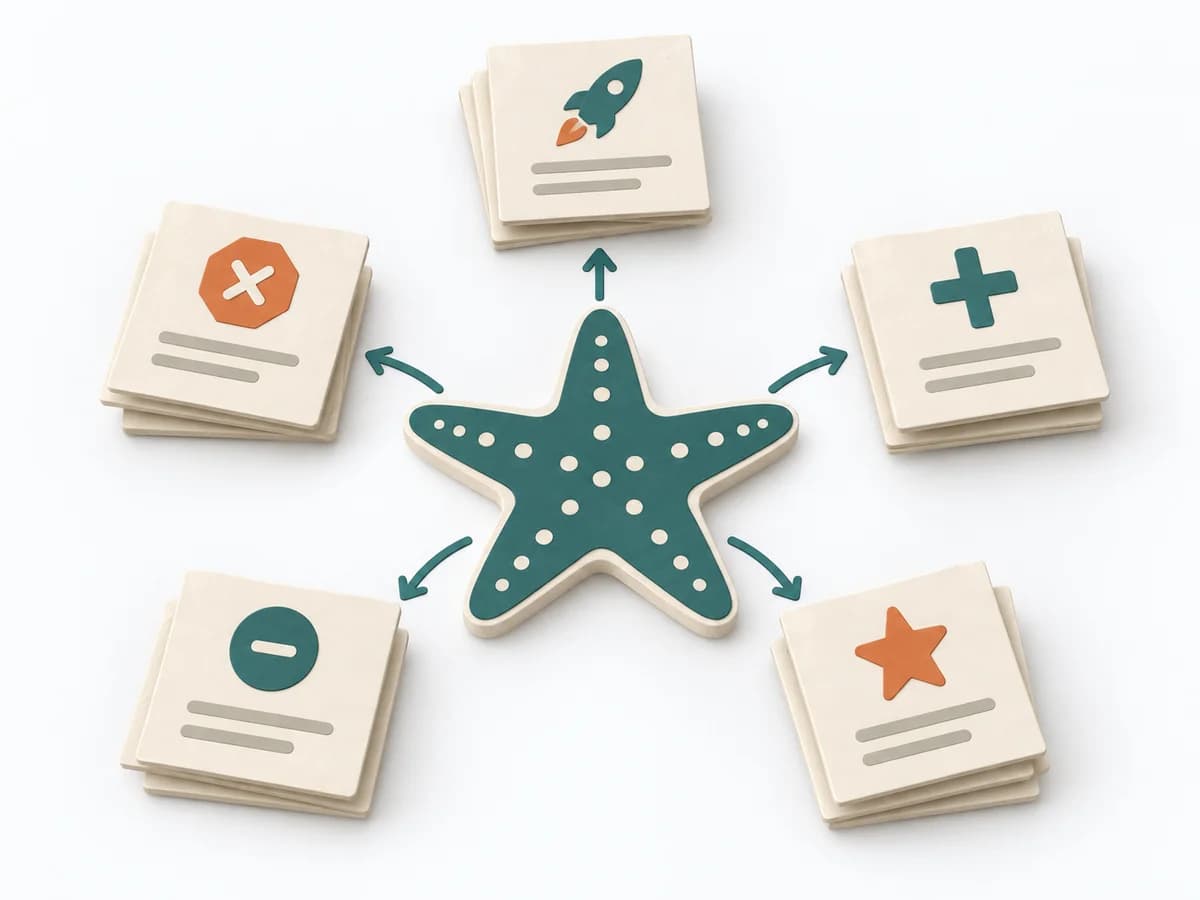 Agile Starfish Retrospective | 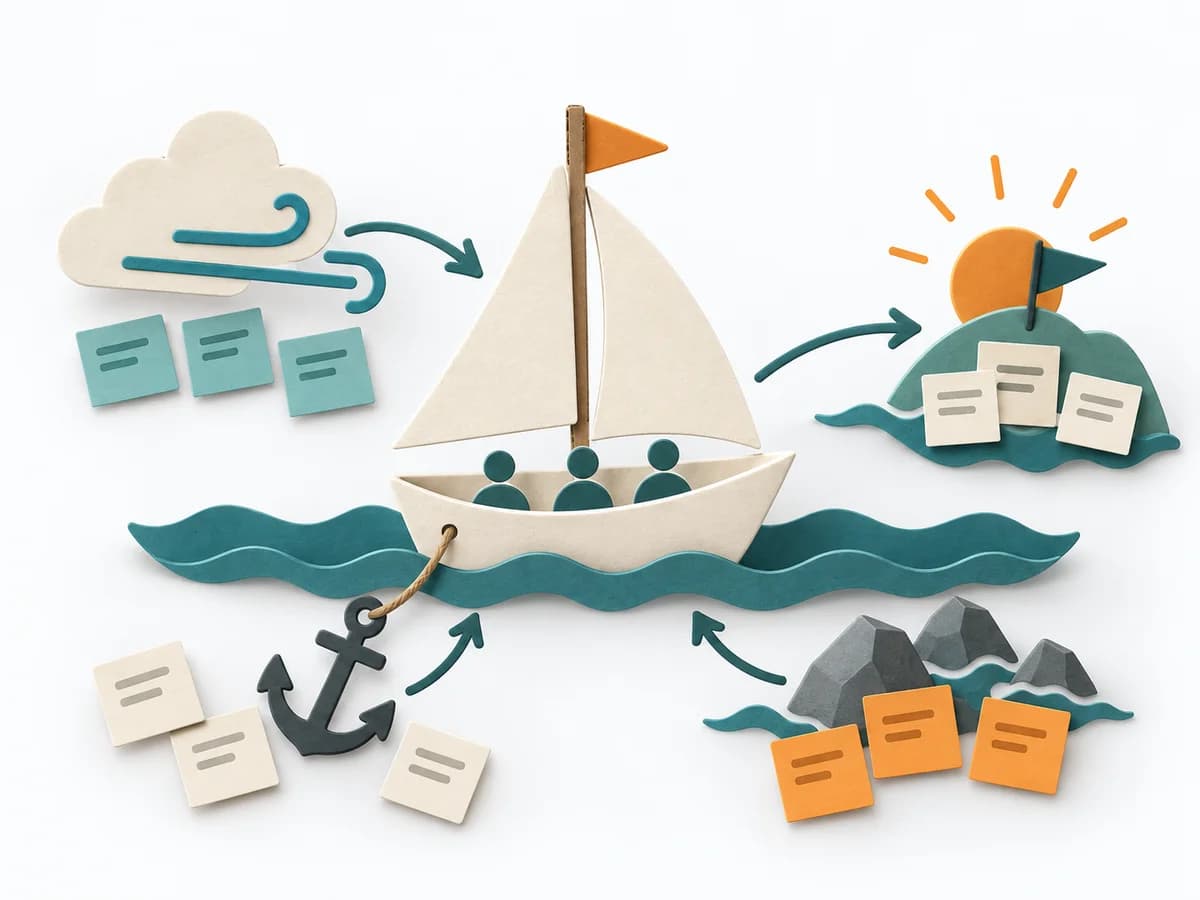 Agile Sailboat Retrospective | 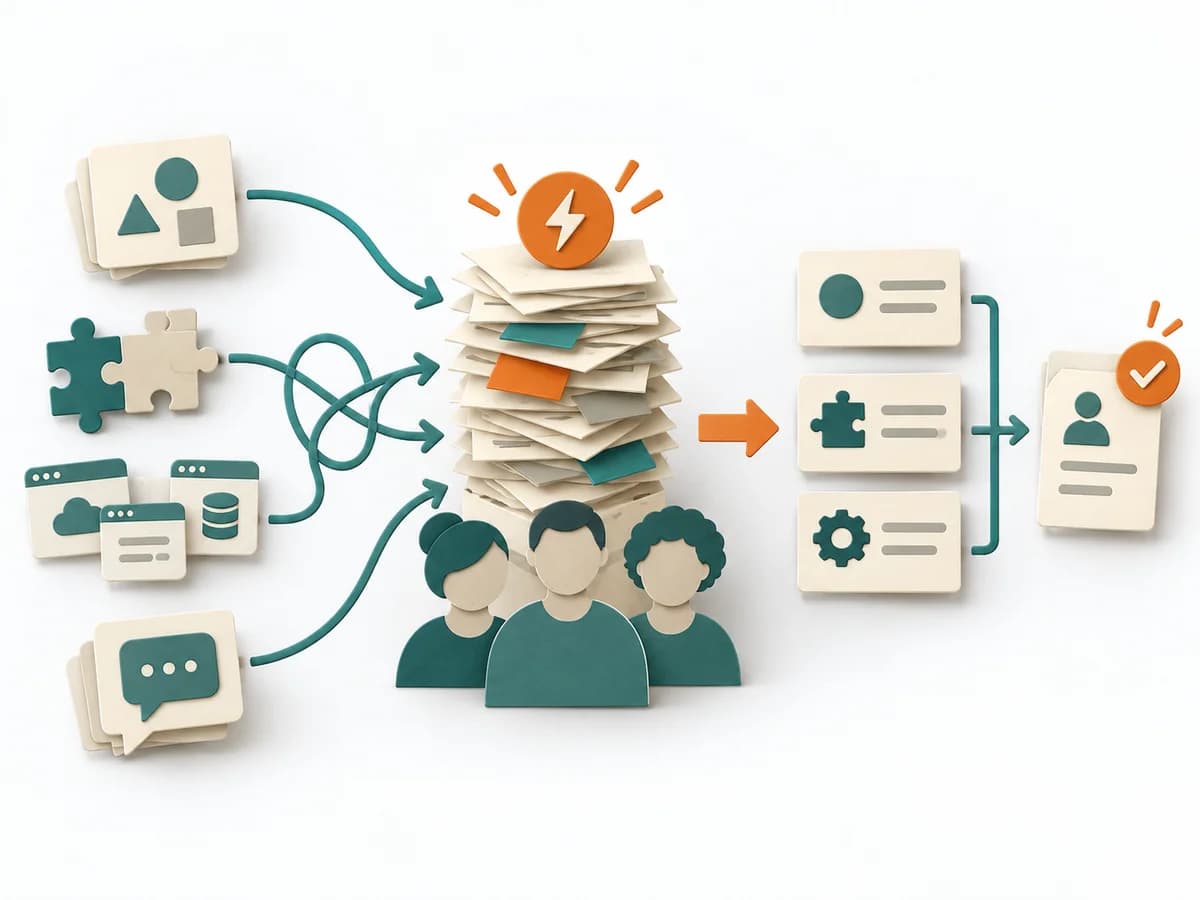 Team Design Team Cognitive Load Assessment |
|---|---|---|---|---|
Purposedifferent | When a team's or workshop's mood needs to become readable, it structures emotional signals with little setup. It makes strain, relief, and sources of energy tangible. | When improvement options need to be sorted more finely than just start and stop, it brings observations into clear kinds of action. This makes visible what should be done more, less, newly, or continued. | When a team wants to read momentum, brakes, and risks together, it offers an easily understandable picture of the situation. It makes drive, obstacles, and headwind visible in the same picture. | When a team juggles too many domains, systems, or handoffs, it measures mental overload as an organizational problem. It clarifies responsibility, interaction, and load between teams. The result is captured as a cognitive-load profile and action list. |
Complexitydifferent | Low | Low | Low | Medium |
Timedifferent | 30-60 min | 45-90 min | 45-90 min | 60-90 min |
Participantsdifferent | 3-10 | 4-12 | 4-12 | 3-12 |
Formatdifferent | Workshop | Workshop | Workshop | Workshop + async |
Outputdifferent | Emotion Board, Themes, Action Items | Starfish Board, Practice Changes, Experiments | Sailboat Board, Risks, Improvement Actions | Cognitive Load Profile, Action List |
Tags1 shared | RetrospectiveTeamReflection | RetrospectiveImprovementExperimentsTeam | RetrospectiveTeamImprovement | TeamComplexityImprovementDiagnosis |