View methods side by side.
Choose up to four methods. Add them using the search and share the comparison by copying its link.
Selected:Mad Sad GladSailboat RetrospectiveARID (Active Reviews for Intermediate Designs)Starfish Retrospective
| Criterion | 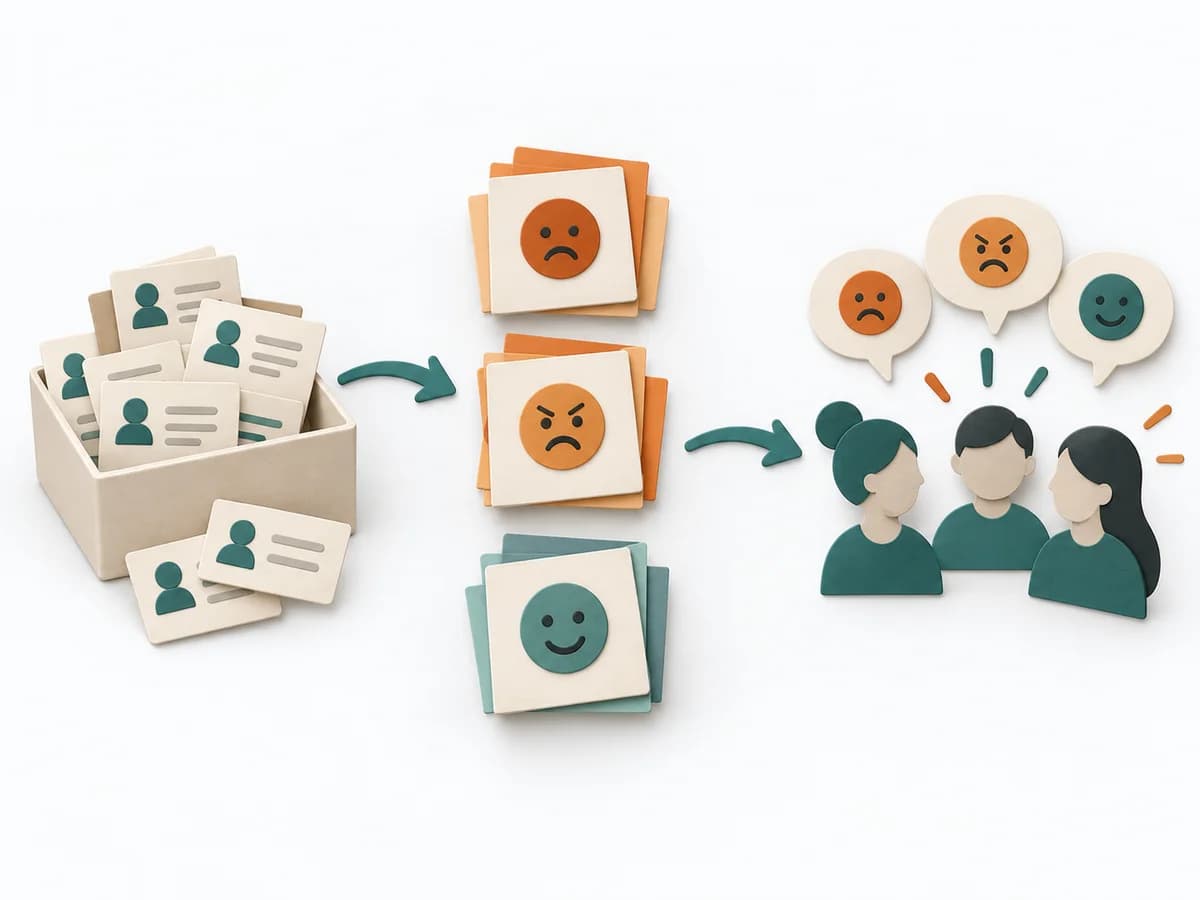 Agile Mad Sad Glad | 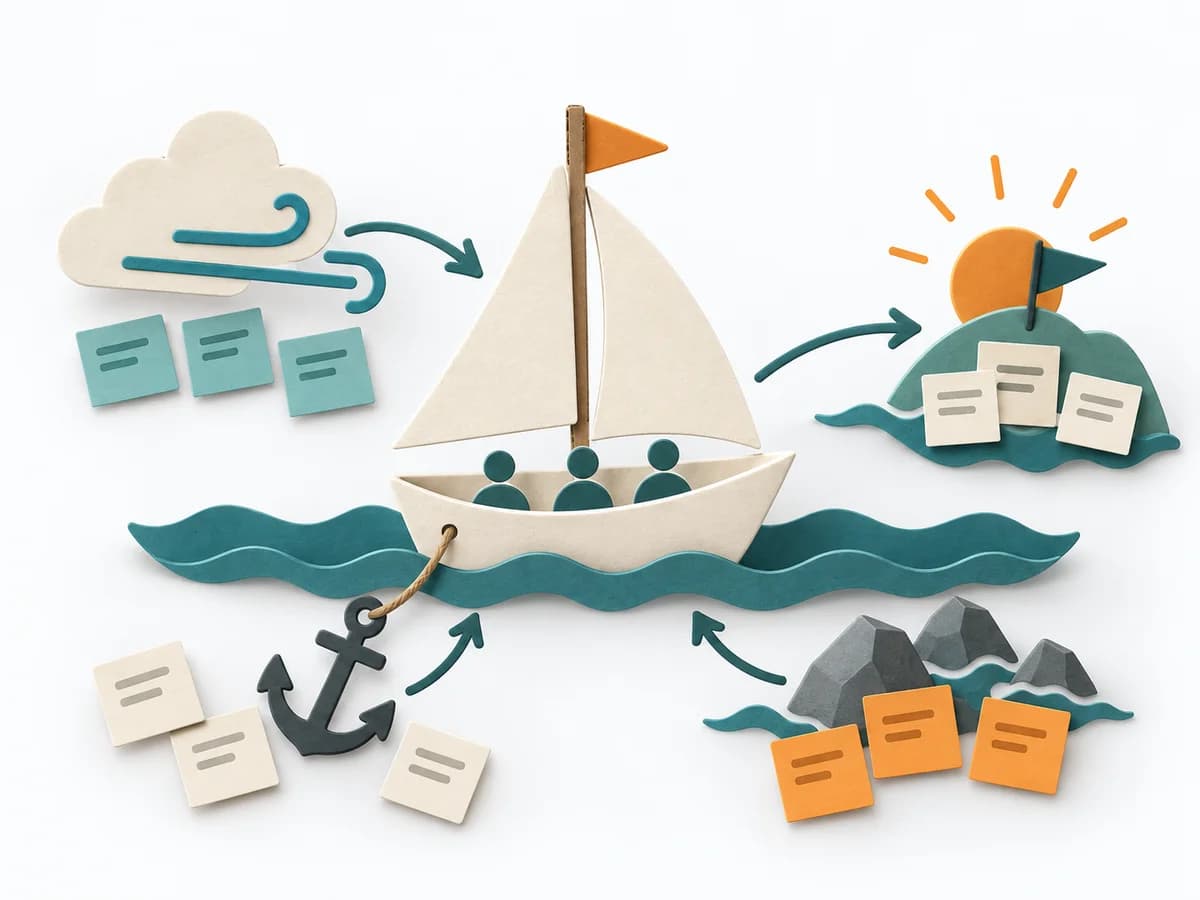 Agile Sailboat Retrospective |  Architecture ARID (Active Reviews for Intermediate Designs) | 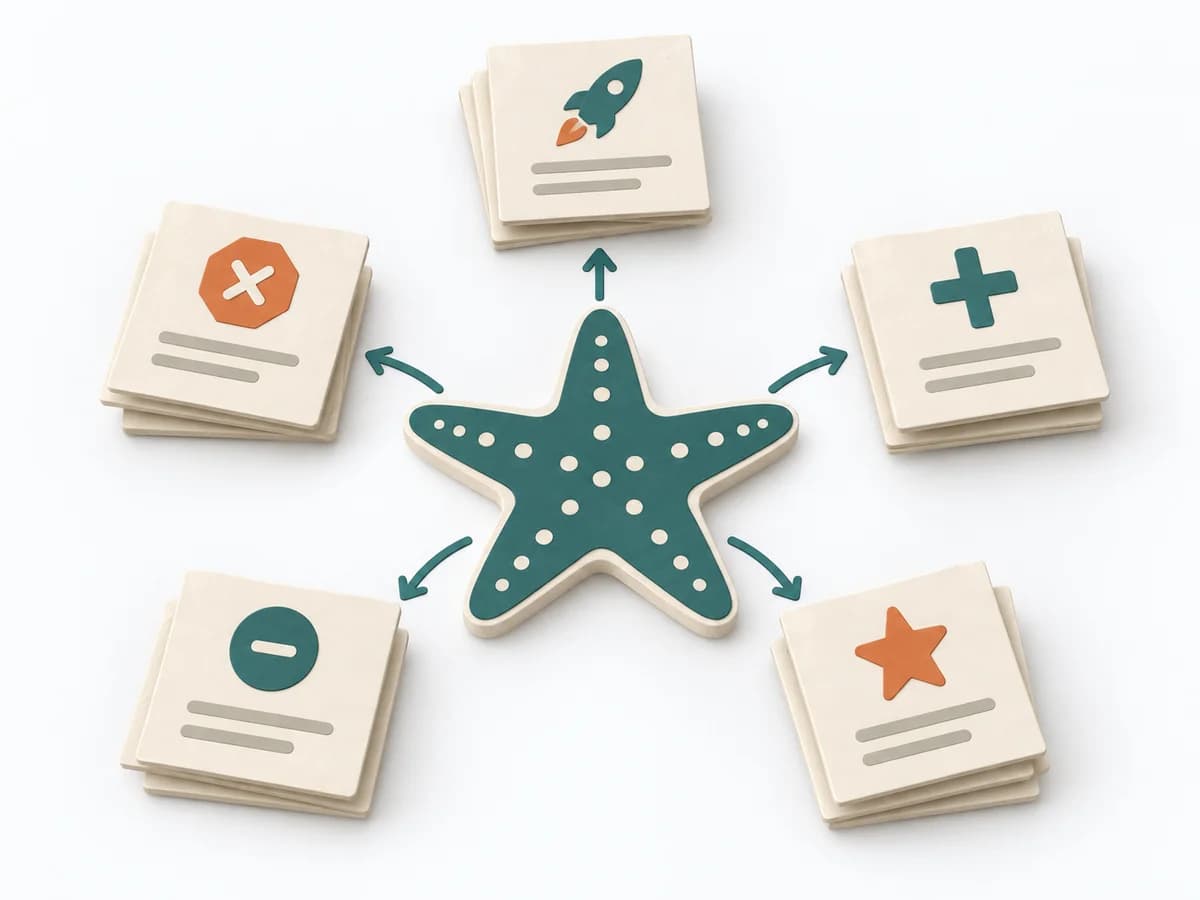 Agile Starfish Retrospective |
|---|---|---|---|---|
Purposedifferent | When a team's or workshop's mood needs to become readable, it structures emotional signals with little setup. It makes strain, relief, and sources of energy tangible. | When a team wants to read momentum, brakes, and risks together, it offers an easily understandable picture of the situation. It makes drive, obstacles, and headwind visible in the same picture. | ARID examines how well developers can work with a technical design. It focuses on a part of the system that can still be revised, between the architecture overview and the detailed specification. | When improvement options need to be sorted more finely than just start and stop, it brings observations into clear kinds of action. This makes visible what should be done more, less, newly, or continued. |
Complexitydifferent | Low | Low | Medium | Low |
Timedifferent | 30-60 min | 45-90 min | 2–4 h review as a planning range; preparation and evaluation additional | 45-90 min |
Participantsdifferent | 3-10 | 4-12 | Designers, developers as users, and facilitation | 4-12 |
Formatdifferent | Workshop | Workshop | Workshop + async | Workshop |
Outputdifferent | Emotion Board, Themes, Action Items | Sailboat Board, Risks, Improvement Actions | Prioritized development tasks, Jointly produced code or pseudocode, Observed difficulties and open design questions, Proposed design revisions | Starfish Board, Practice Changes, Experiments |
Tagsno overlap | RetrospectiveTeamReflection | RetrospectiveTeamImprovement | ArchitectureEngineeringFeedbackValidationTasks | RetrospectiveImprovementExperimentsTeam |