View methods side by side.
Choose up to four methods. Add them using the search and share the comparison by copying its link.
| Criterion | 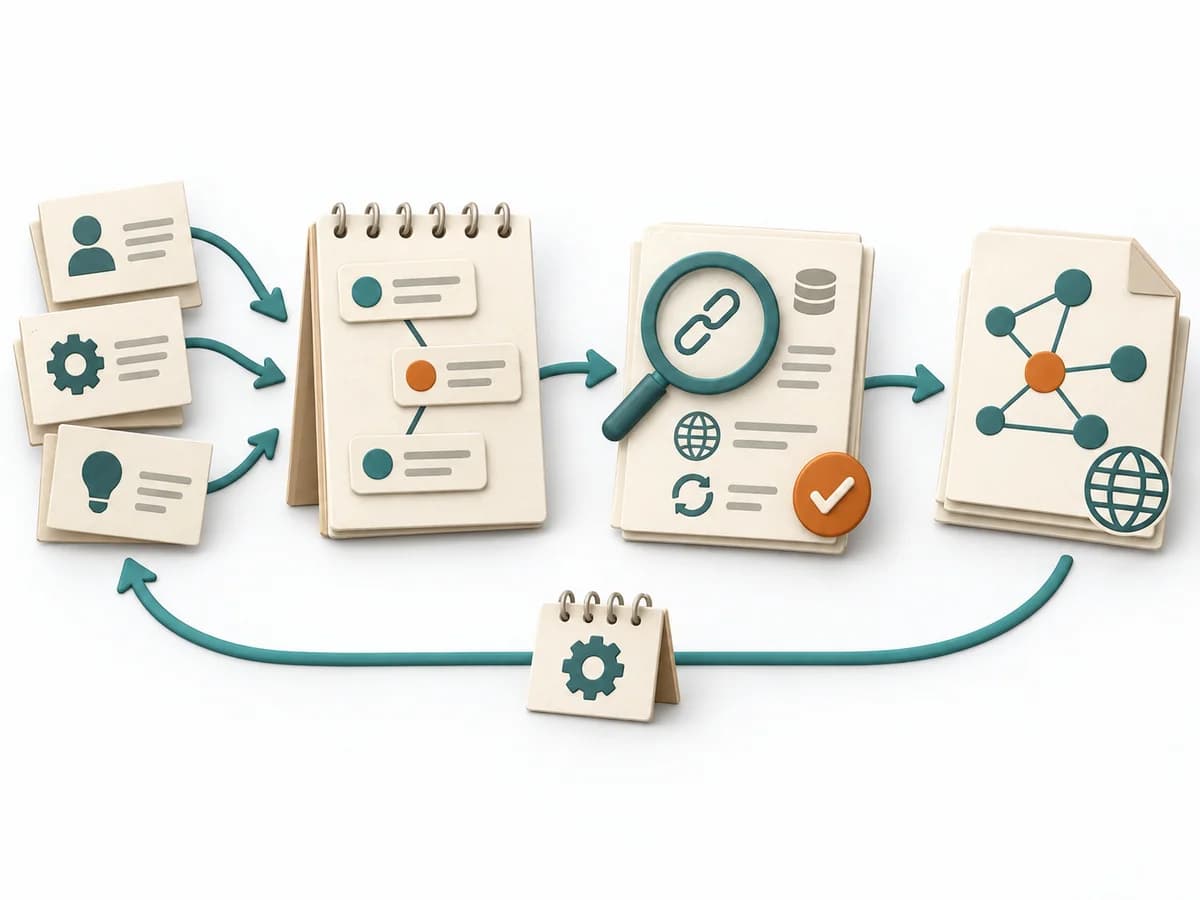 Knowledge Modeling Linked Open Terms |  Operations Change Analysis |  Systems Thinking Iceberg Model | 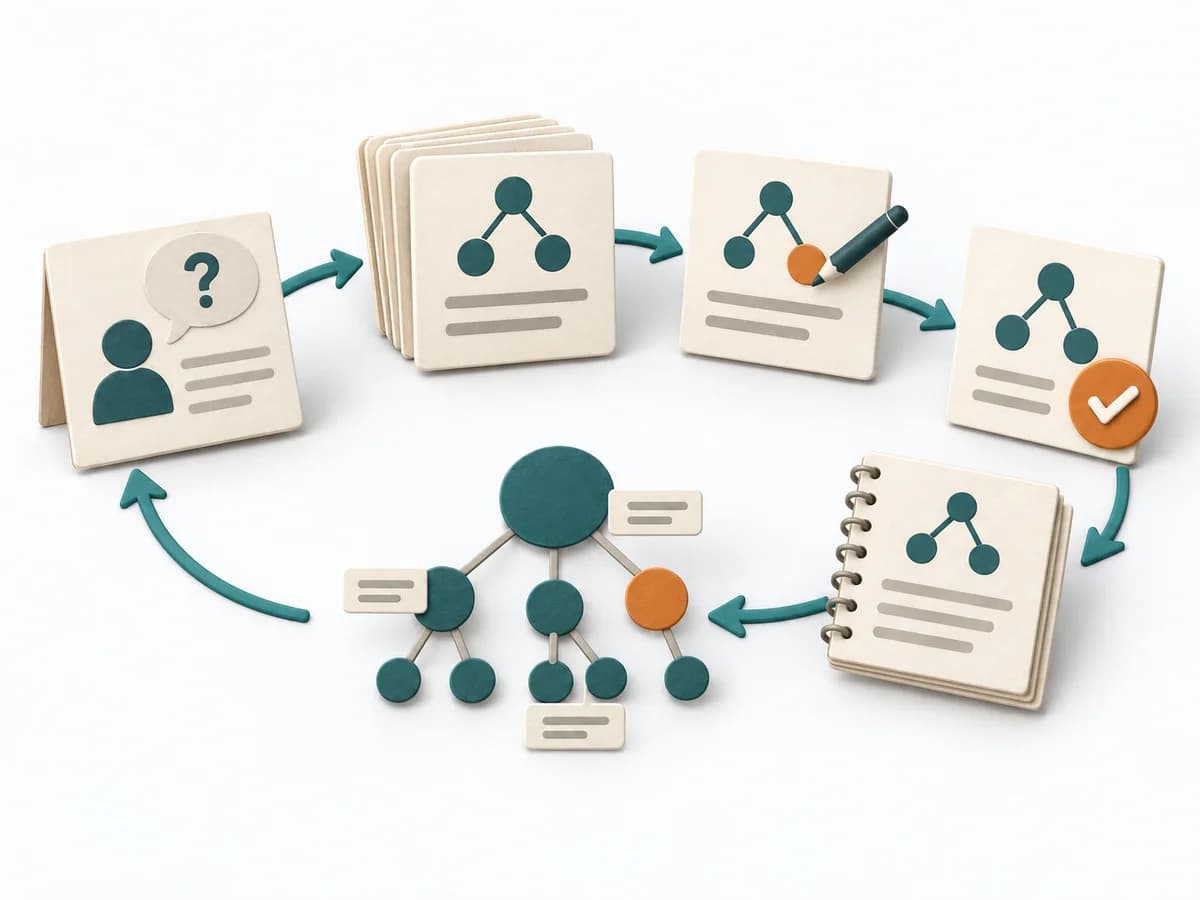 Knowledge Modeling Ontology Design Patterns |
|---|---|---|---|---|
Purposedifferent | Linked Open Terms connects terminology work with linked-data thinking and makes terminology technically connectable. Vocabulary, meanings, and references can thereby be maintained consistently. | For a deviation after a change, the method isolates the influence of the altered condition. It narrows down which differences are relevant and which are just accompanying noise. | The Iceberg Model separates visible events from patterns, structures, and mental models. This turns a single observation into a deeper understanding of why a problem keeps recurring. | Ontology Design Patterns provide reusable building blocks for recurring modeling problems. The method brings structure to the search for clean concepts, relationships, and roles. |
Complexitydifferent | Medium | Medium | Low | Medium |
Timedifferent | Wochen bis Monate | 45-120 min | 30-60 min | 1-3 h pro Pattern |
Participantsdifferent | 2-8 | 2-6 | 2-10 | 1-6 |
Formatsame | Workshop + async | Workshop + async | Workshop + async | Workshop + async |
Outputdifferent | Ontology Requirements, Conceptual Model, Published Ontology, Documentation, Maintenance Plan | Change Matrix, Cause Hypotheses, Validation Questions, Action List | Iceberg Worksheet, Pattern Notes, Intervention Ideas | Selected Patterns, Adapted Schema Fragments, Pattern Documentation |
Tagsno overlap | OntologyMethodologyAgileSemantic | ChangeRoot causeTroubleshootingComparison | Systems thinkingRoot causePatterns | OntologyPatternsReuseSemanticModeling |