View methods side by side.
Choose up to four methods. Add them using the search and share the comparison by copying its link.
| Criterion |  Systems Thinking Leverage Points | 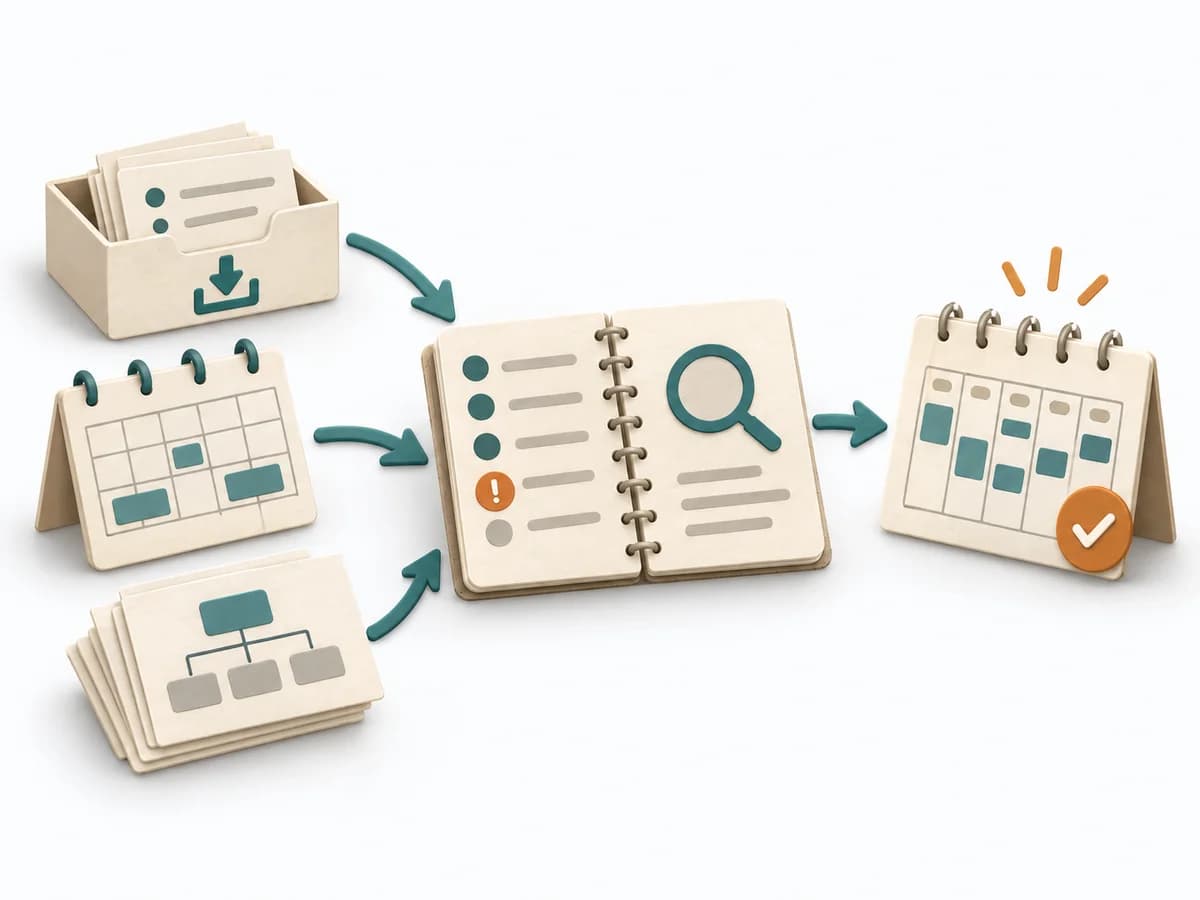 Operations Weekly Review | 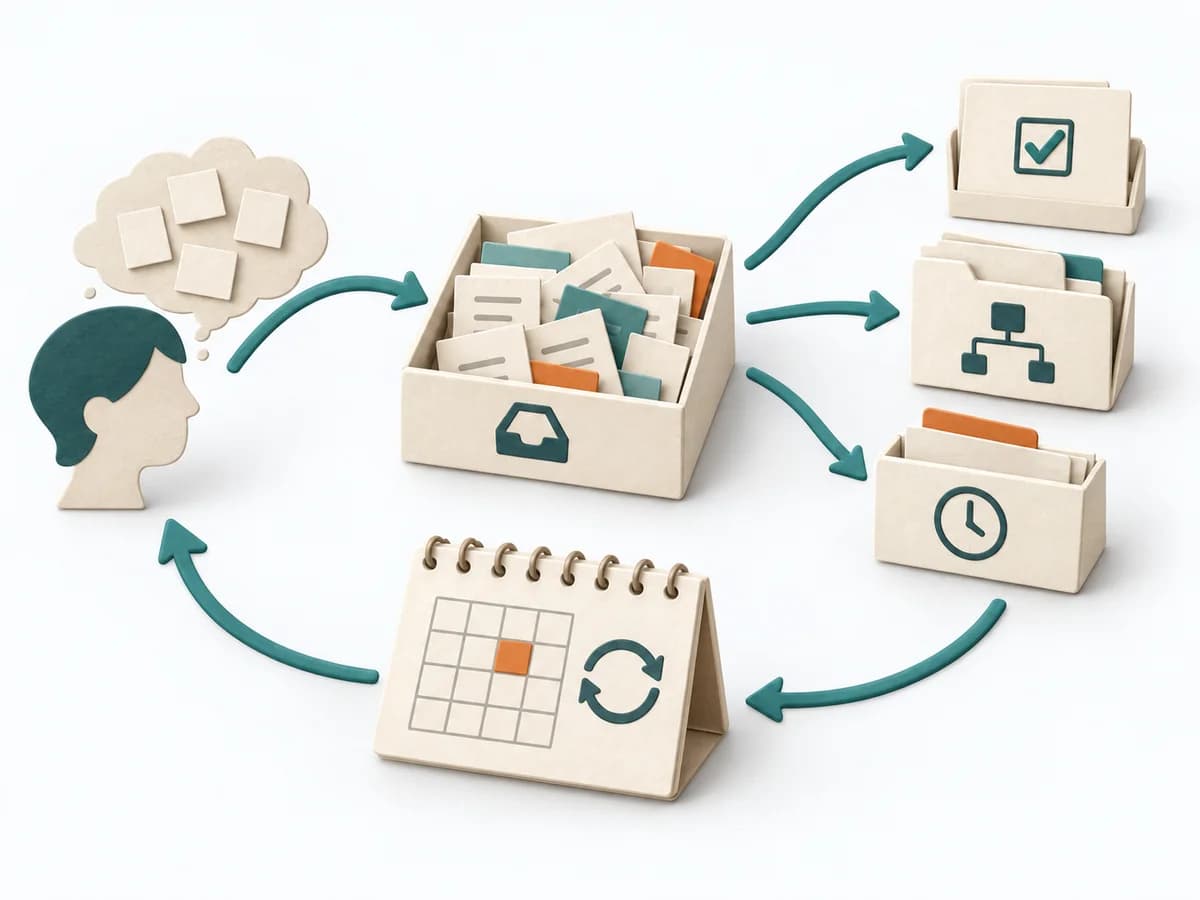 Operations Getting Things Done |  Decision Making Force Field Analysis |
|---|---|---|---|---|
Purposedifferent | Leverage Points show exactly where interventions in a system produce a disproportionate effect. It draws relationships, patterns, and feedback loops. The result is captured as a leverage map and action strategy. | In a week with many open loops, the method creates distance from operational noise. It organizes commitments, calendar, and projects so the next week becomes workable. | With many open commitments and ideas in daily life, a reliable external storage system emerges. The method relieves the mind so priority and context don't have to compete in memory. | In change initiatives, supporting and restraining forces sit at the table at the same time. Force Field Analysis makes these tensions explicit and shows where change can be pushed forward by strengthening or relieving. |
Complexitydifferent | High | Low | Medium | Low |
Timedifferent | Half day | 30-60 min | 1-2 h Setup, laufend | 45-90 min |
Participantsdifferent | 3-12 | 1 | 1 | 3-12 |
Formatdifferent | Workshop | Async | Async | Workshop |
Outputdifferent | Leverage Map, Action Strategy | Updated Task System, Weekly Focus, Next Actions | Action Lists, Project List, Review Routine | Force Field Map, Change Levers, Risk Notes |
Tagsno overlap | Systems thinkingChangeStrategy | ProductivityExecutionPlanning | ProductivityPlanningTasksExecution | ChangeDecisionStrategy |