View methods side by side.
Choose up to four methods. Add them using the search and share the comparison by copying its link.
| Criterion |  Systems Thinking Leverage Points | 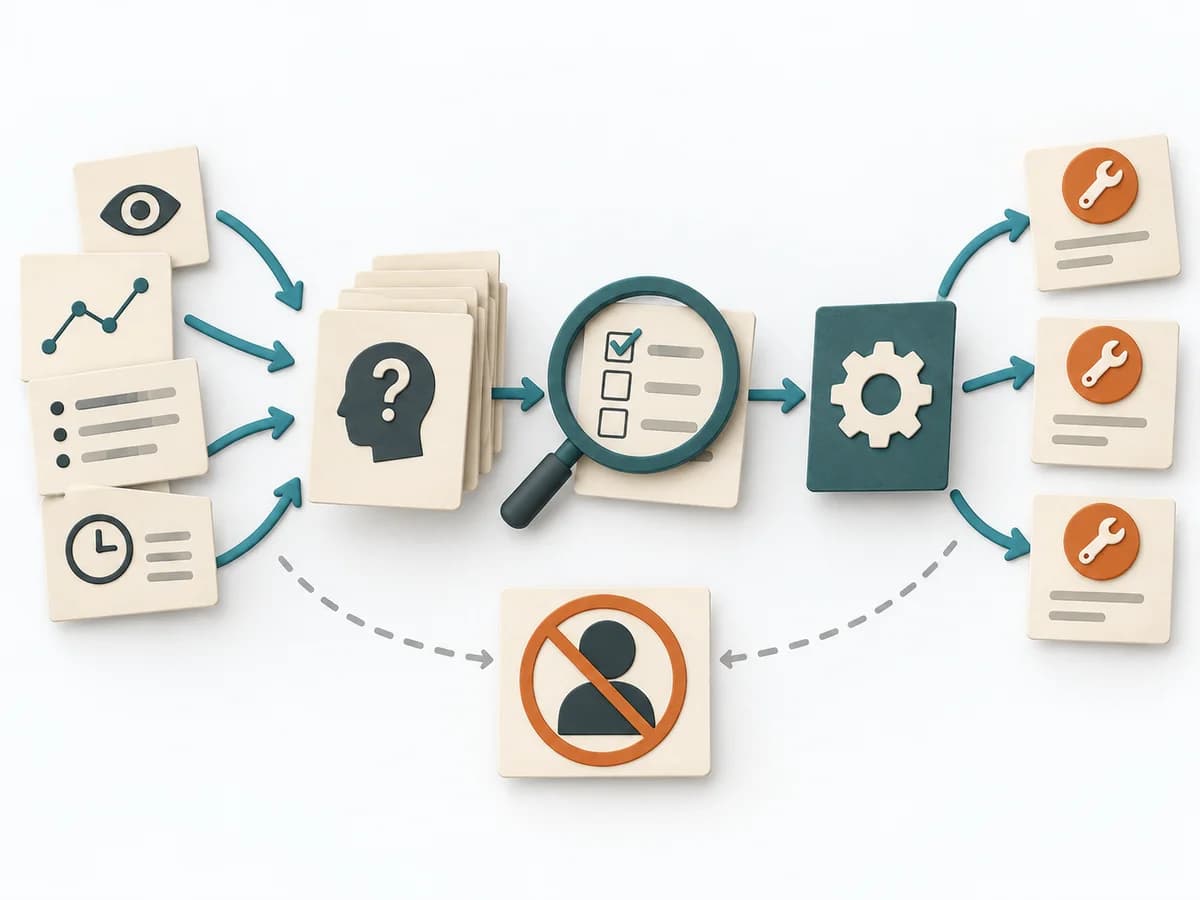 Operations Root Cause Analysis |  Systems Thinking Systems Mapping | 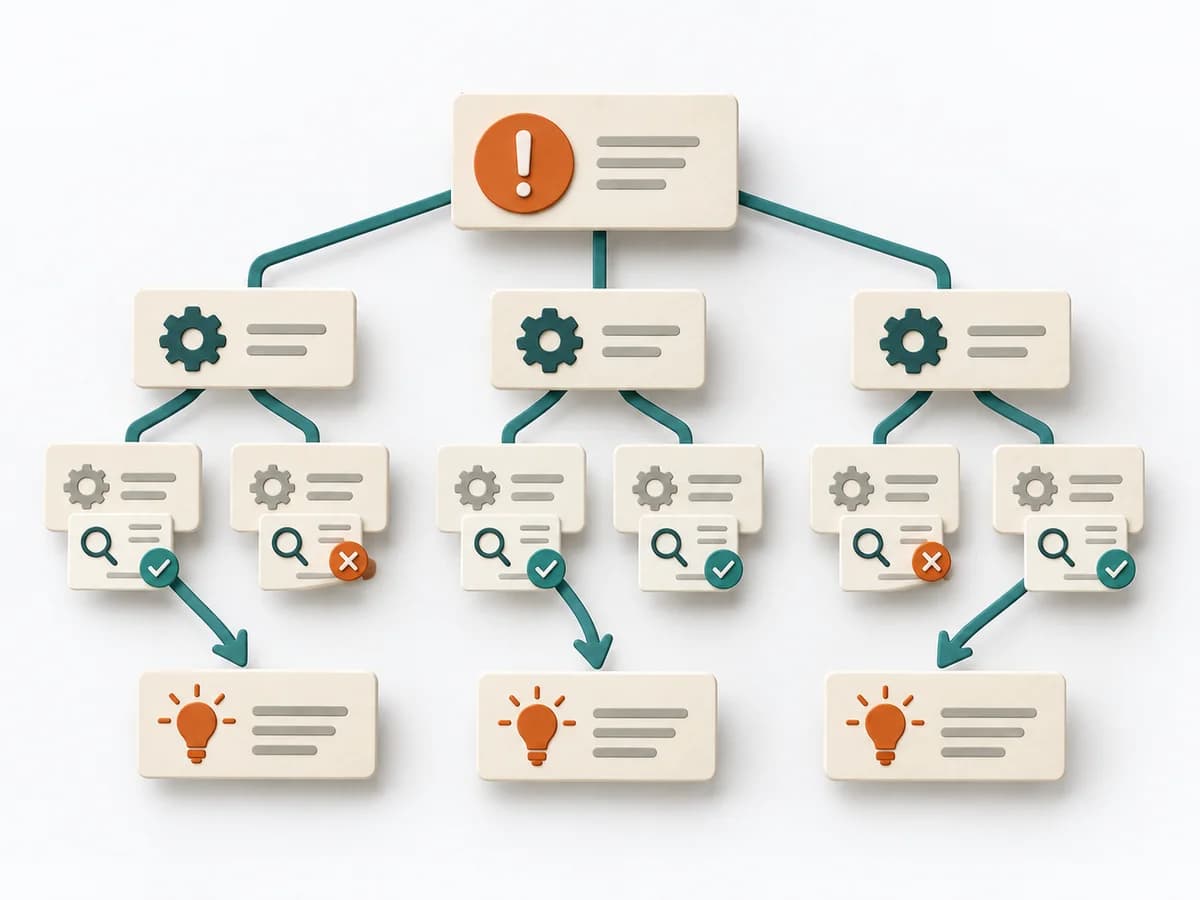 Operations Root Cause Tree Analysis |
|---|---|---|---|---|
Purposedifferent | Leverage Points show exactly where interventions in a system produce a disproportionate effect. It draws relationships, patterns, and feedback loops. The result is captured as a leverage map and action strategy. | When a problem keeps recurring and the cause stays unclear, the method exposes the underlying mechanism. It separates symptom, guess, and robust explanation from one another. | Systems Mapping arranges elements, relationships, and boundaries so a complex field becomes legible at a glance. The overview stabilizes the overall picture before detail work or steering begins. | For a problem with several suspected causes, the method builds a causal structure instead of a mere list. It makes visible how causes connect and where the strongest points of leverage lie. |
Complexitydifferent | High | Medium | Medium | Medium |
Timedifferent | Half day | 1-4 h | 1-3 h | 1-3 h |
Participantsdifferent | 3-12 | 3-8 | 3-12 | 2-8 |
Formatdifferent | Workshop | Workshop + async | Workshop + async | Workshop |
Outputdifferent | Leverage Map, Action Strategy | Problem Statement, Cause Hypotheses, Confirmed Causes, Action Plan | System Map, Dependencies, Leverage Points | Cause Tree, Evidence Notes, Countermeasures |
Tagsno overlap | Systems thinkingChangeStrategy | Root causeProblem solvingQualityIncident | Systems thinkingMappingBoundariesChange | Root causeTreeIncidentQuality |