View methods side by side.
Choose up to four methods. Add them using the search and share the comparison by copying its link.
| Criterion |  Systems Thinking Leverage Points | 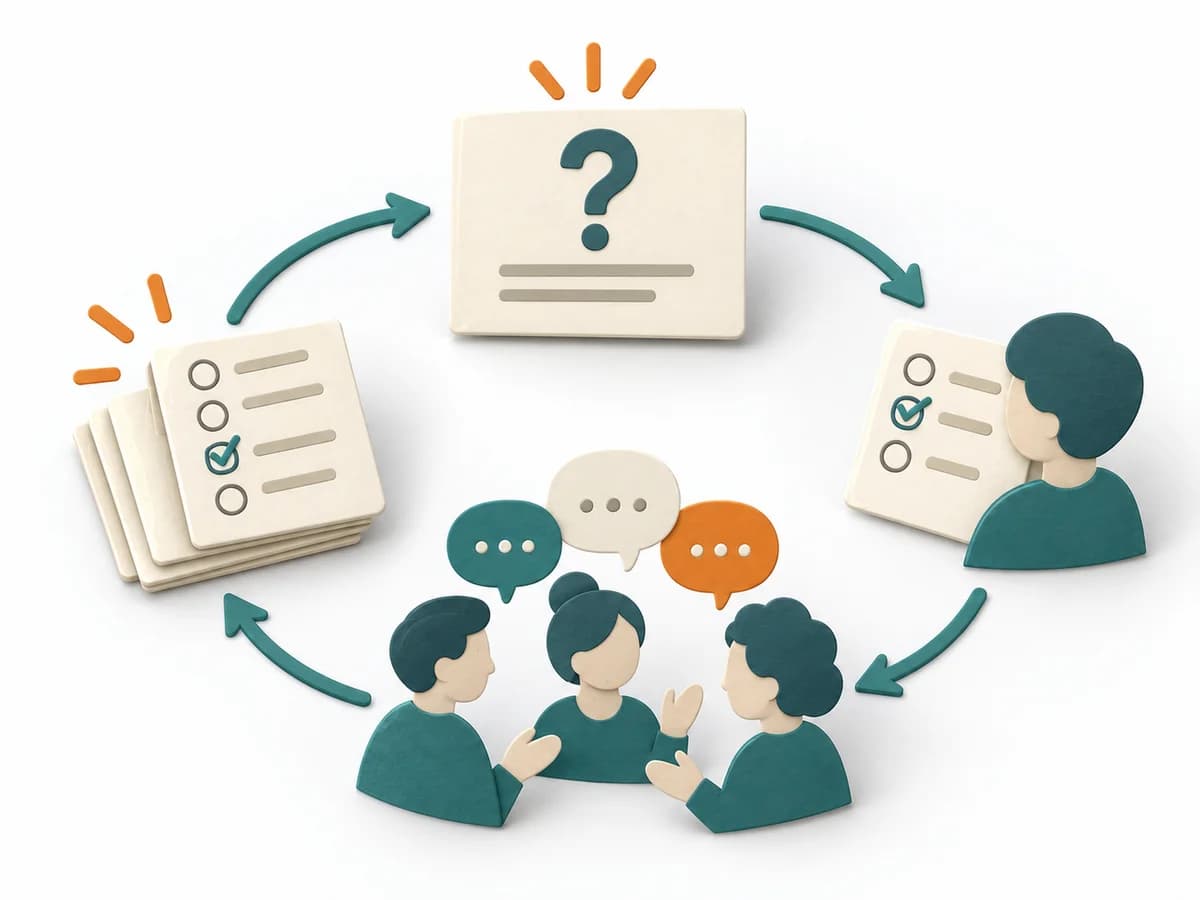 Knowledge Modeling Peer Instruction | 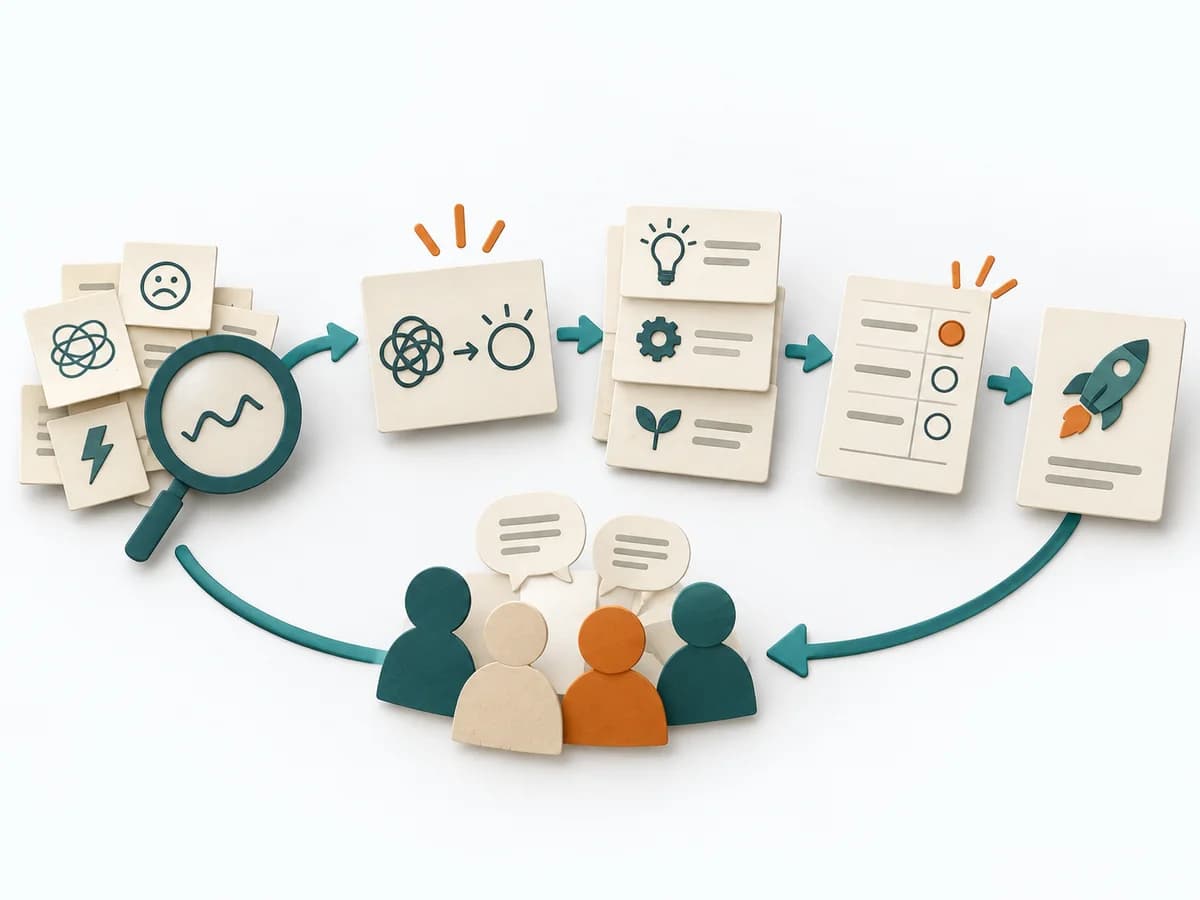 Facilitation Decision Jam |  Decision Making Force Field Analysis |
|---|---|---|---|---|
Purposedifferent | Leverage Points show exactly where interventions in a system produce a disproportionate effect. It draws relationships, patterns, and feedback loops. The result is captured as a leverage map and action strategy. | Peer Instruction uses group thinking to clarify difficult terms or concepts faster. The method combines individual reflection with social correction and shared precision. | When a decision is stuck, Decision Jam loosens the knot through structured separation of problem, idea, and selection. The format creates movement without jumping prematurely at the first seemingly elegant answer. | In change initiatives, supporting and restraining forces sit at the table at the same time. Force Field Analysis makes these tensions explicit and shows where change can be pushed forward by strengthening or relieving. |
Complexitydifferent | High | Medium | Low | Low |
Timedifferent | Half day | 10-20 min je Frage | 60-90 min | 45-90 min |
Participantsdifferent | 3-12 | 6-50 | 4-10 | 3-12 |
Formatsame | Workshop | Workshop | Workshop | Workshop |
Outputdifferent | Leverage Map, Action Strategy | Concept Questions, Vote Results, Learning Notes | Problem Cluster, Prioritized Challenge, Experiment | Force Field Map, Change Levers, Risk Notes |
Tagsno overlap | Systems thinkingChangeStrategy | LearningDialogueFacilitation | FacilitationDecisionProblem solvingWorkshop | ChangeDecisionStrategy |