View methods side by side.
Choose up to four methods. Add them using the search and share the comparison by copying its link.
| Criterion |  Systems Thinking Leverage Points | 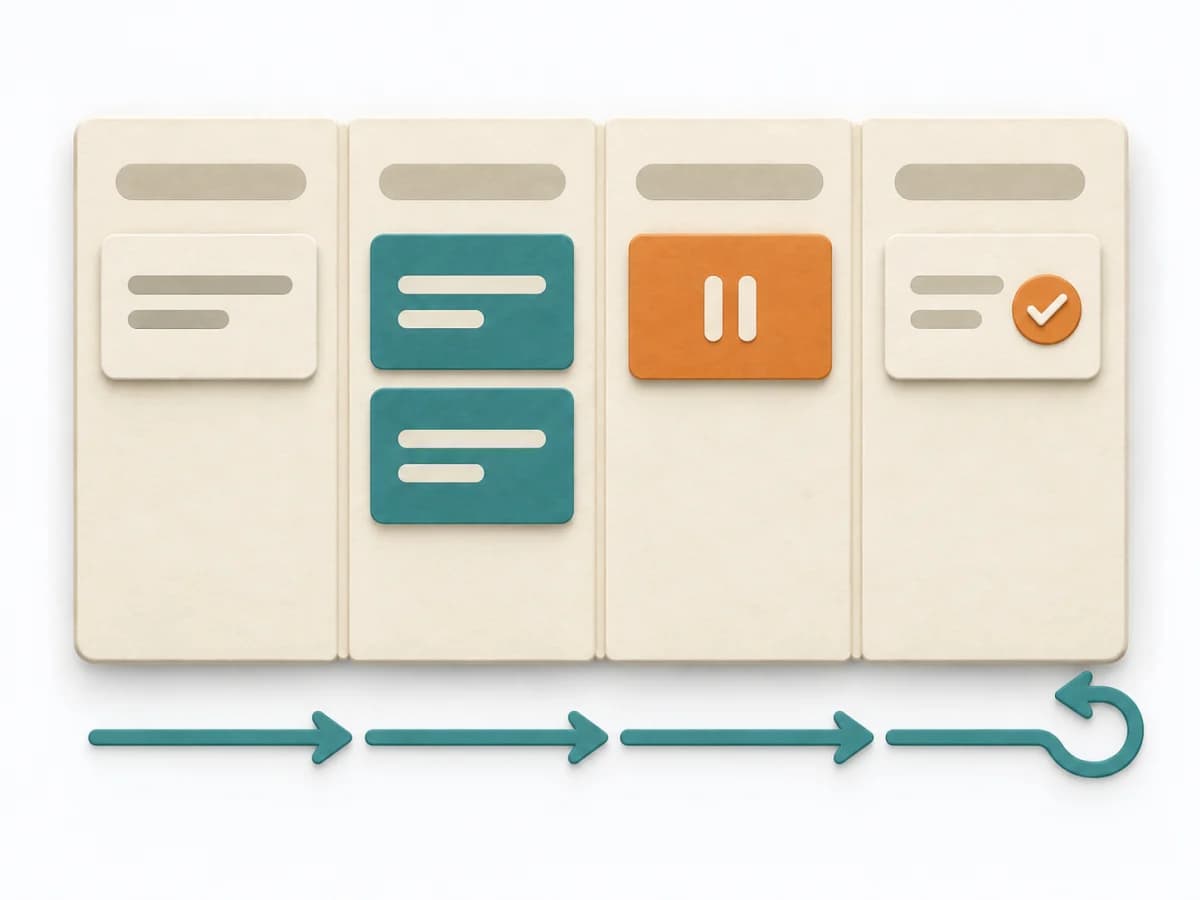 Engineering Kanban |  Decision Making Assumption Surfacing | 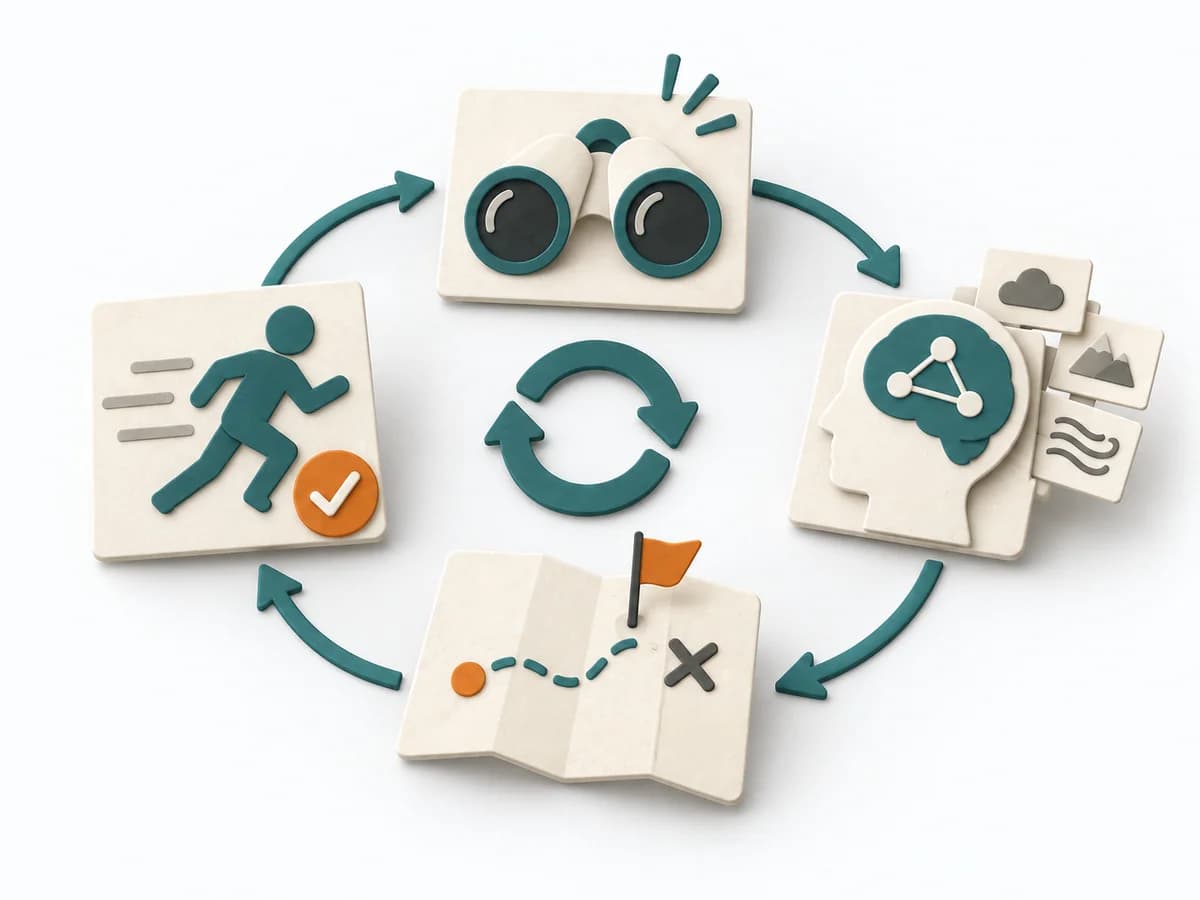 Decision Making OODA Loop |
|---|---|---|---|---|
Purposedifferent | Leverage Points show exactly where interventions in a system produce a disproportionate effect. It draws relationships, patterns, and feedback loops. The result is captured as a leverage map and action strategy. | When work sits in too many parallel streams, throughput suffers and no one sees the bottlenecks. Kanban makes the flow of work visible and limits overload so a system becomes calmer and more predictable. | Plans often contain assumptions that were never openly stated and remain dangerous precisely because of that. Assumption Surfacing makes these silent premises visible and prioritizes which of them carry the initiative or could sink it. | In dynamic situations, decisions become outdated faster than they can be prepared. The OODA Loop holds observing, orienting, deciding, and acting together as a recurring rhythm so reaction does not slide into inertia. |
Complexitydifferent | High | Medium | Low | Medium |
Timedifferent | Half day | Ongoing | 45-90 min | 15-60 min je Zyklus |
Participantsdifferent | 3-12 | 2-12 | 2-8 | 1-8 |
Formatdifferent | Workshop | Workshop + async | Workshop + async | Workshop + async |
Outputdifferent | Leverage Map, Action Strategy | Kanban board, WIP policies, Flow metrics | Assumption List, Critical Assumptions, Learning Plan | Situation Assessment, Decision Loop, Action Updates |
Tagsno overlap | Systems thinkingChangeStrategy | FlowVisual managementDelivery | AssumptionsRiskDecisionDiscovery | DecisionChangeLearningStrategy |