View methods side by side.
Choose up to four methods. Add them using the search and share the comparison by copying its link.
| Criterion |  Systems Thinking Leverage Points |  Decision Making Delphi Method | 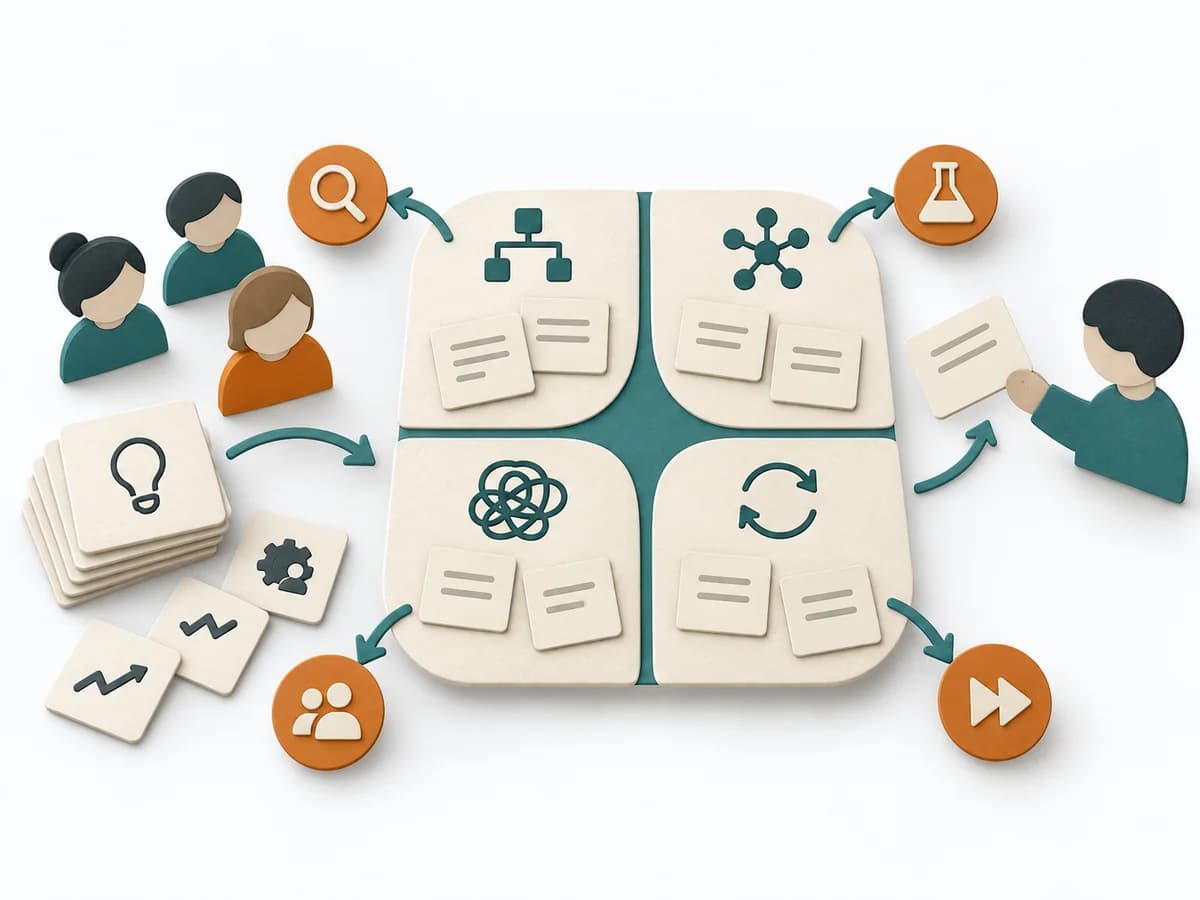 Decision Making Cynefin Workshop | 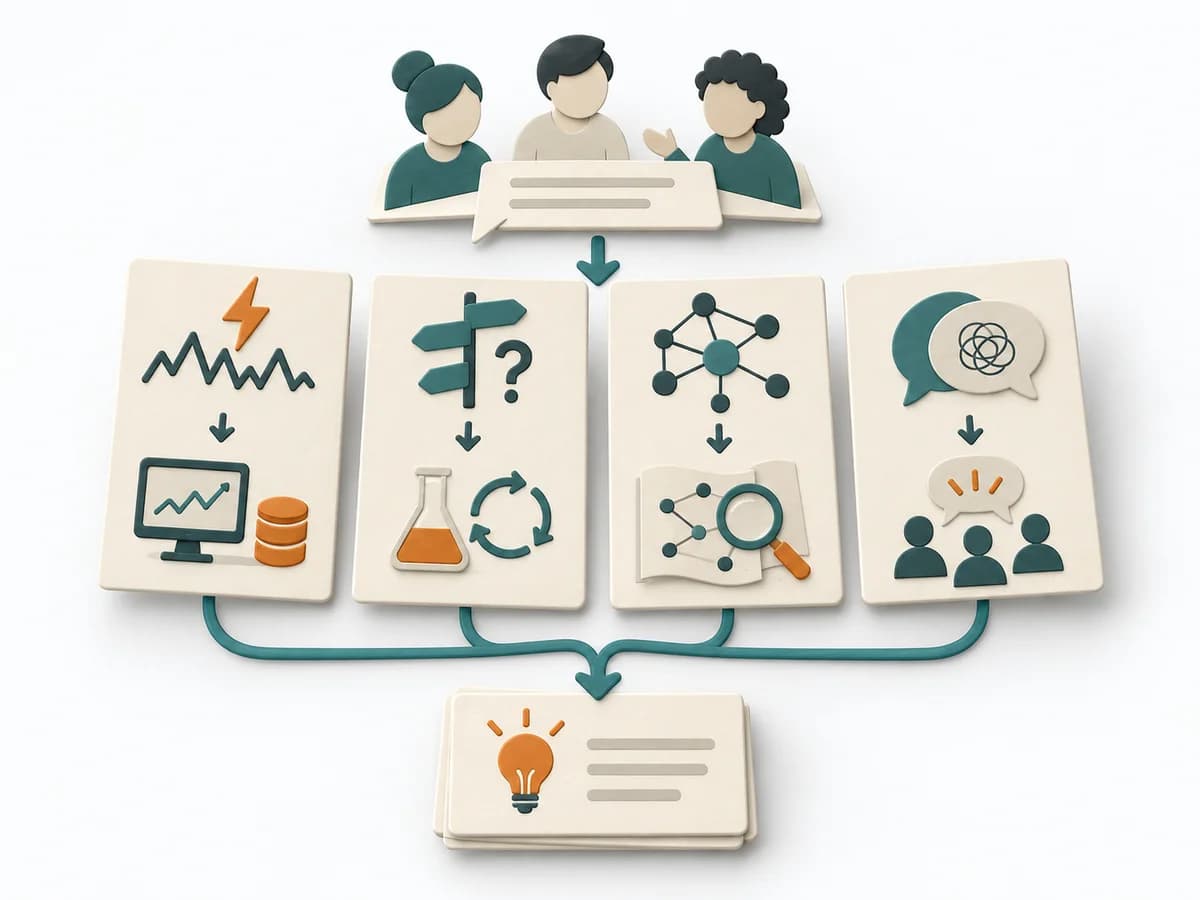 Systems Thinking VUCA Scan |
|---|---|---|---|---|
Purposedifferent | Leverage Points show exactly where interventions in a system produce a disproportionate effect. It draws relationships, patterns, and feedback loops. The result is captured as a leverage map and action strategy. | When knowledge is distributed and direct dominance should be avoided, groups quickly fall under the sway of their opinion leaders. The Delphi Method gathers assessments iteratively and gradually brings expert judgments closer together. | When problems are unclear, chaotic, or only seemingly familiar, standard recipes fall short. A Cynefin Workshop sorts situations by the nature of their problem and connects them with matching action logic. | The VUCA Scan helps read difficult situations more precisely. Instead of treating unclarity as generally complicated, the method separates fast change, missing knowledge, systemic entanglement, and ambiguous interpretation. |
Complexitydifferent | High | High | Medium | Low |
Timedifferent | Half day | 1-4 Wochen | 60-180 min | 30-90 min |
Participantsdifferent | 3-12 | 6-30 Experten | 4-20 | 1-10 |
Formatdifferent | Workshop | Async | Workshop | Workshop + async |
Outputdifferent | Leverage Map, Action Strategy | Expert Forecast, Consensus Range, Assumption Notes | Cynefin Map, Domain-specific Actions, Sensemaking Notes | VUCA Map, Response Options, Signal and Learning Plan |
Tagsno overlap | Systems thinkingChangeStrategy | ForecastingExpertsDecisionStrategy | ComplexitySensemakingDecision | SensemakingUncertaintyComplexityStrategyForesight |