View methods side by side.
Choose up to four methods. Add them using the search and share the comparison by copying its link.
| Criterion |  Systems Thinking Leverage Points | 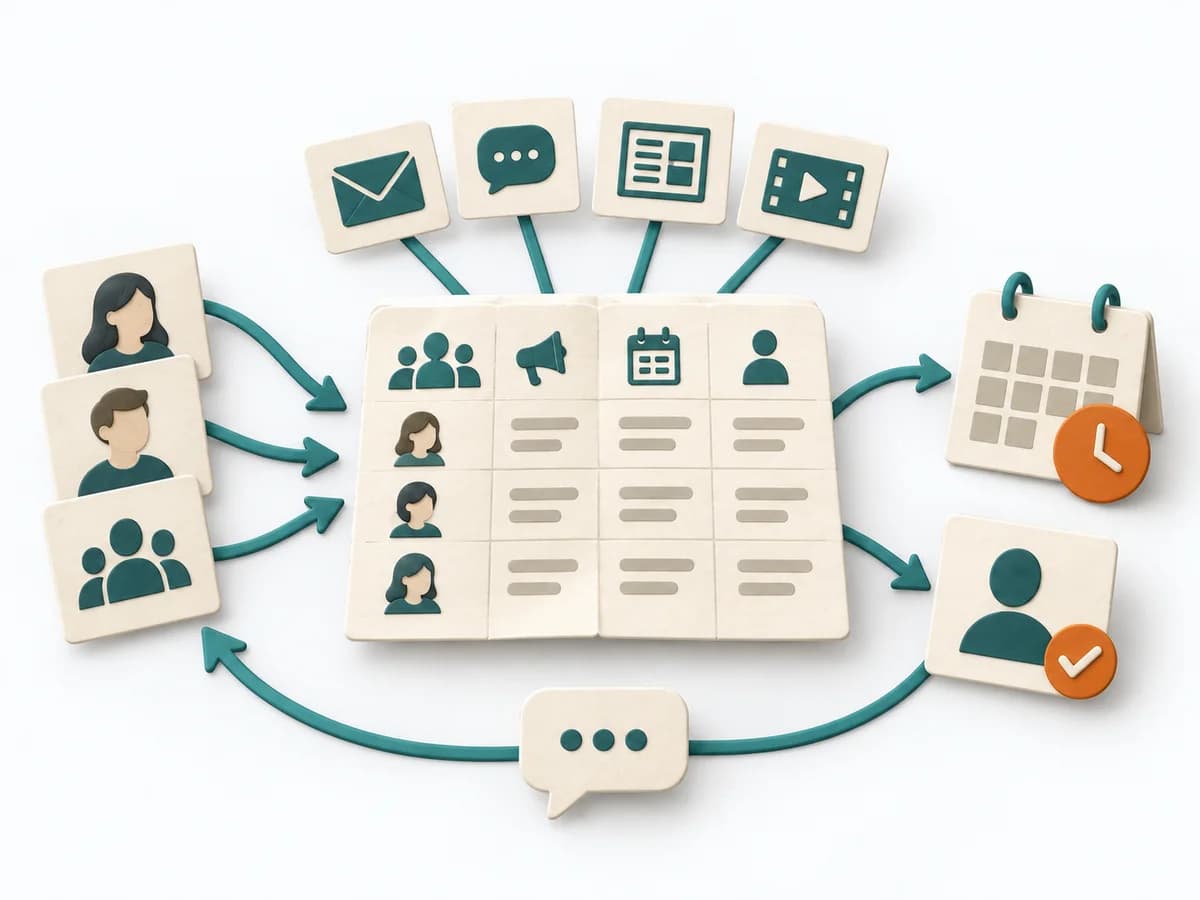 Delivery Communication Plan |  Facilitation Expectation Mapping |  Facilitation Stakeholder Mapping |
|---|---|---|---|---|
Purposedifferent | Leverage Points show exactly where interventions in a system produce a disproportionate effect. It draws relationships, patterns, and feedback loops. The result is captured as a leverage map and action strategy. | When many people need to be informed in parallel and messages would otherwise arrive unevenly or too late, a Communication Plan orders communication reliably. Channels, audiences, and cadences interlock so important information doesn't get lost. | When roles, interfaces, or projects fail because of differing expectations, Expectation Mapping surfaces these differences. It shows what each side takes for granted and where the pictures diverge. | When an initiative depends on many people, interests, and power dynamics, Stakeholder Mapping systematically orders the environment. It shows who influences, who is affected, and where relationship management or safeguarding matters first. |
Complexitydifferent | High | Low | Low | Low |
Timedifferent | Half day | 45-90 min | 45-90 min | 60–90 min |
Participantsdifferent | 3-12 | 2-6 | 3-12 | 2-8 |
Formatdifferent | Workshop | Workshop + async | Workshop | Workshop + async |
Outputdifferent | Leverage Map, Action Strategy | Communication Plan, Channel Matrix, Message Cadence | Expectation Map, Alignment Notes, Agreements | Stakeholder Map, Engagement Plan, Risk Notes |
Tagsno overlap | Systems thinkingChangeStrategy | CommunicationStakeholdersDeliveryPlanning | AlignmentStakeholdersTeam | StakeholdersAlignmentFacilitationChange |