View methods side by side.
Choose up to four methods. Add them using the search and share the comparison by copying its link.
Selected:Leverage PointsCausal Factor AnalysisFailure Mode and Effects AnalysisRoot Cause Tree Analysis
| Criterion |  Systems Thinking Leverage Points | 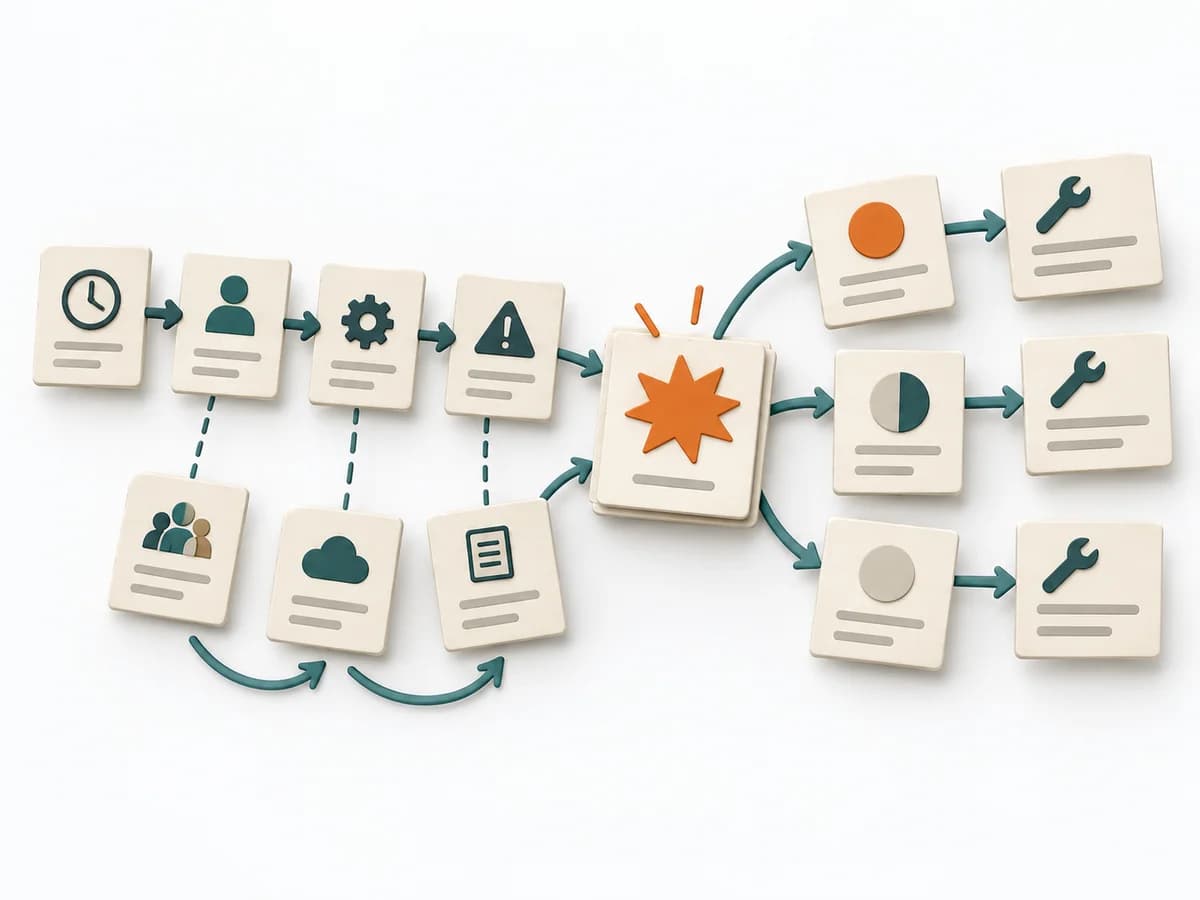 Operations Causal Factor Analysis |  Operations Failure Mode and Effects Analysis | 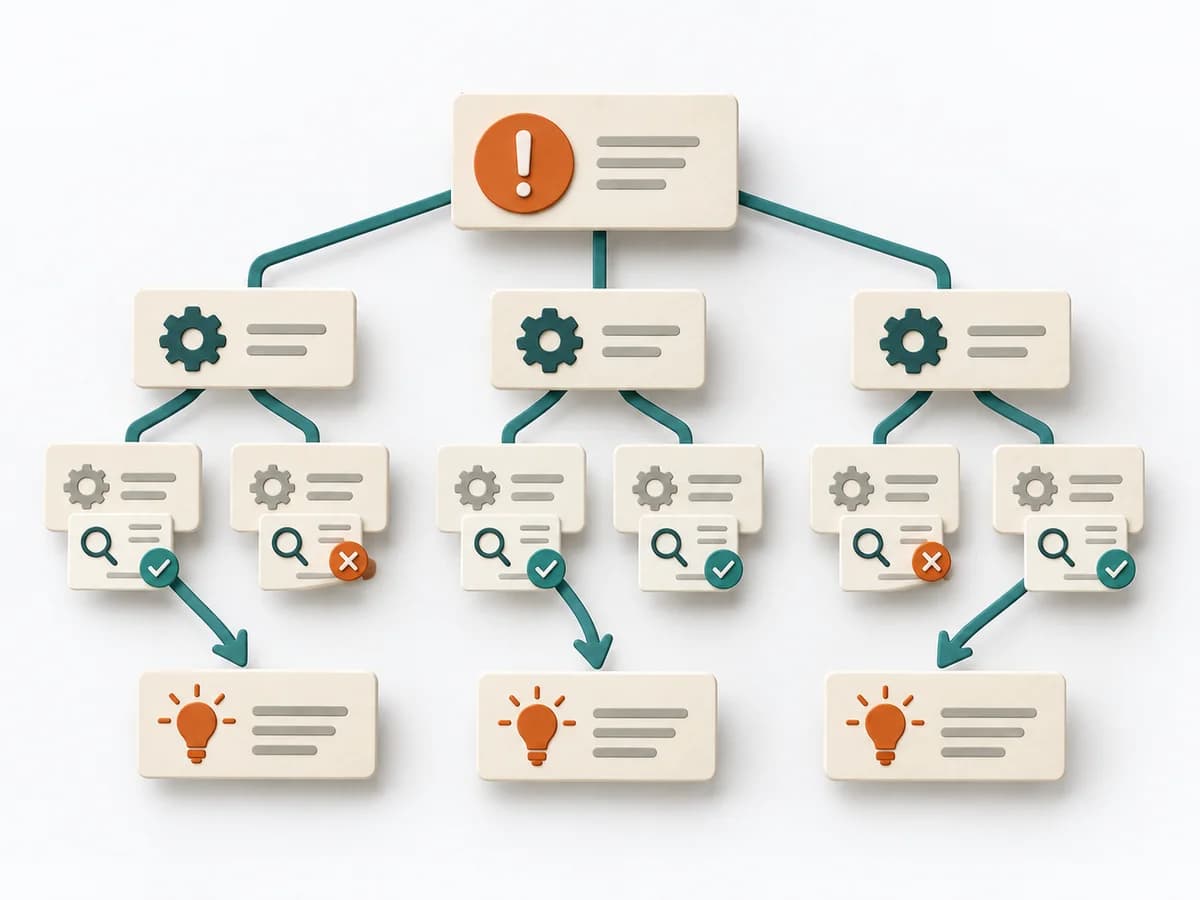 Operations Root Cause Tree Analysis |
|---|---|---|---|---|
Purposedifferent | Leverage Points show exactly where interventions in a system produce a disproportionate effect. It draws relationships, patterns, and feedback loops. The result is captured as a leverage map and action strategy. | For an event with a complicated course, the method breaks down the contributing factors along the timeline. It shows how conditions, decisions, and reactions together produce a course of events. | For a process, product, or service with noticeable failure risks, the method assesses possible failure modes in advance. It directs attention to combinations of occurrence, effect, and detectability. | For a problem with several suspected causes, the method builds a causal structure instead of a mere list. It makes visible how causes connect and where the strongest points of leverage lie. |
Complexitydifferent | High | High | High | Medium |
Timedifferent | Half day | 2-6 h | 2-6 h | 1-3 h |
Participantsdifferent | 3-12 | 3-10 | 3-10 | 2-8 |
Formatdifferent | Workshop | Workshop + async | Workshop | Workshop |
Outputdifferent | Leverage Map, Action Strategy | Event Timeline, Causal Factor Chart, Cause List, Corrective Actions | FMEA Table, Risk Priority, Mitigation Actions | Cause Tree, Evidence Notes, Countermeasures |
Tagsno overlap | Systems thinkingChangeStrategy | CausalityIncidentRoot causeTimeline | RiskQualityOperationsRoot cause | Root causeTreeIncidentQuality |