View methods side by side.
Choose up to four methods. Add them using the search and share the comparison by copying its link.
| Criterion |  Systems Thinking Leverage Points | 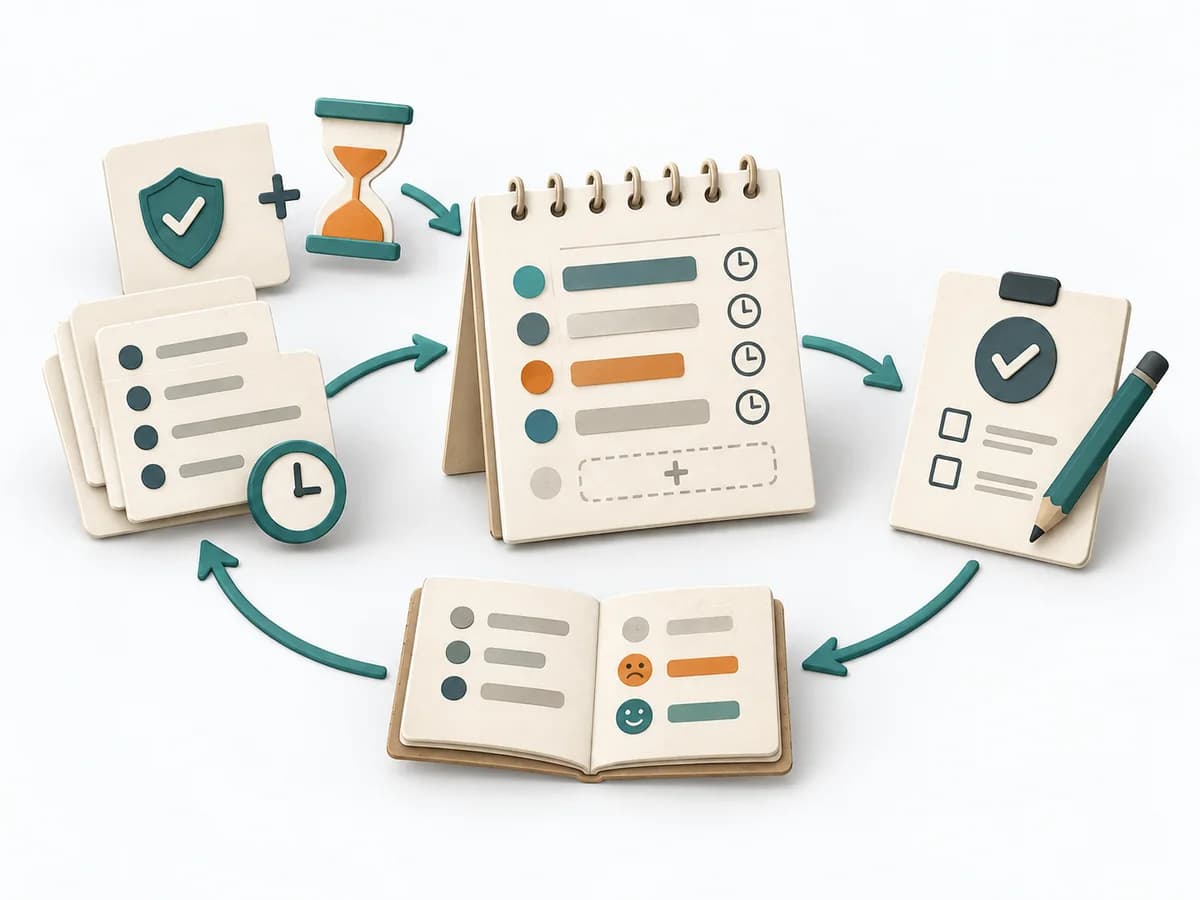 Operations ALPEN Method | 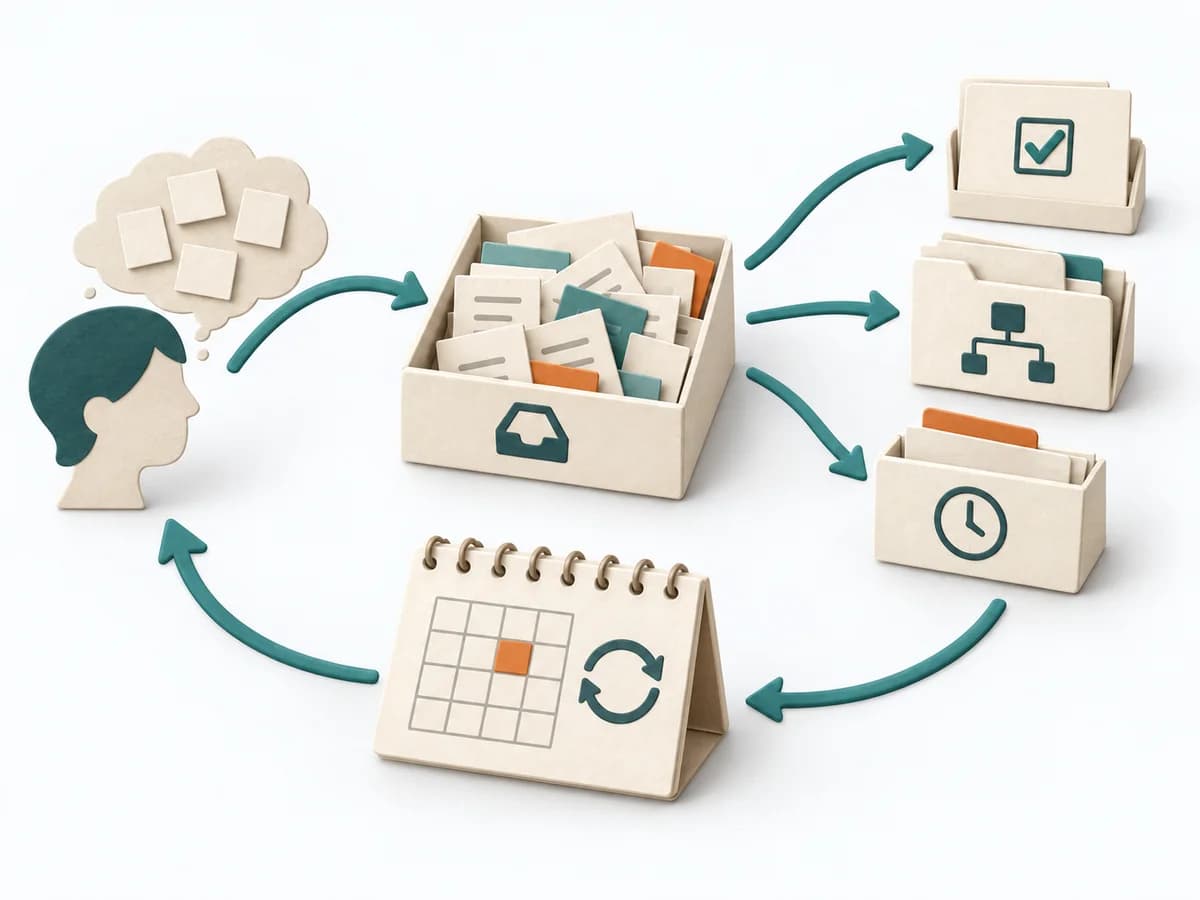 Operations Getting Things Done | 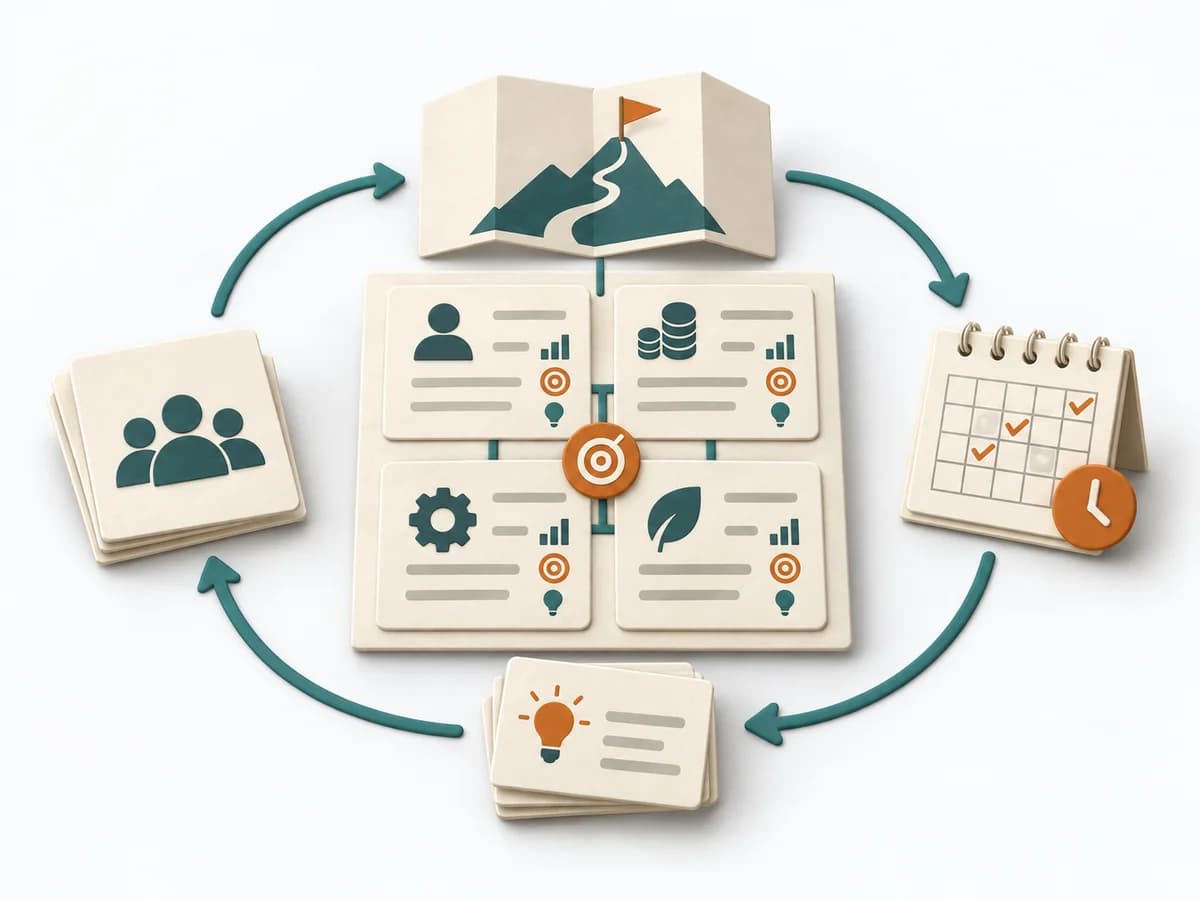 Business Strategy Balanced Scorecard |
|---|---|---|---|---|
Purposedifferent | Leverage Points show exactly where interventions in a system produce a disproportionate effect. It draws relationships, patterns, and feedback loops. The result is captured as a leverage map and action strategy. | With an overloaded day full of too many tasks, a realistic picture of the day emerges. The method connects estimating, deciding, and buffer thinking so planning fits available energy and time. | With many open commitments and ideas in daily life, a reliable external storage system emerges. The method relieves the mind so priority and context don't have to compete in memory. | Balanced Scorecard translates strategy into a few interconnected perspectives and metrics. It holds impact, steering, and learning together in daily work instead of narrowing strategy down to financial figures. |
Complexitydifferent | High | Low | Medium | High |
Timedifferent | Half day | 10-20 min daily | 1-2 h Setup, laufend | Halber Tag bis mehrere Wochen |
Participantsdifferent | 3-12 | 1 | 1 | 4-12 |
Formatdifferent | Workshop | Async | Async | Workshop + async |
Outputdifferent | Leverage Map, Action Strategy | Daily Plan, Time Estimates, Review Notes | Action Lists, Project List, Review Routine | Balanced Scorecard, Strategic Measures, Initiative Map |
Tagsno overlap | Systems thinkingChangeStrategy | PlanningTime managementProductivityOperations | ProductivityPlanningTasksExecution | StrategyMetricsExecution |