View methods side by side.
Choose up to four methods. Add them using the search and share the comparison by copying its link.
| Criterion | 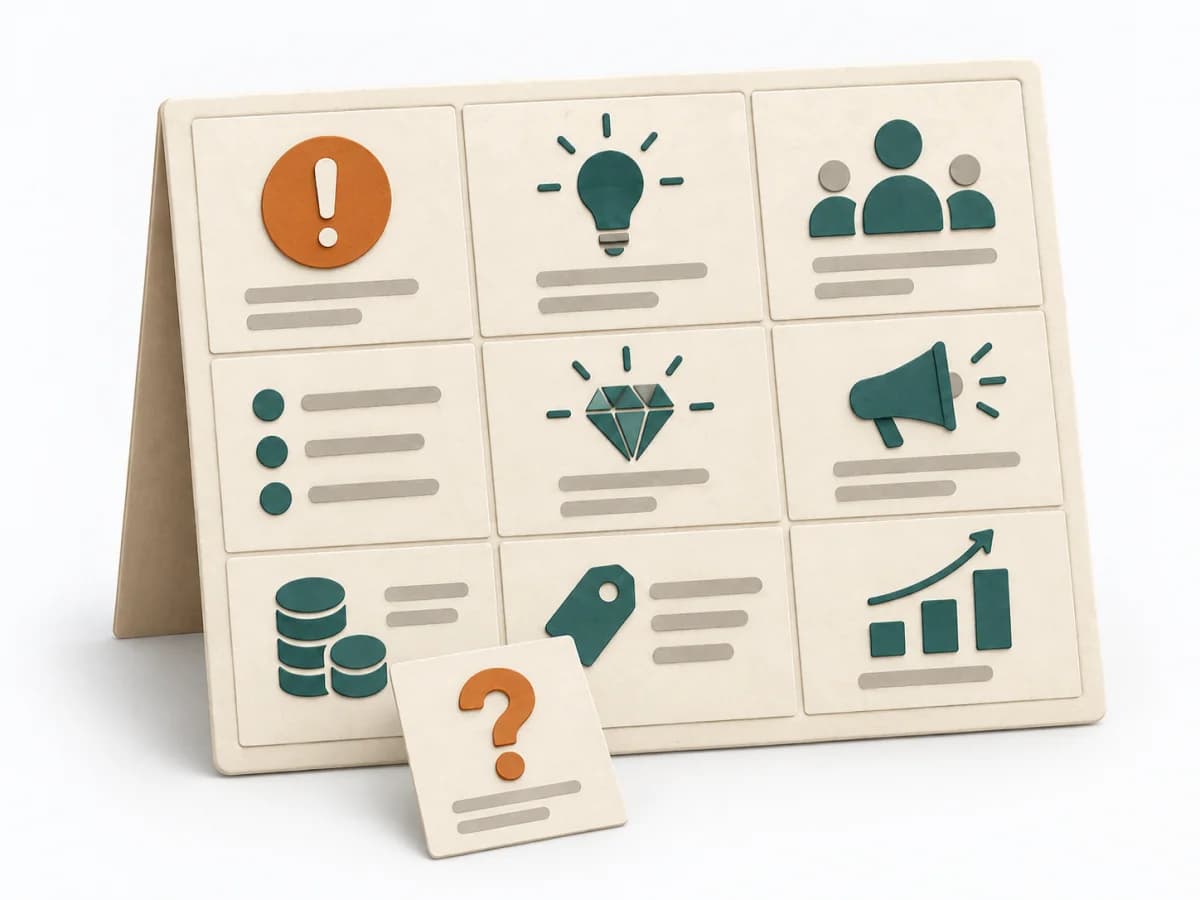 Product Strategy Lean Canvas | 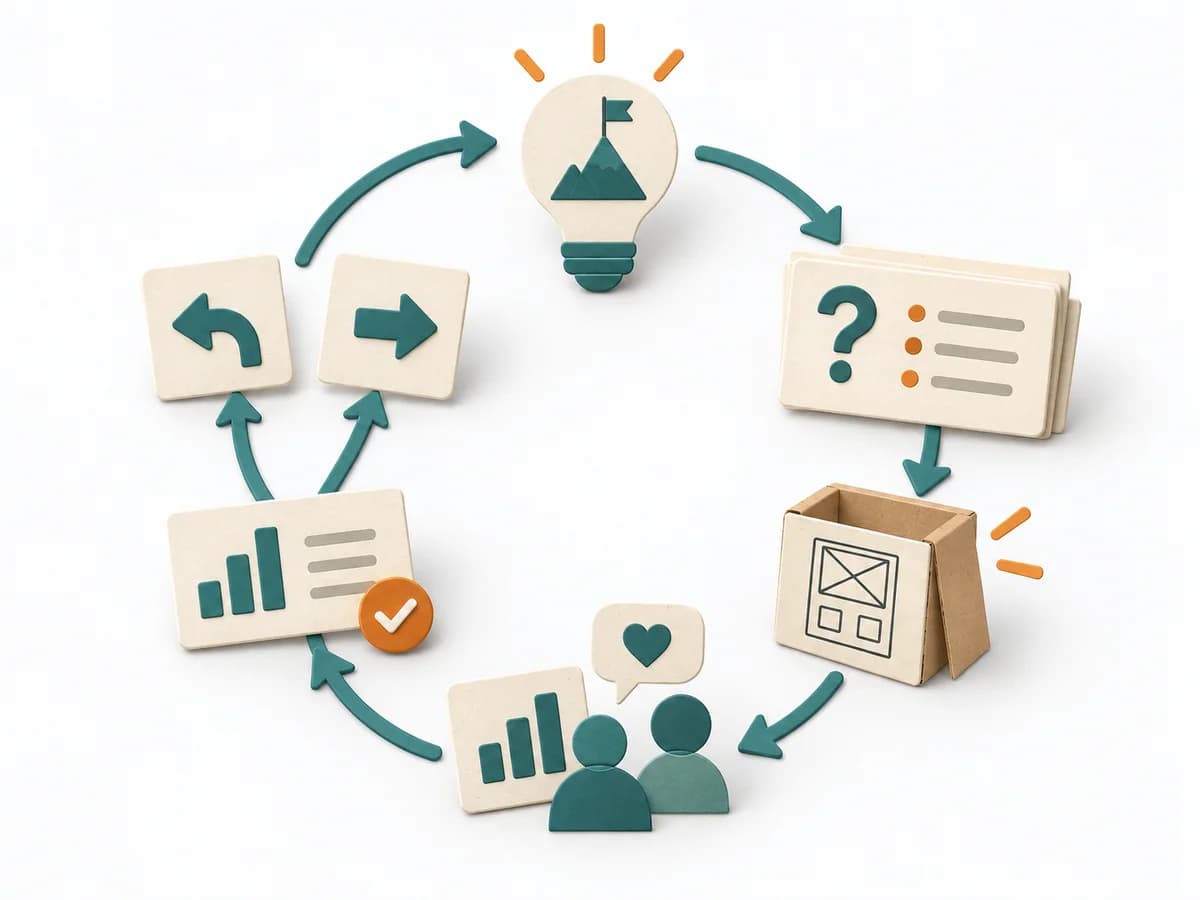 Innovation Lean Startup | 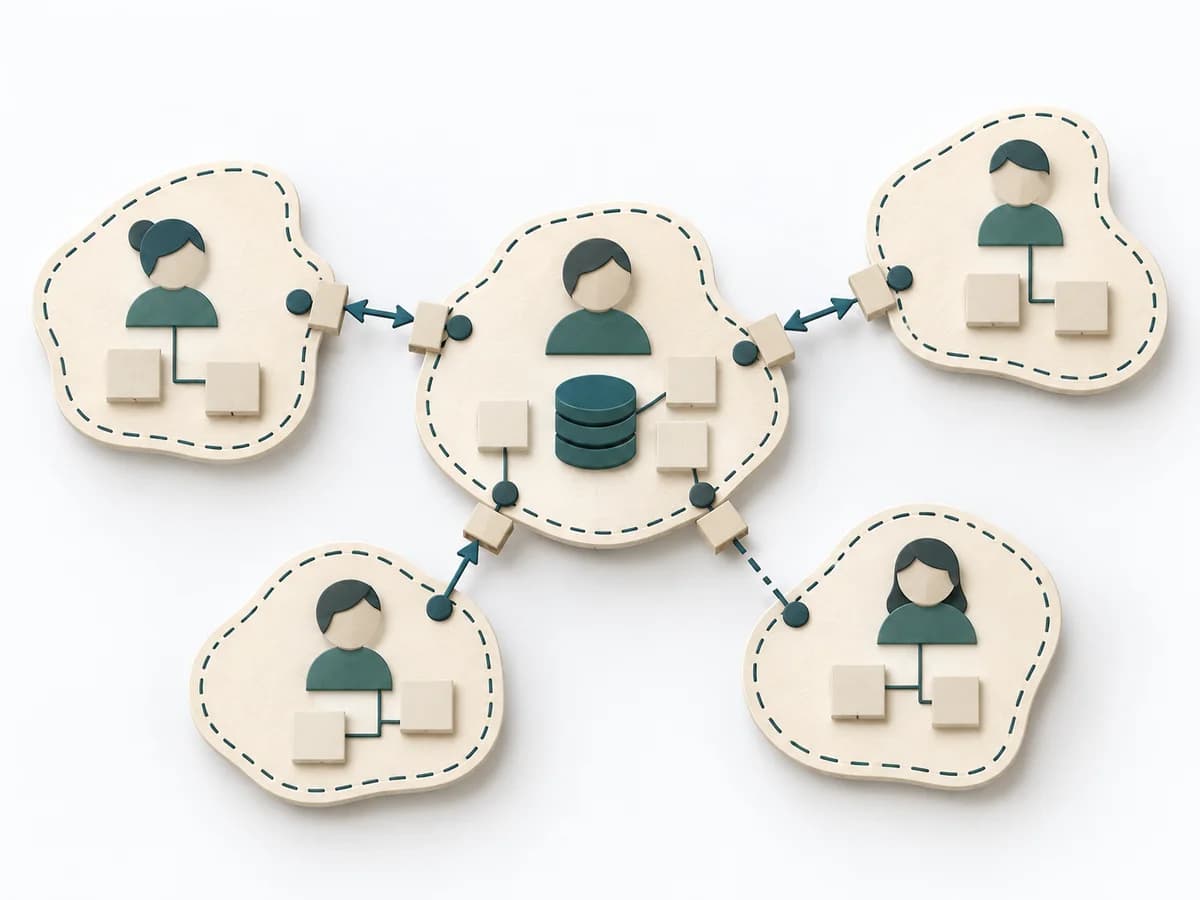 Domain Modeling Domain Context Map |  Domain Modeling Context Map |
|---|---|---|---|---|
Purposedifferent | When an early product bet still has too many open points, it brings target group, problem, and assumptions into a single view. It condenses the idea so core risks become nameable. | For uncertain business assumptions, the method forces the idea into contact with real market reactions early. It separates wishful picture, assumption, and observable behavior, so that learning becomes faster than planning. This translates uncertainty into measurable insight. | When a domain model and its associated contexts need to be thought through together, it creates a shared overview. It connects the business view and organizational boundary into a readable whole. | When several contexts need to talk to each other, it makes their relationships and dependencies legible. It helps sort integration pressure and responsibilities across system boundaries. |
Complexitysame | Medium | Medium | Medium | Medium |
Timedifferent | 45-90 min | Wochen bis Monate je Lernzyklus | 1-3 h | 1-3 h |
Participantsdifferent | 1-6 | 2-8 | 3-10 | 2-8 |
Formatdifferent | Workshop + async | Workshop + async | Workshop | Workshop + async |
Outputdifferent | Lean Canvas, Core Assumptions, Experiment Backlog | Hypothesis list, MVPs, Learning reports, Pivot or persevere decision | Domain Context Map, Boundary Notes, Ownership Map | Context Map, Integration Patterns, Boundary Notes |
Tagsno overlap | StartupLeanAssumptionsBusiness model | LeanStartupValidationMVP | Domain-Driven DesignContextBoundaries | Domain-Driven DesignBoundariesStrategy |