View methods side by side.
Choose up to four methods. Add them using the search and share the comparison by copying its link.
| Criterion |  Knowledge Modeling Knowledge Mapping | 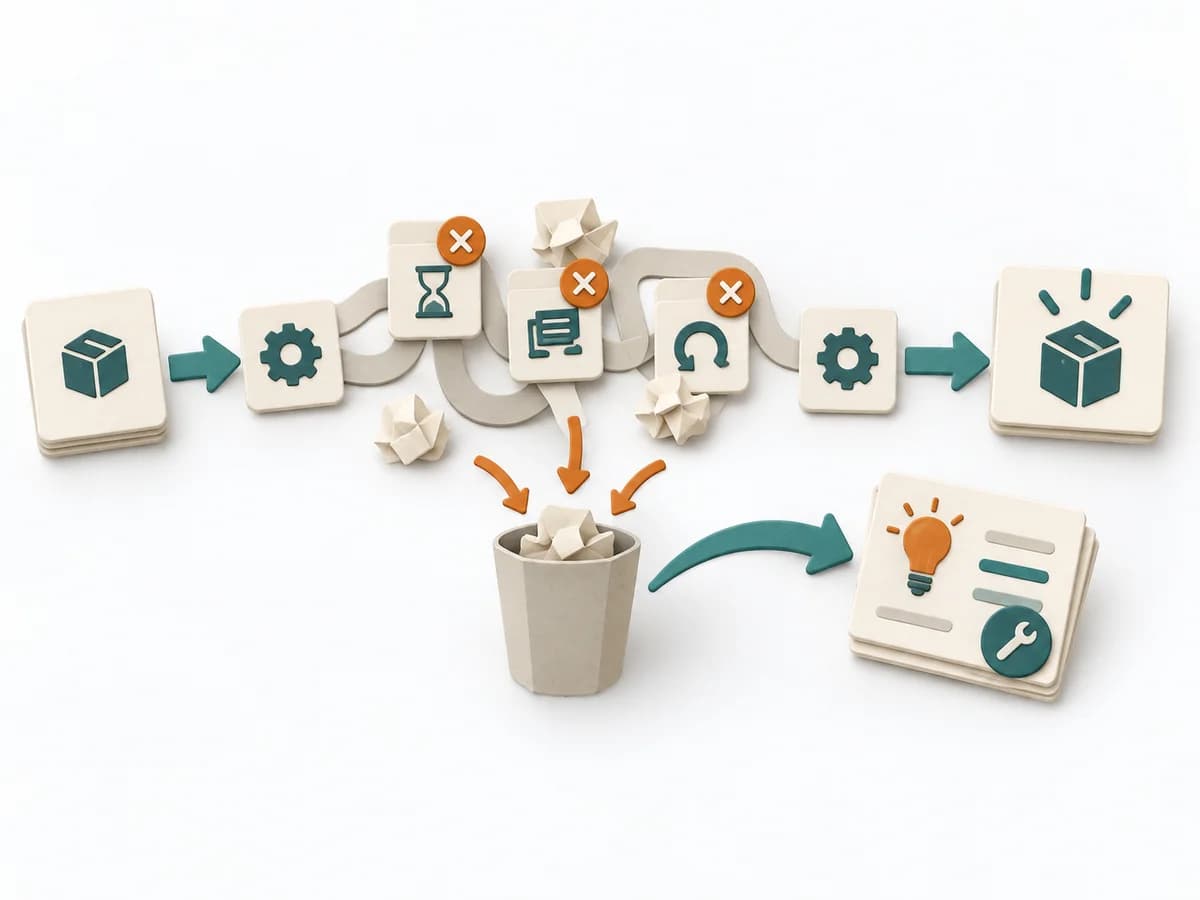 Operations Waste Analysis | 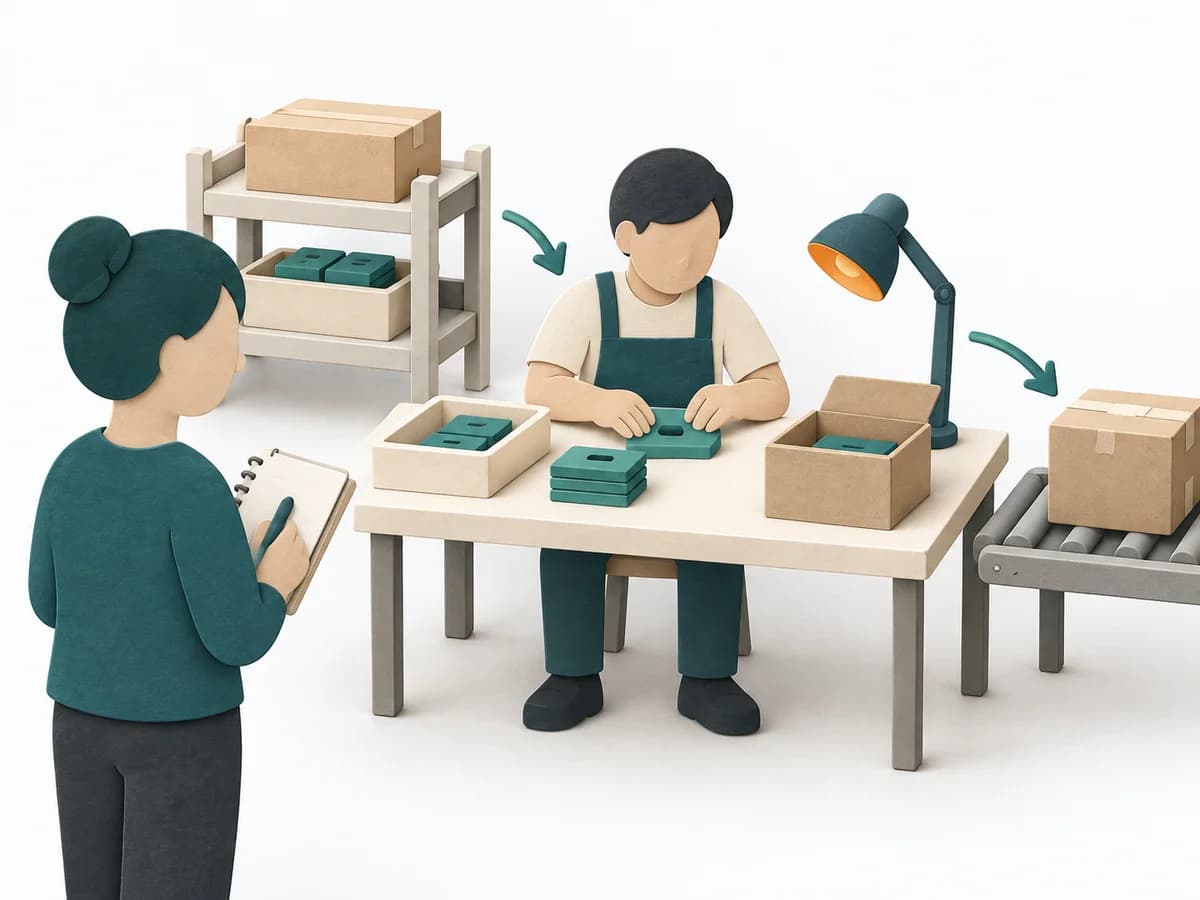 Operations Gemba Walk | 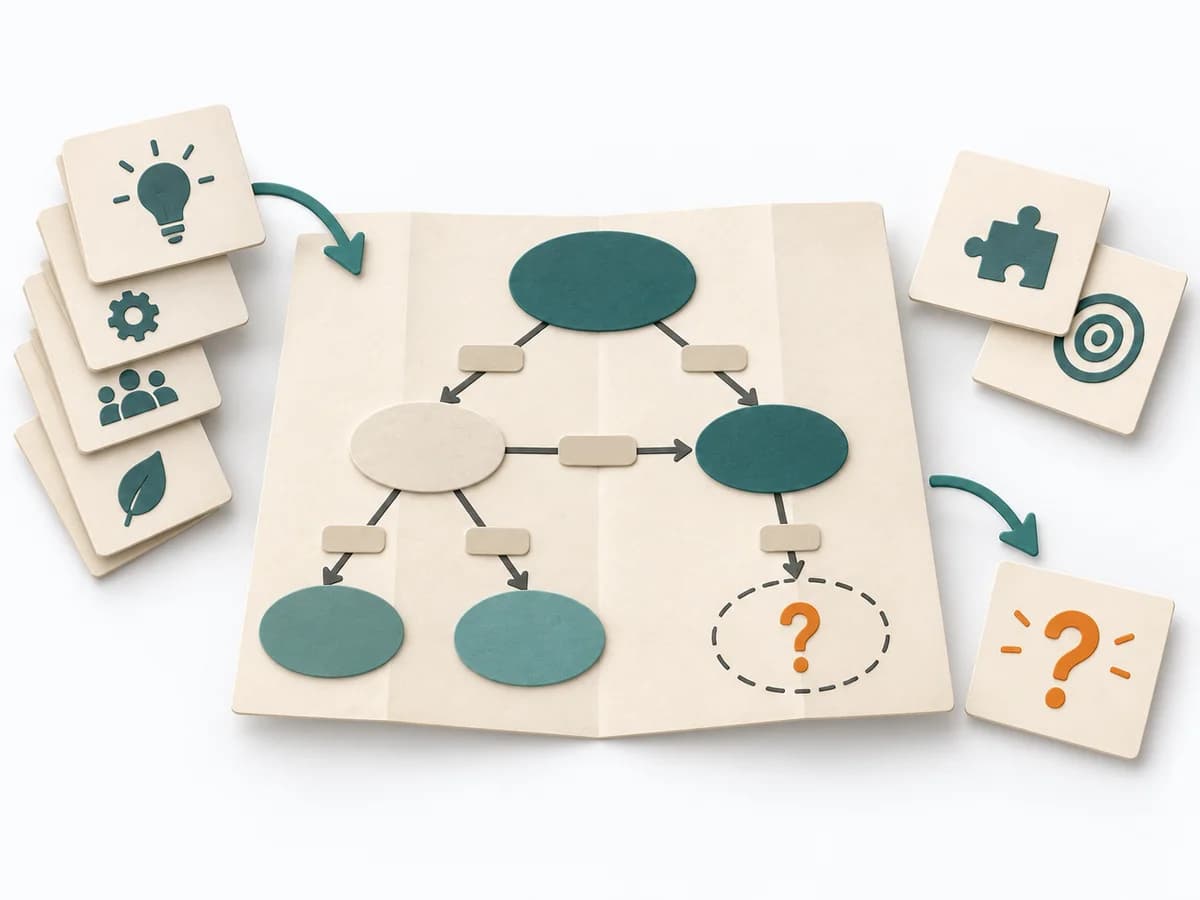 Knowledge Modeling Concept Mapping |
|---|---|---|---|---|
Purposedifferent | Knowledge Mapping makes knowledge, gaps, and transfer paths visible across a field. It fits when expertise should not just exist but also be findable and transferable. | For a process that keeps people busy but creates little value, the method exposes waste. It directs attention to unnecessary movement, waiting times, rework, and overdelivery. | When there is uncertainty about the real course of a process, the method brings observation to the place where work happens. It combines perception, follow-up questions, and process knowledge so decisions rest on actual workflows instead of assumptions. | Concept Mapping arranges terms and relationships in a network that makes subject-matter connections tangible. It fits when a topic needs to be understood structurally rather than linearly. |
Complexitydifferent | Medium | Low | Low | Medium |
Timedifferent | 1-3 h | 45-120 min | 30-120 min | 1-2 h |
Participantsdifferent | 3-12 | 2-8 | 2-6 | 1-8 |
Formatdifferent | Workshop | Workshop | Workshop | Workshop + async |
Outputdifferent | Knowledge Map, Critical Knowledge Areas, Transfer Plan | Waste Map, Prioritized Waste, Improvement Backlog | Observation Notes, Improvement Ideas | Concept Map, Relationship Labels, Knowledge Gaps |
Tagsno overlap | KnowledgeMappingRisk | WasteLeanProcess improvement | LeanObservationProcessOperations | KnowledgeConceptsMappingSensemaking |