View methods side by side.
Choose up to four methods. Add them using the search and share the comparison by copying its link.
| Criterion | 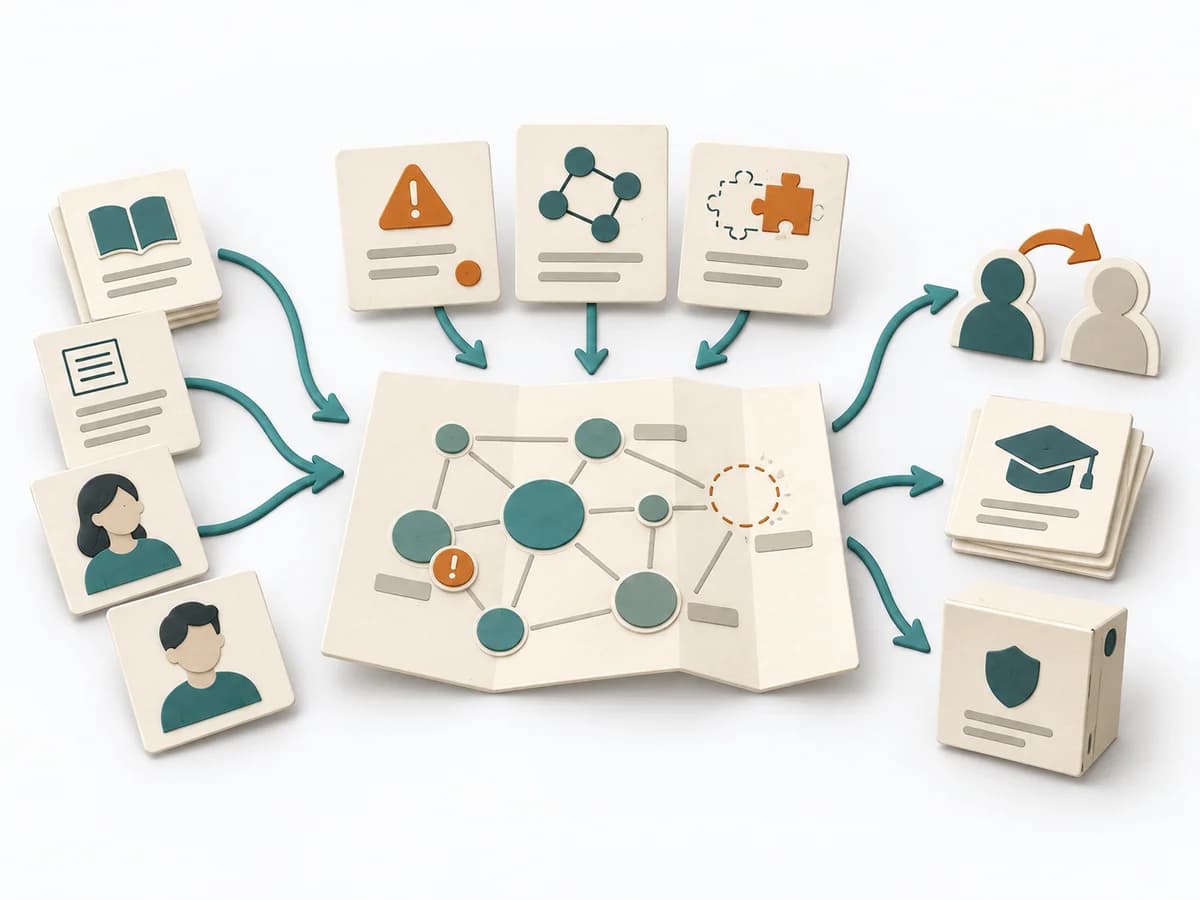 Knowledge Modeling Knowledge Mapping | 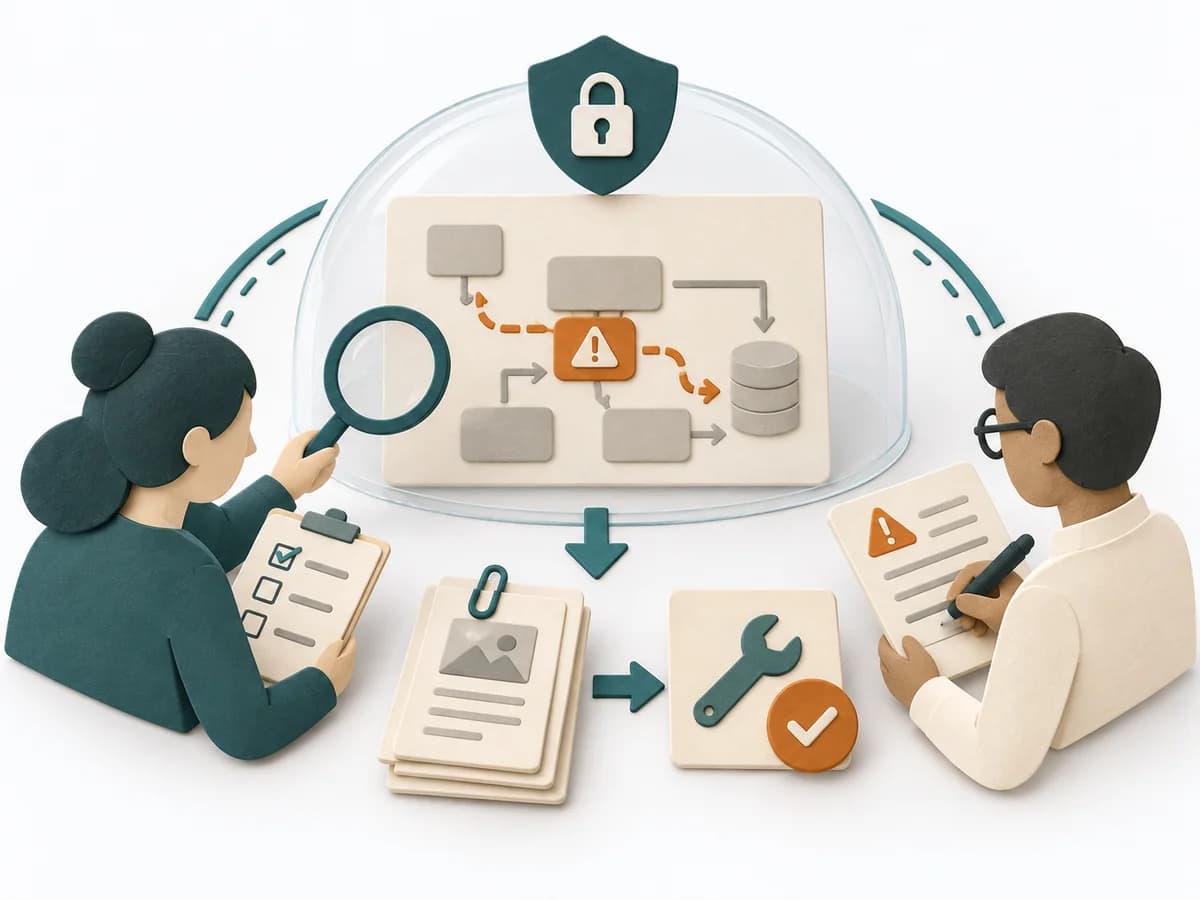 Decision Making Red Teaming | 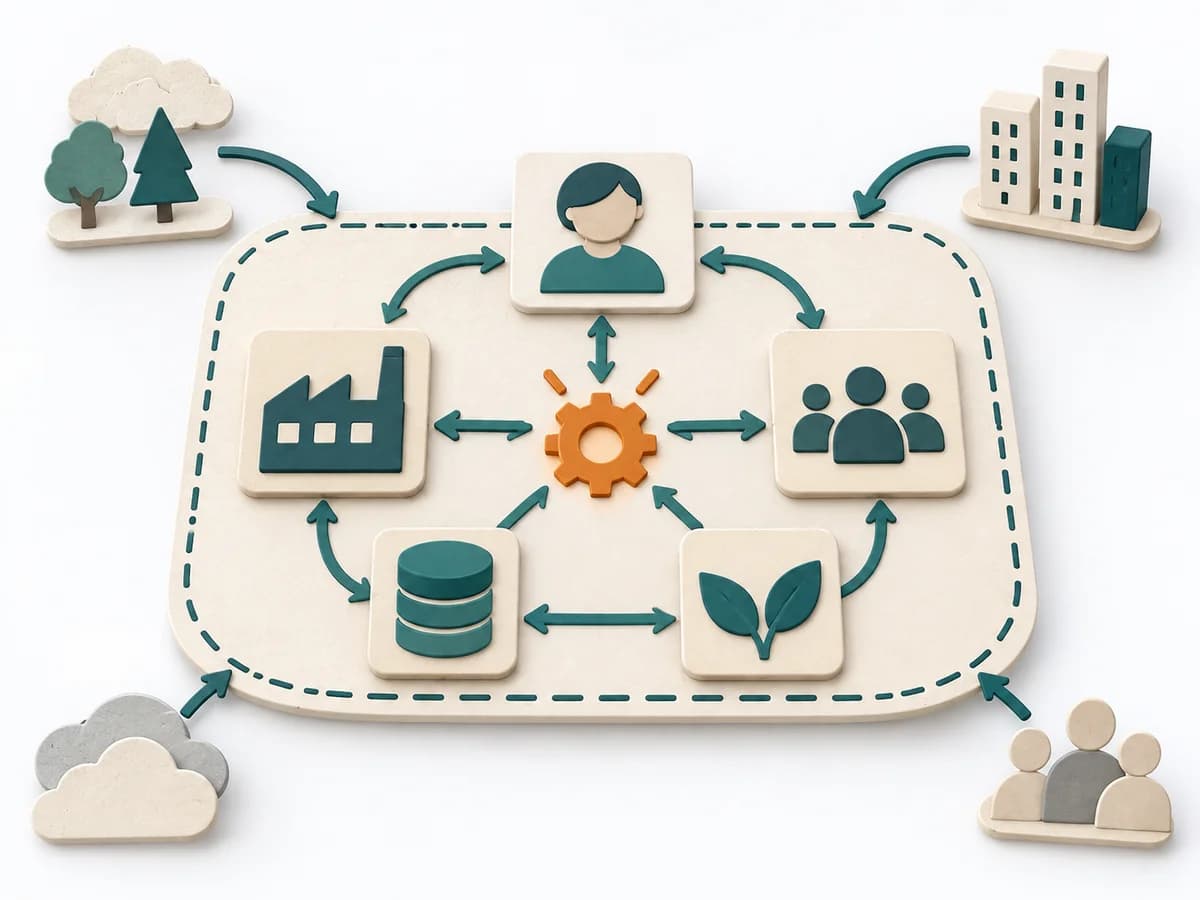 Systems Thinking Systems Mapping |  Decision Making Assumption Surfacing |
|---|---|---|---|---|
Purposedifferent | Knowledge Mapping makes knowledge, gaps, and transfer paths visible across a field. It fits when expertise should not just exist but also be findable and transferable. | For strategic decisions with high reach, agreement and gut feeling are often not enough. Red teaming brings deliberate opposition into the situation and tests where a plan breaks under real counterarguments. | Systems Mapping arranges elements, relationships, and boundaries so a complex field becomes legible at a glance. The overview stabilizes the overall picture before detail work or steering begins. | Plans often contain assumptions that were never openly stated and remain dangerous precisely because of that. Assumption Surfacing makes these silent premises visible and prioritizes which of them carry the initiative or could sink it. |
Complexitydifferent | Medium | High | Medium | Low |
Timedifferent | 1-3 h | 1-4 h | 1-3 h | 45-90 min |
Participantsdifferent | 3-12 | 3-8 | 3-12 | 2-8 |
Formatdifferent | Workshop | Workshop | Workshop + async | Workshop + async |
Outputdifferent | Knowledge Map, Critical Knowledge Areas, Transfer Plan | Challenge Findings, Risk Register, Mitigation Plan | System Map, Dependencies, Leverage Points | Assumption List, Critical Assumptions, Learning Plan |
Tagsno overlap | KnowledgeMappingRisk | RiskDecisionSensemaking | Systems thinkingMappingBoundariesChange | AssumptionsRiskDecisionDiscovery |