View methods side by side.
Choose up to four methods. Add them using the search and share the comparison by copying its link.
| Criterion | 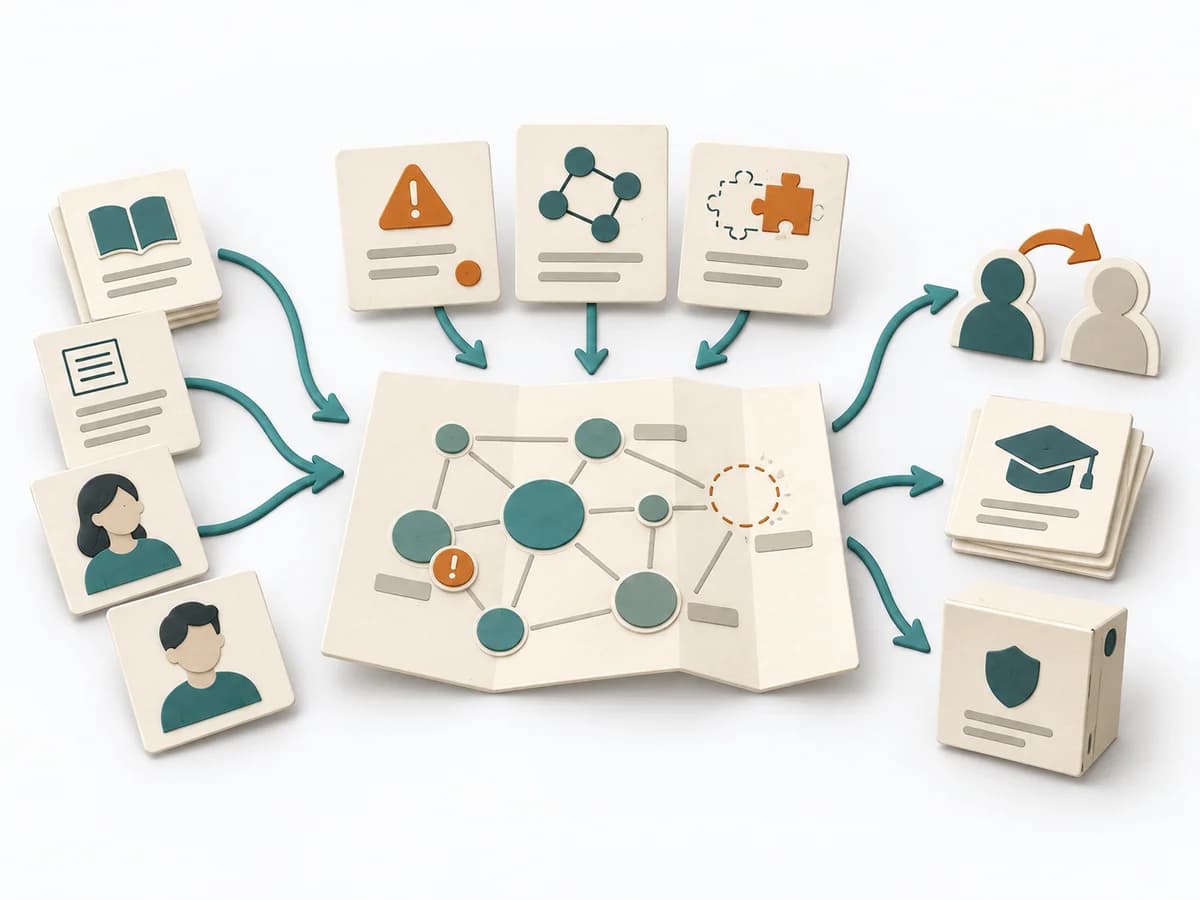 Knowledge Modeling Knowledge Mapping | 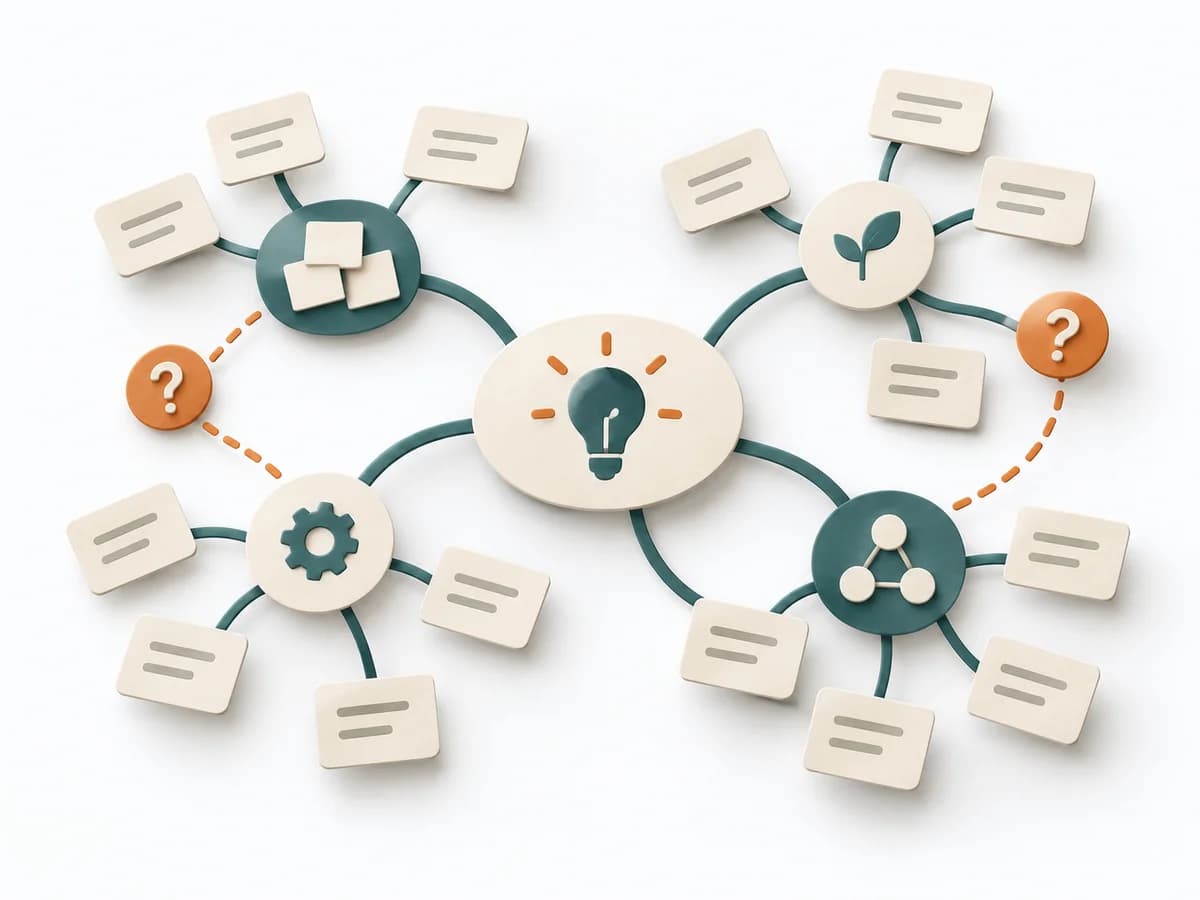 Facilitation Mind Mapping | 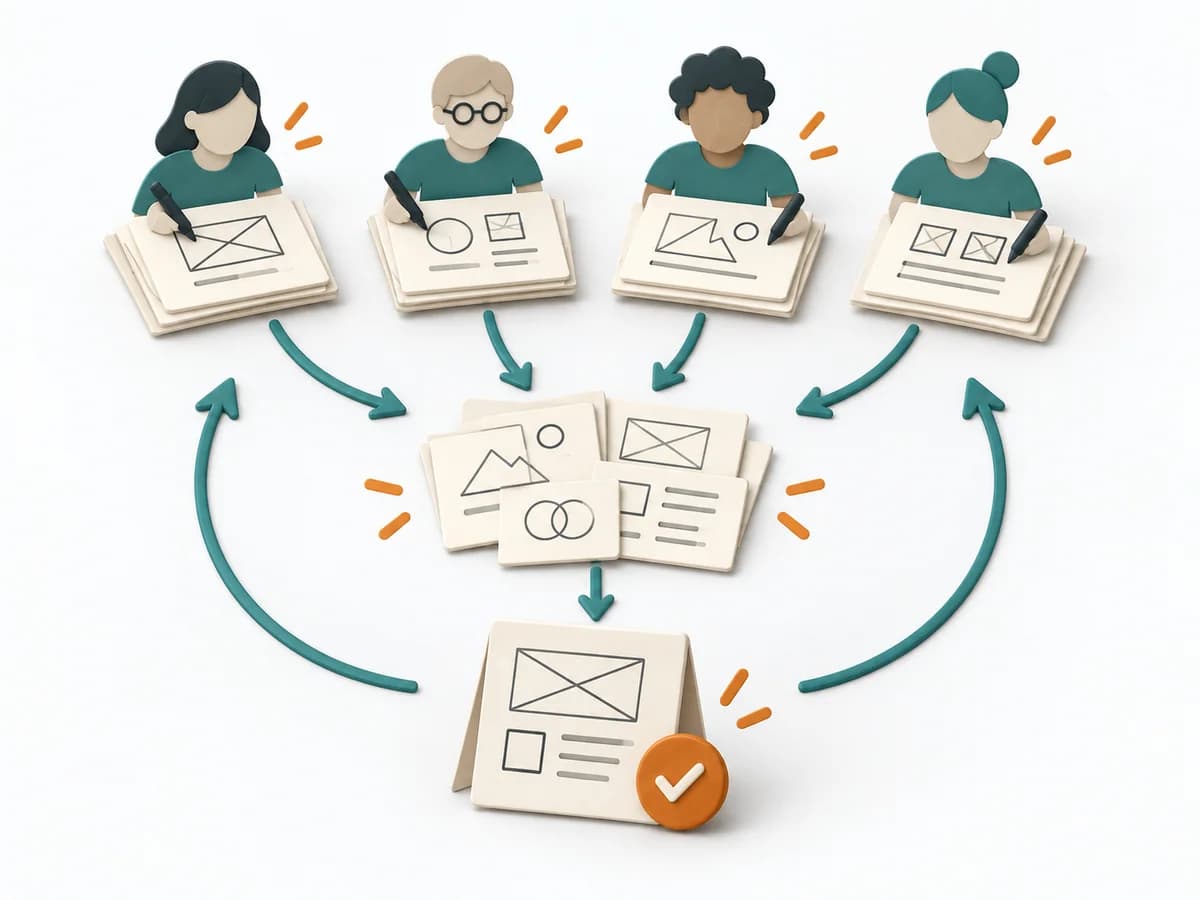 Innovation Design Charrette | 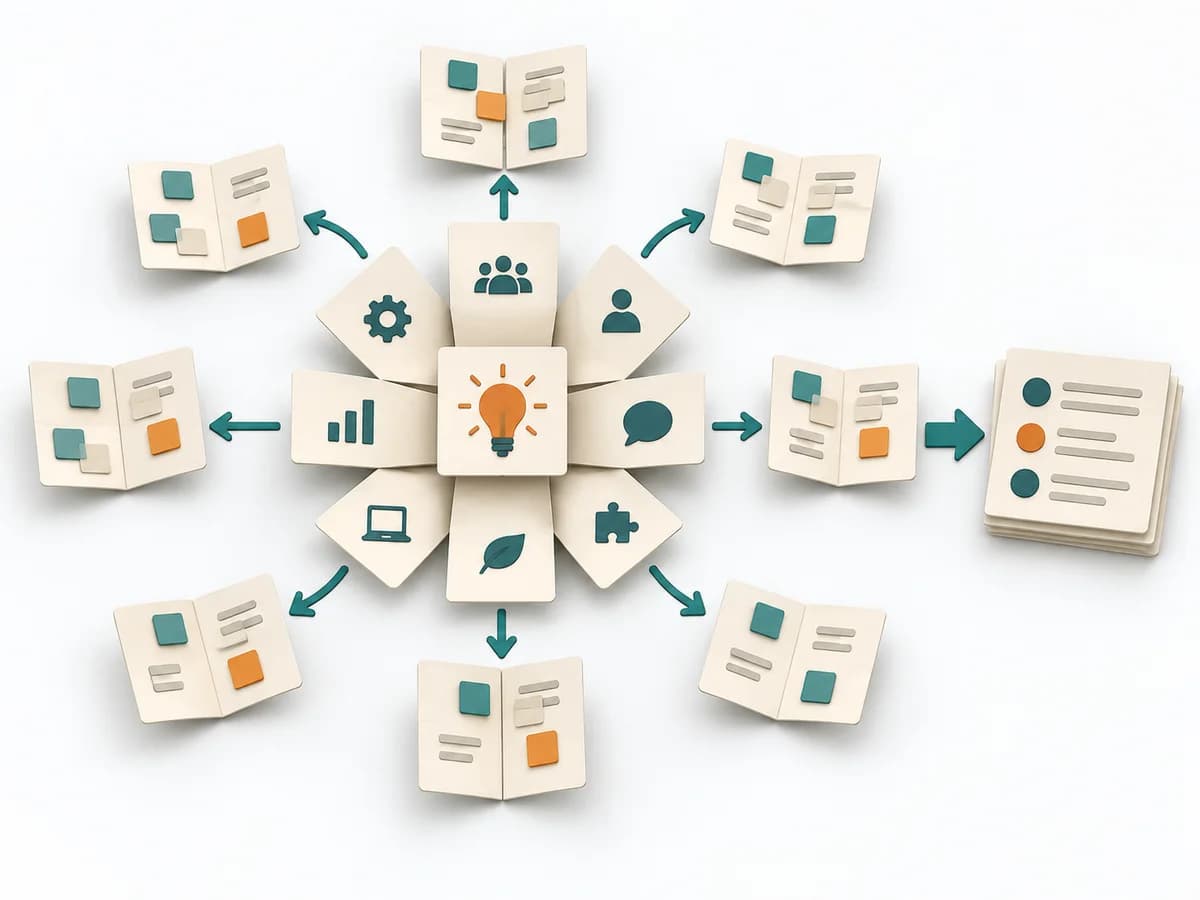 Innovation Lotus Blossom |
|---|---|---|---|---|
Purposedifferent | Knowledge Mapping makes knowledge, gaps, and transfer paths visible across a field. It fits when expertise should not just exist but also be findable and transferable. | When a topic is still unclear and too many thoughts surface at once, Mind Mapping creates an open surface for ordering them. It makes connections, subtopics, and starting points visible without fixing them too early. | In a tightly timed design process with many participants, the method pools several lines of thinking in a short time. It brings parallel design energy without letting the discussion tip into endless coordination. This quickly produces solid directions for architecture or space. | When a central question feels too large, the method breaks it into neighboring topic fields with their own depth of ideation. It holds structure and openness at the same time, so adjacent perspectives don't get lost. This grows an idea space out of a core problem. |
Complexitydifferent | Medium | Low | Medium | Low |
Timedifferent | 1-3 h | 15-45 min | Halber Tag bis mehrere Tage | 45-90 min |
Participantsdifferent | 3-12 | 1-10 | 10-50 | 3-10 |
Formatdifferent | Workshop | Workshop + async | Workshop | Workshop |
Outputdifferent | Knowledge Map, Critical Knowledge Areas, Transfer Plan | Mind Map, Topic Clusters, Open Questions | Sketches and Concepts, Consolidated Solution Sketch, Prioritized Direction | Lotus Diagram, Idea Themes, Shortlist |
Tagsno overlap | KnowledgeMappingRisk | BrainstormingIdeasMappingStructureFacilitation | BrainstormingWorkshopCollaborationIdeation | BrainstormingIdeationCreativityDivergenceWorkshop |