View methods side by side.
Choose up to four methods. Add them using the search and share the comparison by copying its link.
| Criterion | 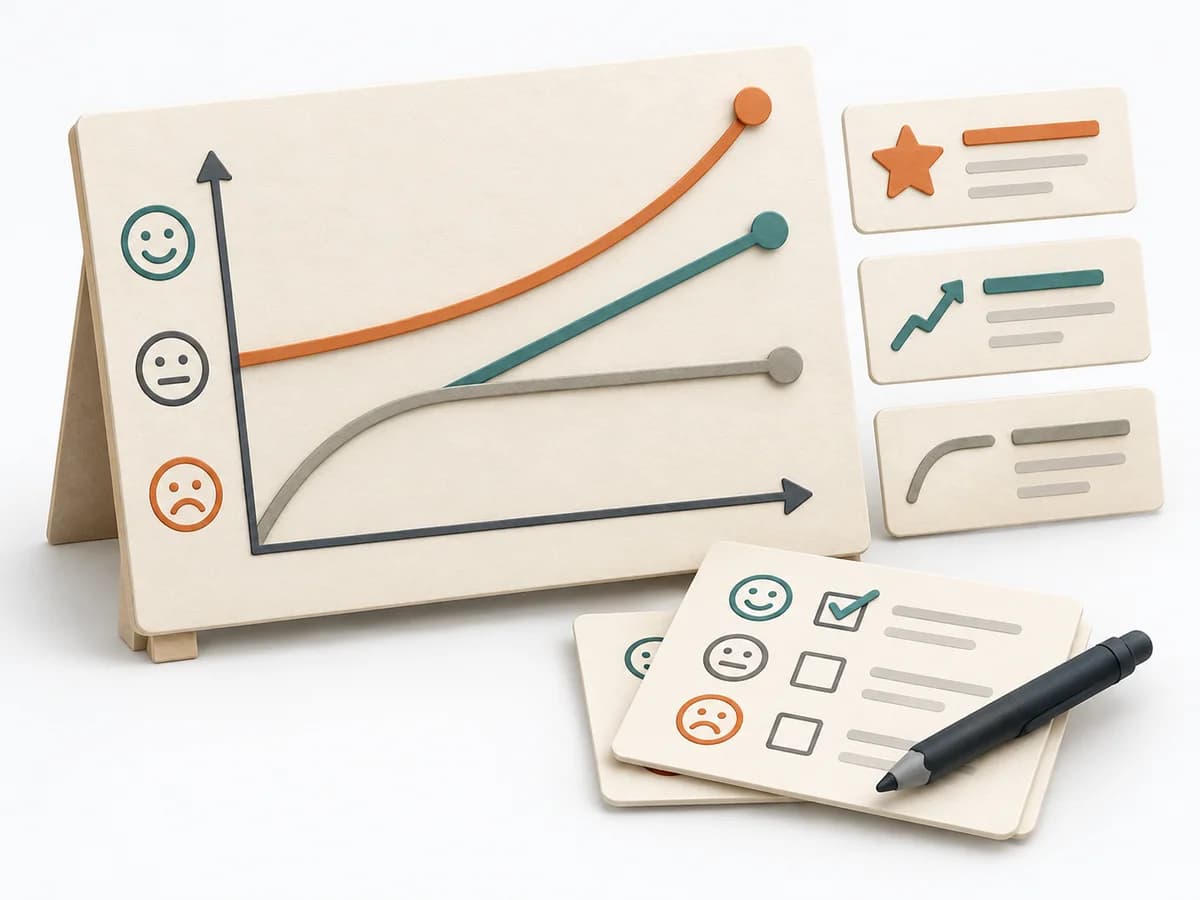 Product Discovery Kano Model | 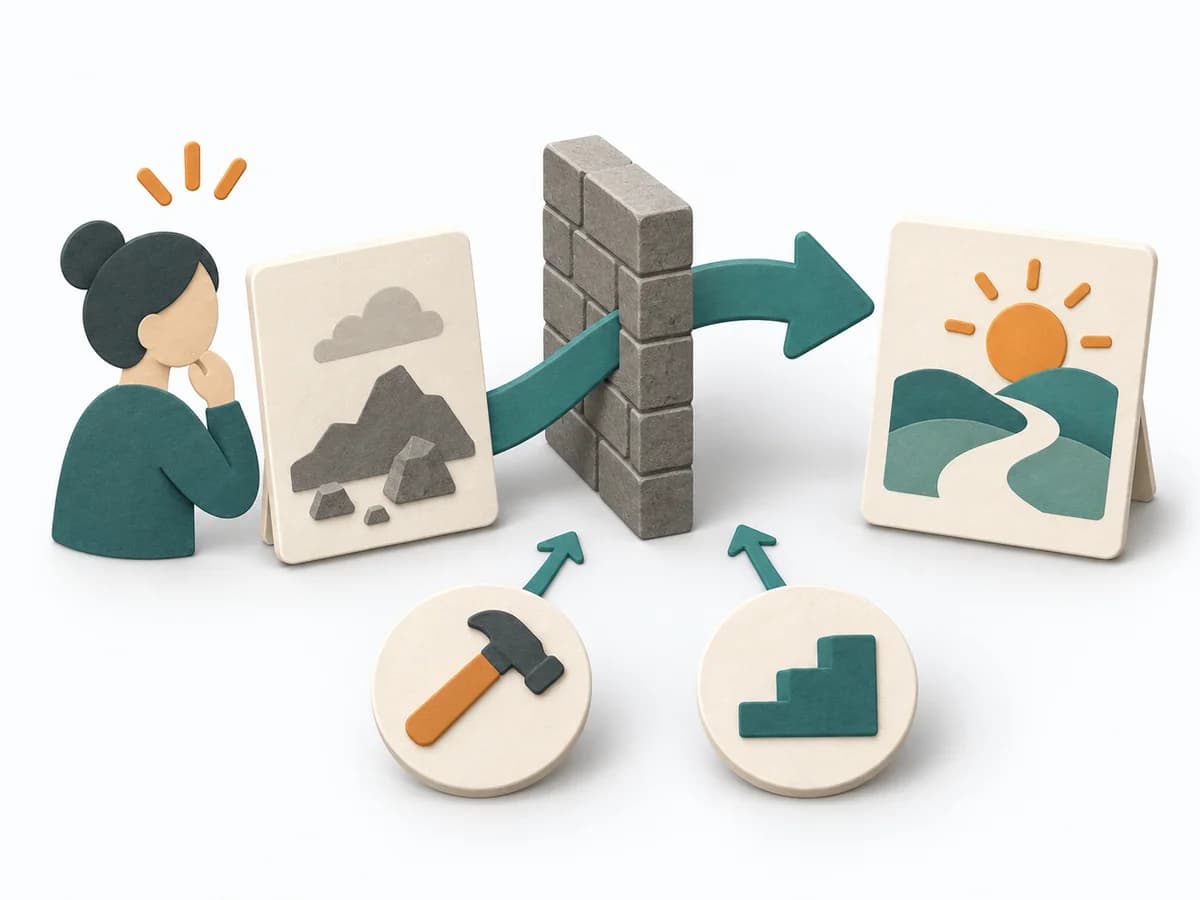 Product Discovery Jobs to Be Done | 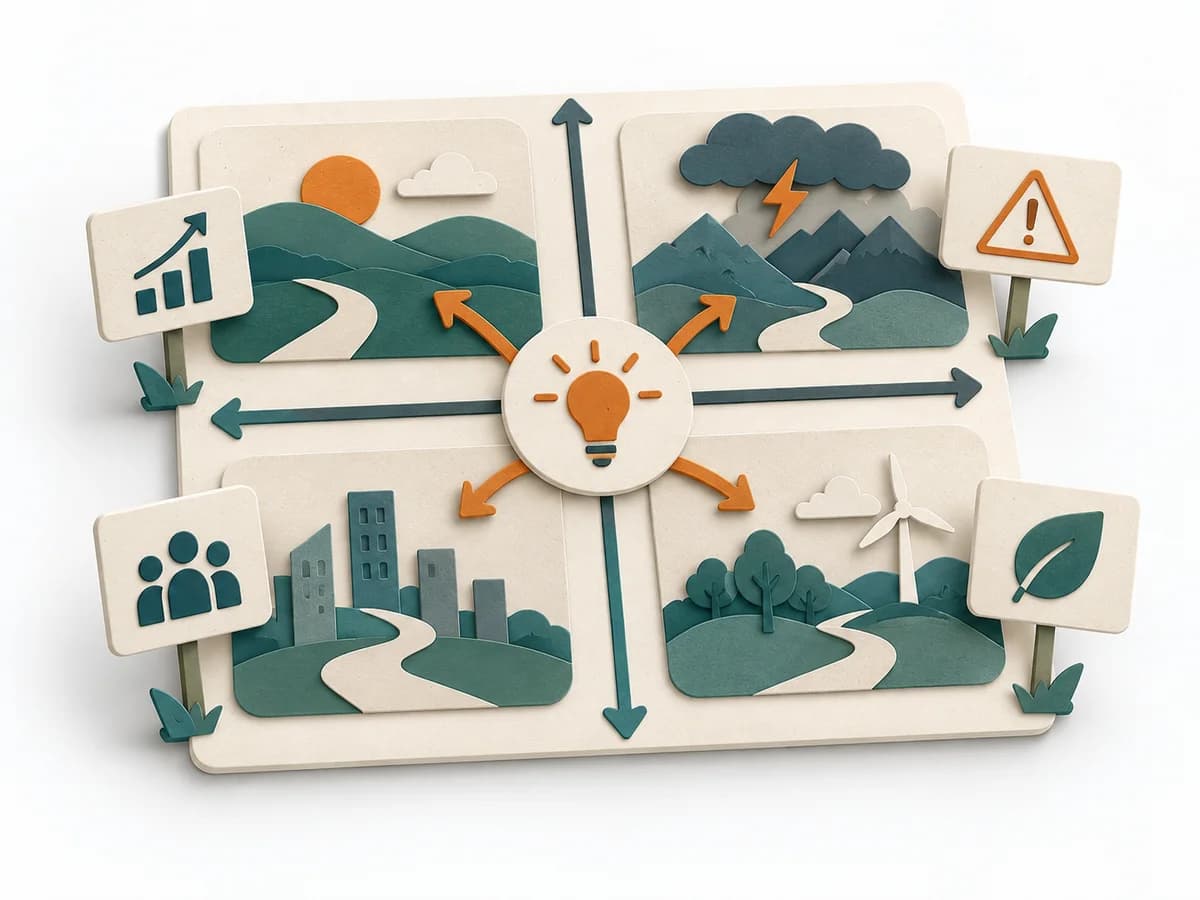 Business Strategy Scenario Planning | 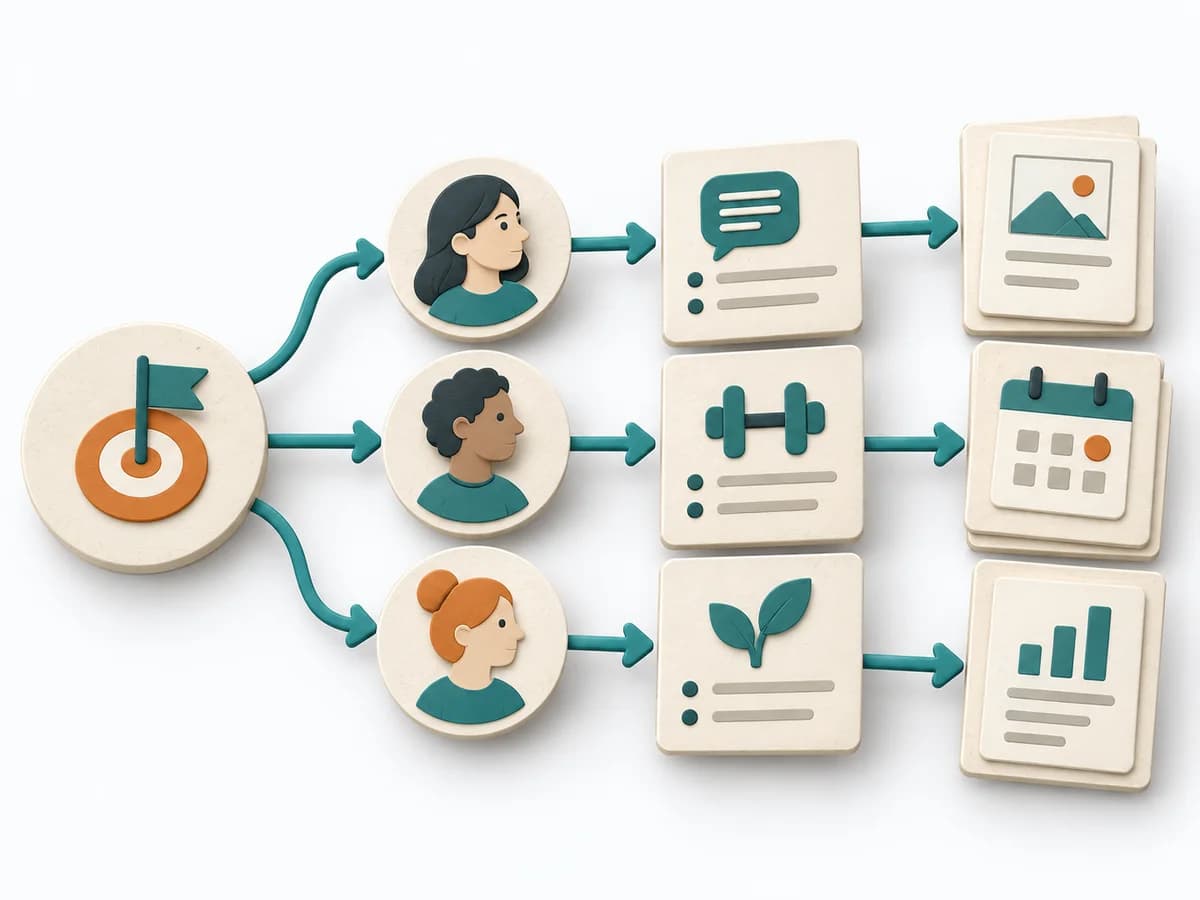 Product Strategy Impact Mapping |
|---|---|---|---|---|
Purposedifferent | When features need to be distinguished by their effect on satisfaction, it makes expectations and surprises comparable. It separates basic needs, performance contribution, and delight. | When switching motives and progress are unclear, it reconstructs the situation from real customer circumstances. It shows why a switch happens and what kind of progress is being sought. | Scenario Planning opens the view to several plausible futures instead of a single forecast. The method protects strategies from depending on too narrow an expected path. | When a goal needs to be connected to several possible paths, it shows chains of impact instead of feature lists. It connects business goal, behavior change, and measures. |
Complexitydifferent | Medium | Medium | High | Medium |
Timedifferent | 1-2 Tage | 1-3 Wochen | 0.5-2 Tage | 45-90 min |
Participantsdifferent | 10-50 | 5-12 Interviews | 4-12 | 3-8 |
Formatdifferent | Workshop + async | Workshop + async | Workshop | Workshop |
Outputdifferent | Kano Matrix, Feature Classes, Priority Themes | Job Stories, Outcome Statements, Opportunity List | Scenario Set, Strategic Implications, Robust Options | Impact Map, Outcome Hypotheses, Delivery Options |
Tagsno overlap | SatisfactionPrioritizationCustomer | CustomerOutcomesNeeds | StrategyUncertaintyPlanning | OutcomesStrategyBehaviorPlanning |