View methods side by side.
Choose up to four methods. Add them using the search and share the comparison by copying its link.
| Criterion | 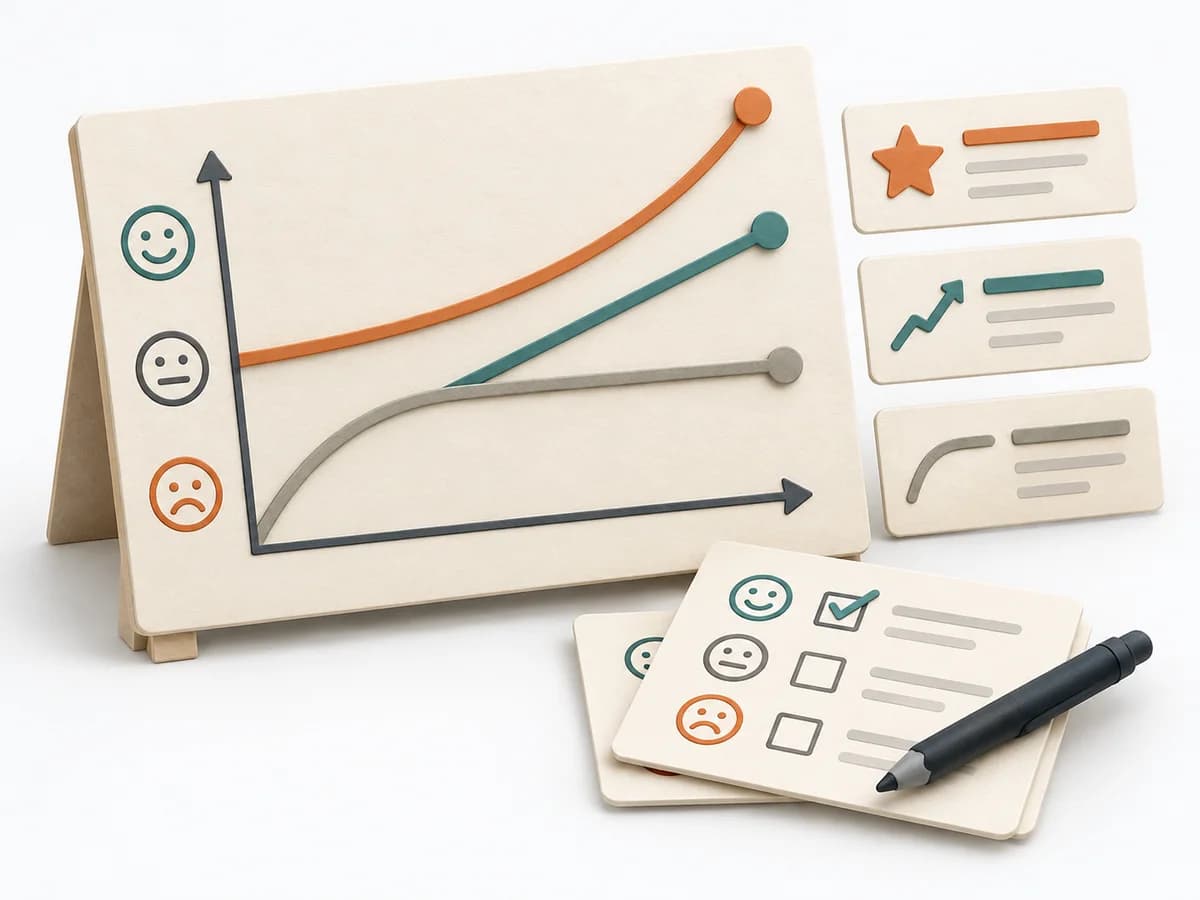 Product Discovery Kano Model |  Innovation Design Sprint | 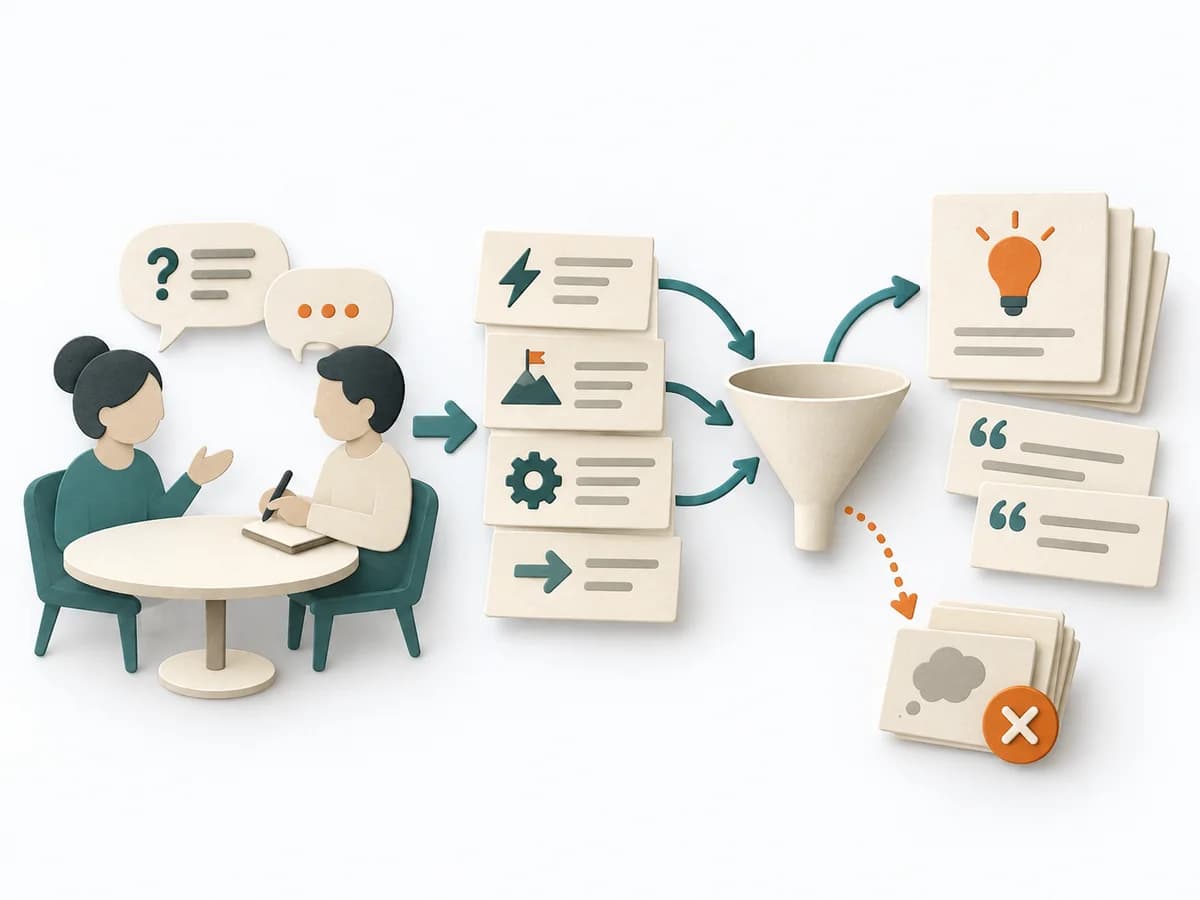 Product Discovery Opportunity Interview | 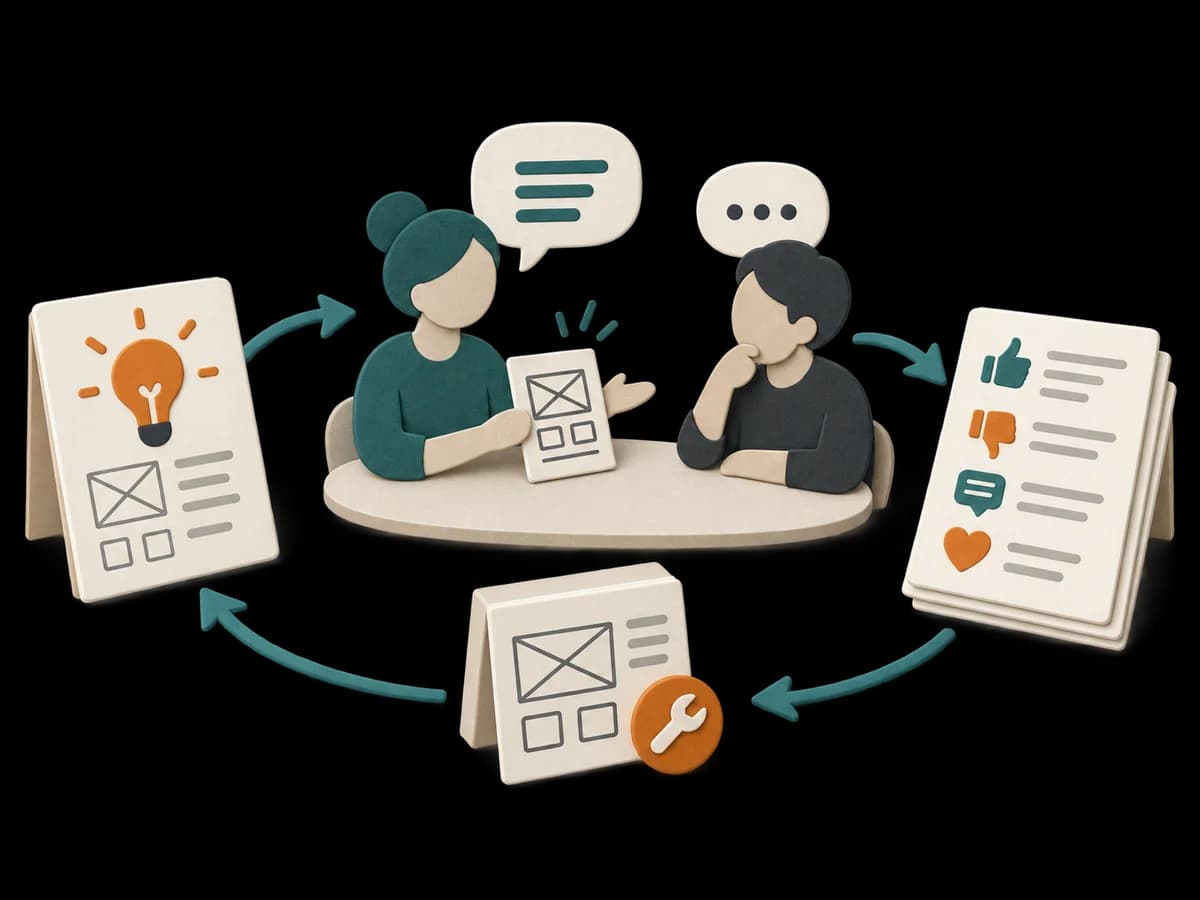 Product Discovery Solution Interview |
|---|---|---|---|---|
Purposedifferent | When features need to be distinguished by their effect on satisfaction, it makes expectations and surprises comparable. It separates basic needs, performance contribution, and delight. | When the product question is unclear and time pressure is high, the method takes a team from an open idea to a testable solution. It connects problem understanding, decision, and learning in one compact format, lowering the risk of spending a lot of energy on a mere guess. | When opportunities are still hidden behind signals of need, it structures conversations around needs and obstacles. It looks for patterns that lead to new product opportunities. | When a solution idea is already on the table, it checks how it is understood and evaluated. It looks for resonance, objections, and missing fit early in the conversation. |
Complexitydifferent | Medium | High | Medium | Medium |
Timedifferent | 1-2 Tage | 4-5 Tage | 30-60 min je Interview | 30-60 min je Interview |
Participantsdifferent | 10-50 | 5-8 | 5-12 Interviews | 5-10 Interviews |
Formatdifferent | Workshop + async | Workshop | Workshop + async | Workshop + async |
Outputdifferent | Kano Matrix, Feature Classes, Priority Themes | Prototype, Test Findings, Decision Rationale | Interview Notes, Opportunity Themes, Customer Quotes | Solution Feedback, Objection List, Validation Notes |
Tagsno overlap | SatisfactionPrioritizationCustomer | Design sprintPrototypeValidationInnovation | DiscoveryInterviewsOpportunityCustomer | ValidationInterviewsPrototype |