View methods side by side.
Choose up to four methods. Add them using the search and share the comparison by copying its link.
| Criterion | 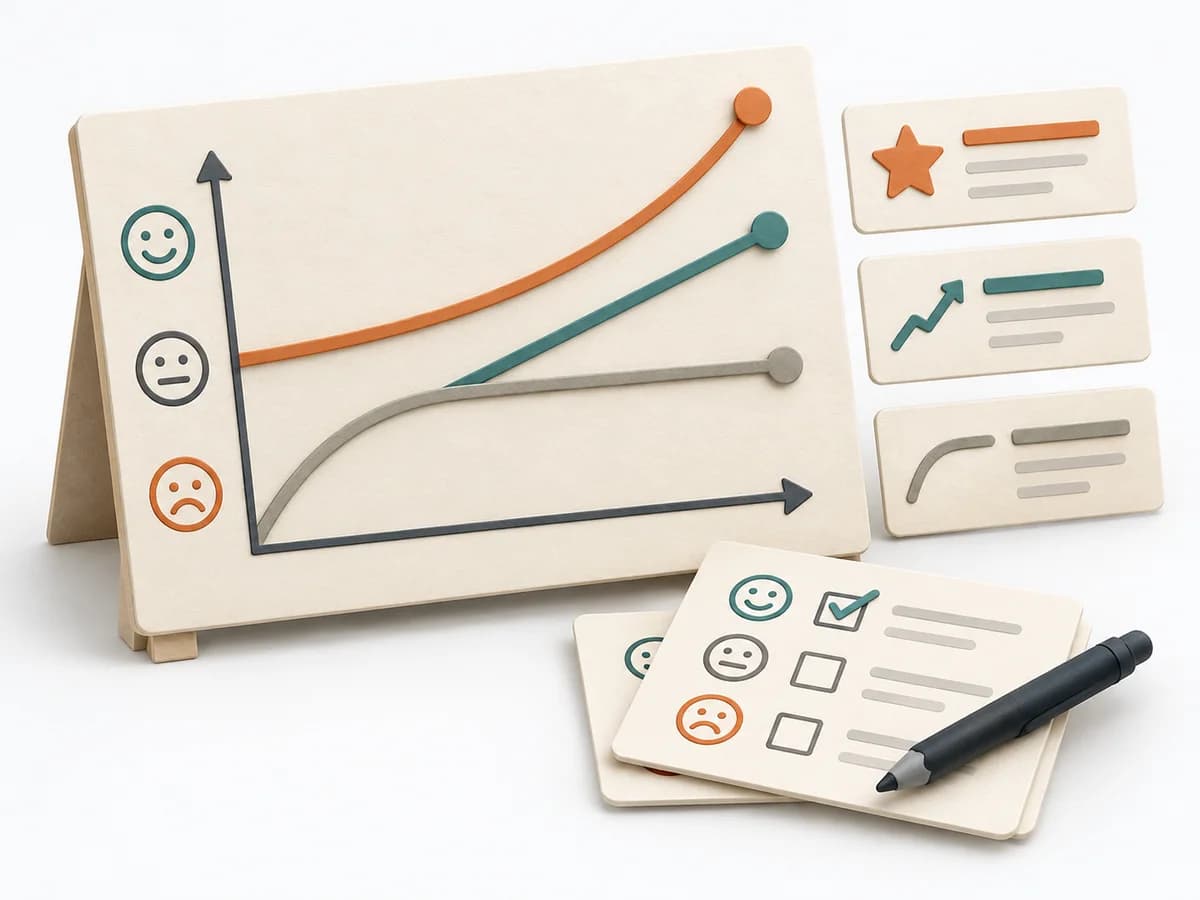 Product Discovery Kano Model |  Facilitation Alignment Mapping | 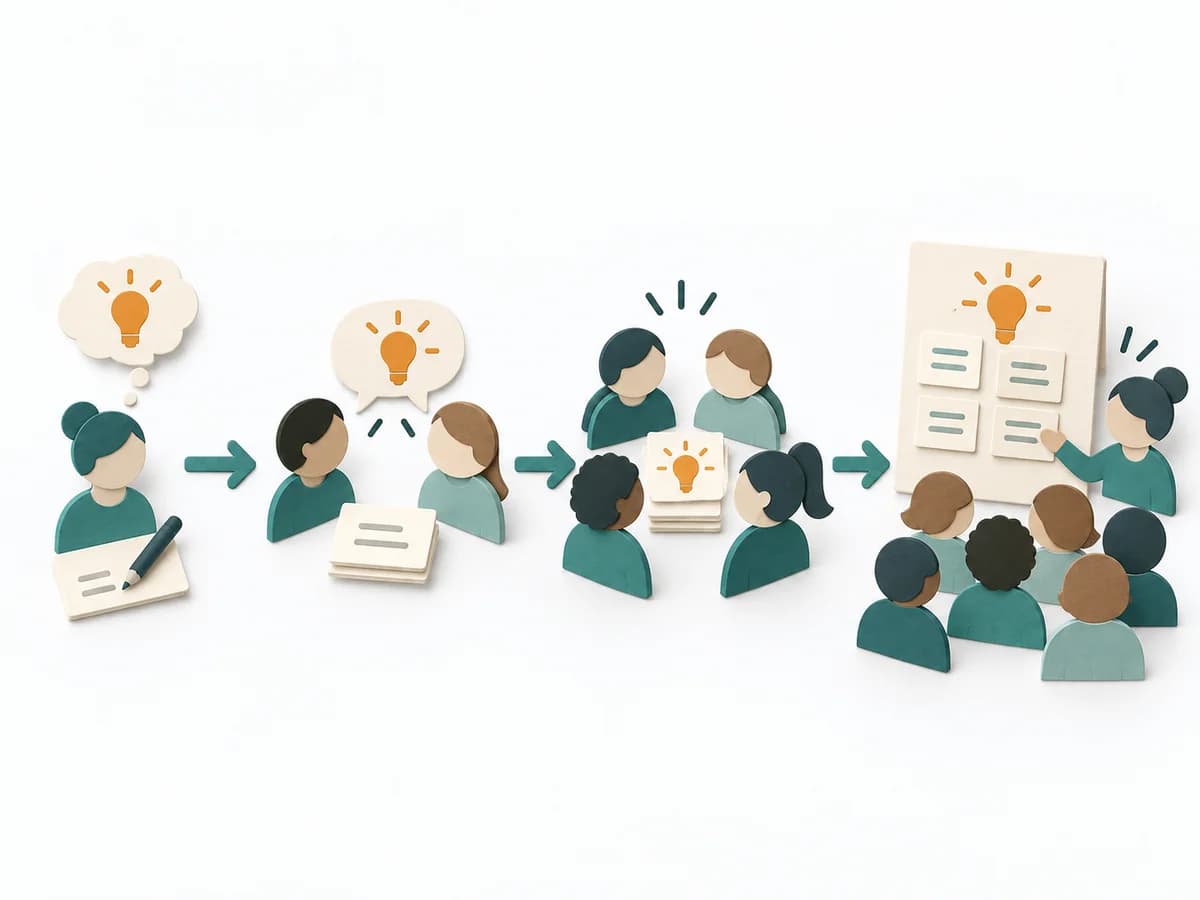 Facilitation 1-2-4-All |  Facilitation Stakeholder Mapping |
|---|---|---|---|---|
Purposedifferent | When features need to be distinguished by their effect on satisfaction, it makes expectations and surprises comparable. It separates basic needs, performance contribution, and delight. | When several people work toward one goal but hold different mental maps, Alignment Mapping makes the discrepancies visible. It arranges goals, assumptions, and priorities so shared direction becomes verifiable. | When many people in a group too rarely get to speak, 1-2-4-All distributes thinking time more fairly. The format builds participation step by step and makes quiet or still-unformed thoughts usable faster. | When an initiative depends on many people, interests, and power dynamics, Stakeholder Mapping systematically orders the environment. It shows who influences, who is affected, and where relationship management or safeguarding matters first. |
Complexitydifferent | Medium | Medium | Low | Low |
Timedifferent | 1-2 Tage | 1-2 h | 10-20 min | 60–90 min |
Participantsdifferent | 10-50 | 4-12 | 4-100+ | 2-8 |
Formatdifferent | Workshop + async | Workshop | Workshop | Workshop + async |
Outputdifferent | Kano Matrix, Feature Classes, Priority Themes | Alignment Map, Open Issues, Decision Questions | Idea List, Shared Insights, Emergent Themes | Stakeholder Map, Engagement Plan, Risk Notes |
Tagsno overlap | SatisfactionPrioritizationCustomer | AlignmentStakeholdersStrategyFacilitation | FacilitationInclusionIdeation | StakeholdersAlignmentFacilitationChange |