View methods side by side.
Choose up to four methods. Add them using the search and share the comparison by copying its link.
| Criterion | 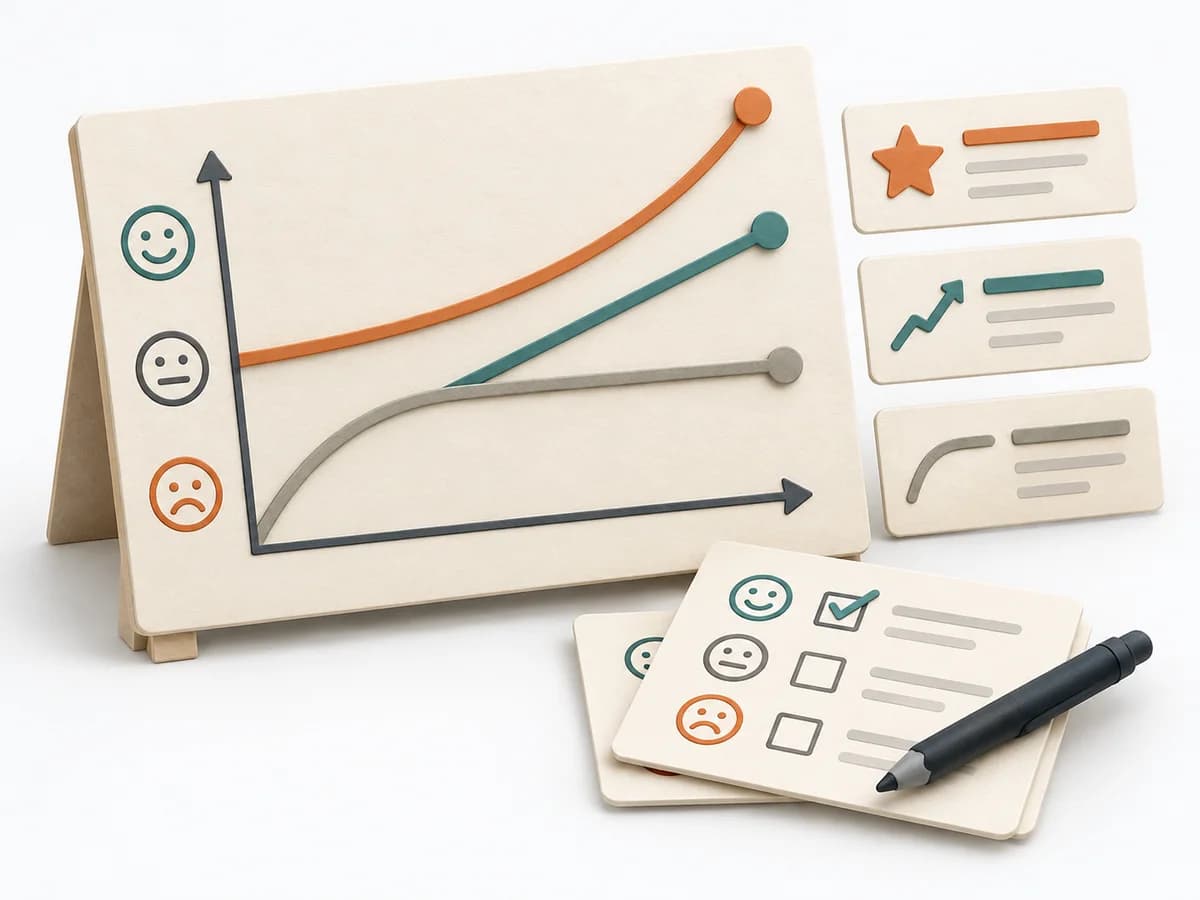 Product Discovery Kano Model | 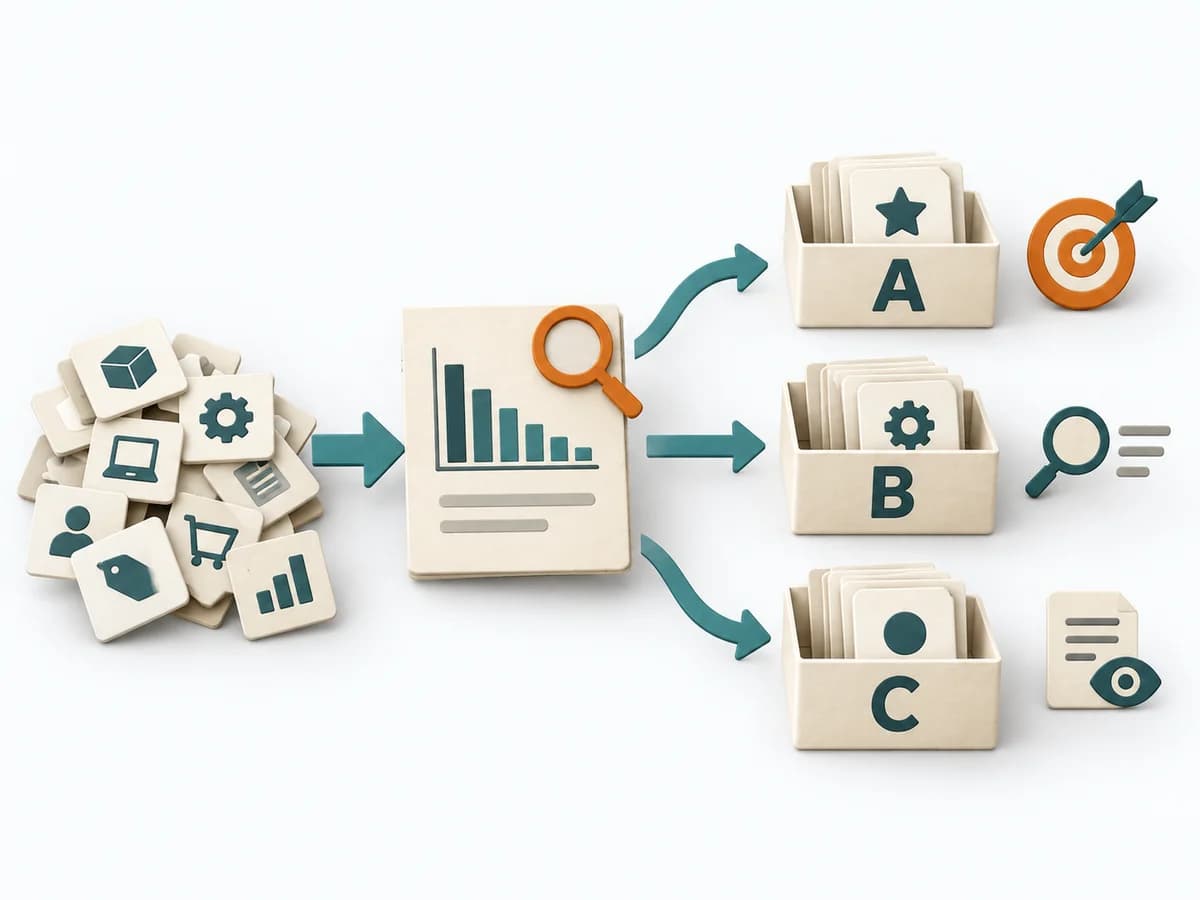 Operations ABC Analysis |  Domain Modeling Bounded Context Canvas | 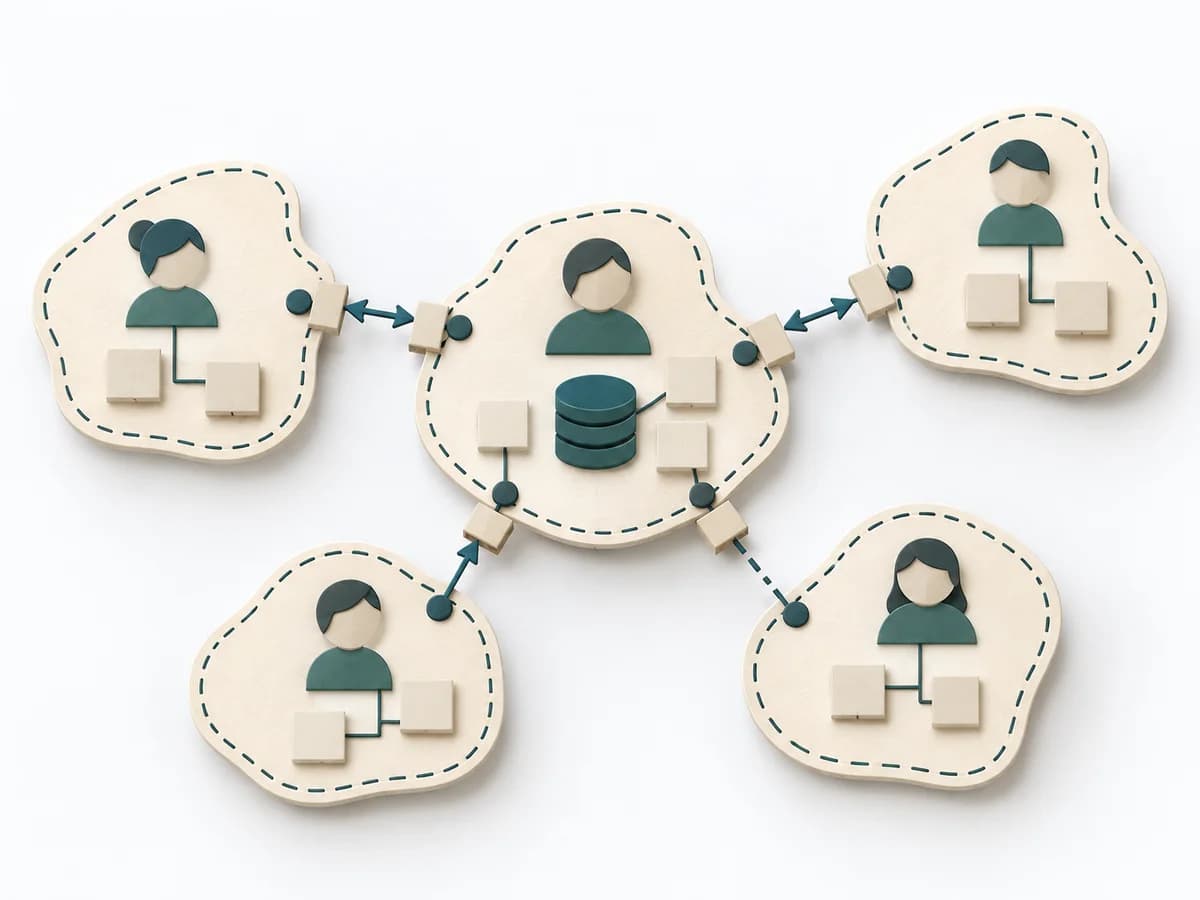 Domain Modeling Domain Context Map |
|---|---|---|---|---|
Purposedifferent | When features need to be distinguished by their effect on satisfaction, it makes expectations and surprises comparable. It separates basic needs, performance contribution, and delight. | With many similar objects of differing economic significance, the method prioritizes effort by effect. It separates what needs regular steering from what rarely needs attention. | When a business context is still loosely outlined, it shapes language, responsibility, and integration space. It clarifies what belongs together and where a boundary needs to hold. | When a domain model and its associated contexts need to be thought through together, it creates a shared overview. It connects the business view and organizational boundary into a readable whole. |
Complexitydifferent | Medium | Low | Medium | Medium |
Timedifferent | 1-2 Tage | 30-60 min | 1-3 h | 1-3 h |
Participantsdifferent | 10-50 | 1-5 | 3-8 | 3-10 |
Formatdifferent | Workshop + async | Async | Workshop + async | Workshop |
Outputdifferent | Kano Matrix, Feature Classes, Priority Themes | ABC Classification, Focus Rules, Control List | Context Canvas, Glossary, Integration Notes | Domain Context Map, Boundary Notes, Ownership Map |
Tagsno overlap | SatisfactionPrioritizationCustomer | PrioritizationOperationsPortfolio | Domain-Driven DesignBoundariesModeling | Domain-Driven DesignContextBoundaries |