View methods side by side.
Choose up to four methods. Add them using the search and share the comparison by copying its link.
| Criterion | 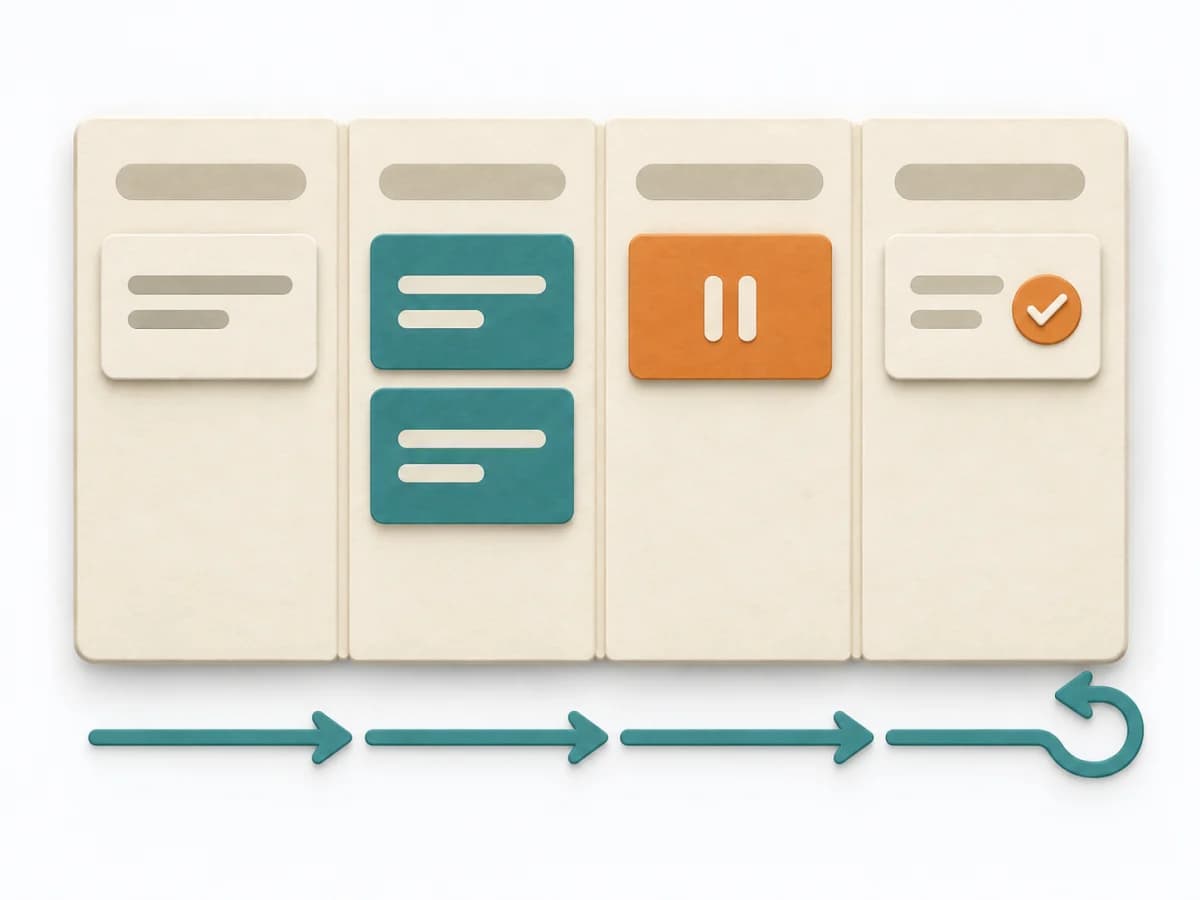 Engineering Kanban | 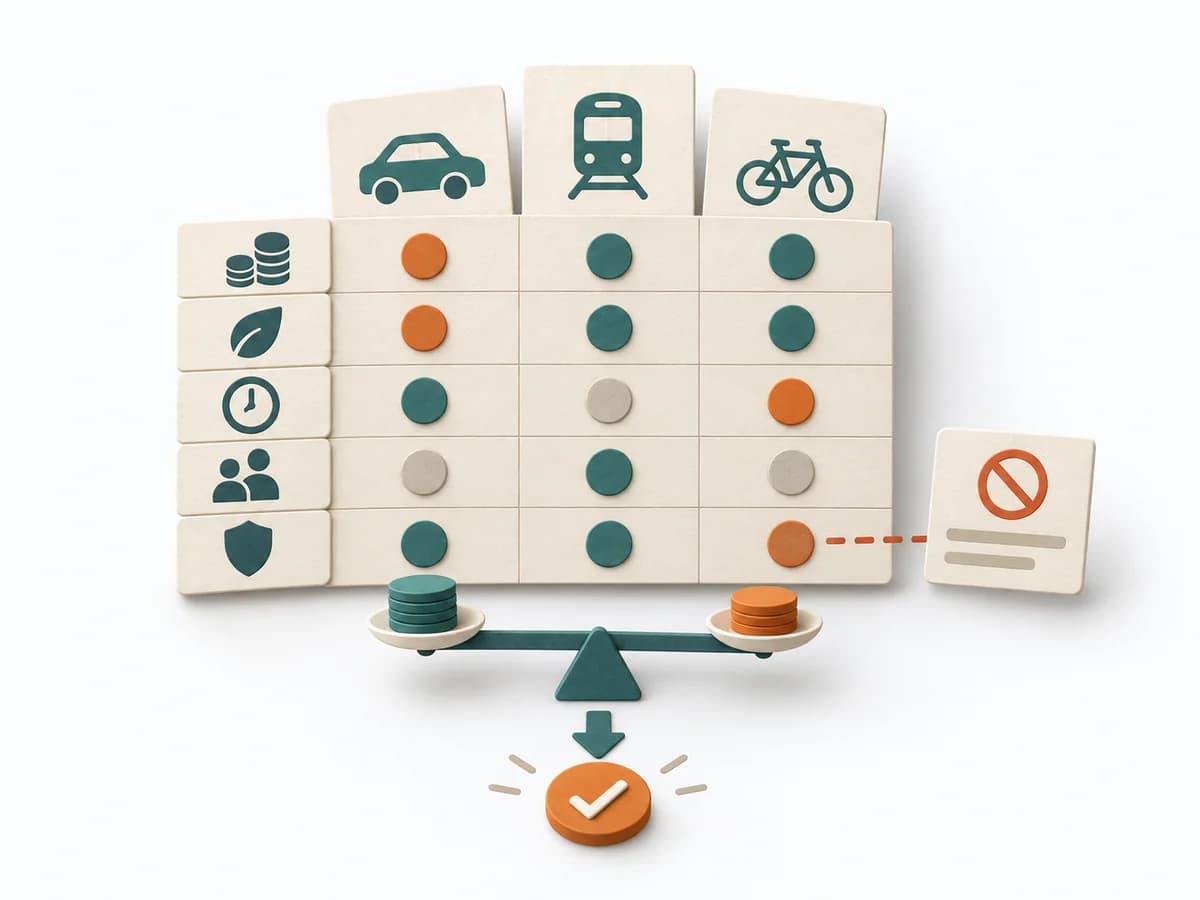 Decision Making Trade-off Analysis | 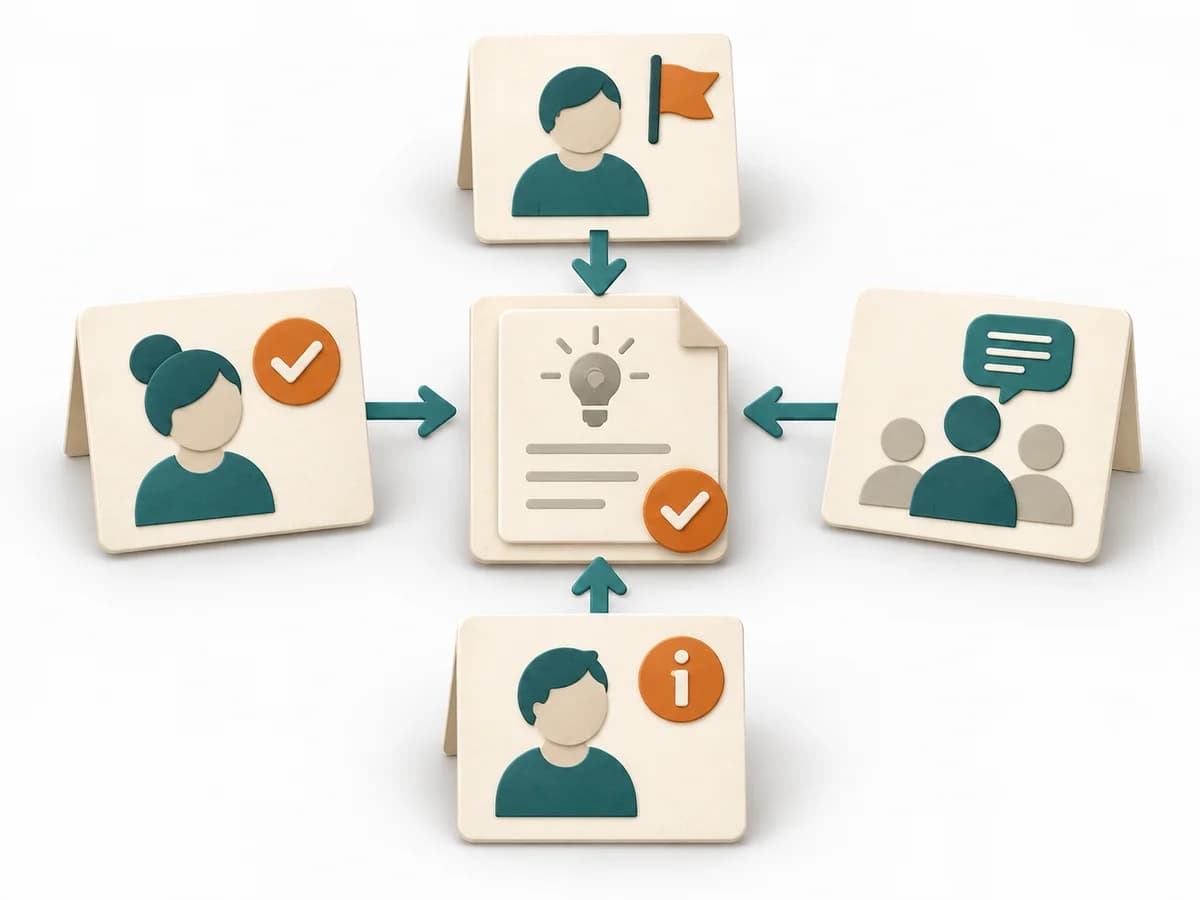 Decision Making DACI |  Decision Making RAPID |
|---|---|---|---|---|
Purposedifferent | When work sits in too many parallel streams, throughput suffers and no one sees the bottlenecks. Kanban makes the flow of work visible and limits overload so a system becomes calmer and more predictable. | With limited resources, quality, speed, cost, and risk almost always compete with each other. Trade-off Analysis makes these tensions explicit and prevents decisions from producing hidden side effects. | In cross-functional decisions, responsibilities quickly blur between approval, influence, and execution. DACI arranges these roles so decision pressure, contribution, and information stay cleanly separated. | In complex management decisions, clarity is often missing about who recommends, who agrees, and who makes the decision. RAPID creates this assignment and stabilizes decisions across several levels. |
Complexitydifferent | Medium | Medium | Low | Medium |
Timedifferent | Ongoing | 45-120 min | 30-60 min | 45-90 min |
Participantsdifferent | 2-12 | 2-8 | 2-10 | 3-12 |
Formatsame | Workshop + async | Workshop + async | Workshop + async | Workshop + async |
Outputdifferent | Kanban board, WIP policies, Flow metrics | Trade-off Matrix, Criteria List, Decision Rationale, Accepted Downsides | DACI Matrix, Decision Owner, Decision Log | RAPID Role Map, Recommendation, Decision Log |
Tagsno overlap | FlowVisual managementDelivery | TradeoffsDecisionCriteriaOptions | DecisionRolesGovernanceAlignment | DecisionRolesGovernance |