View methods side by side.
Choose up to four methods. Add them using the search and share the comparison by copying its link.
| Criterion | 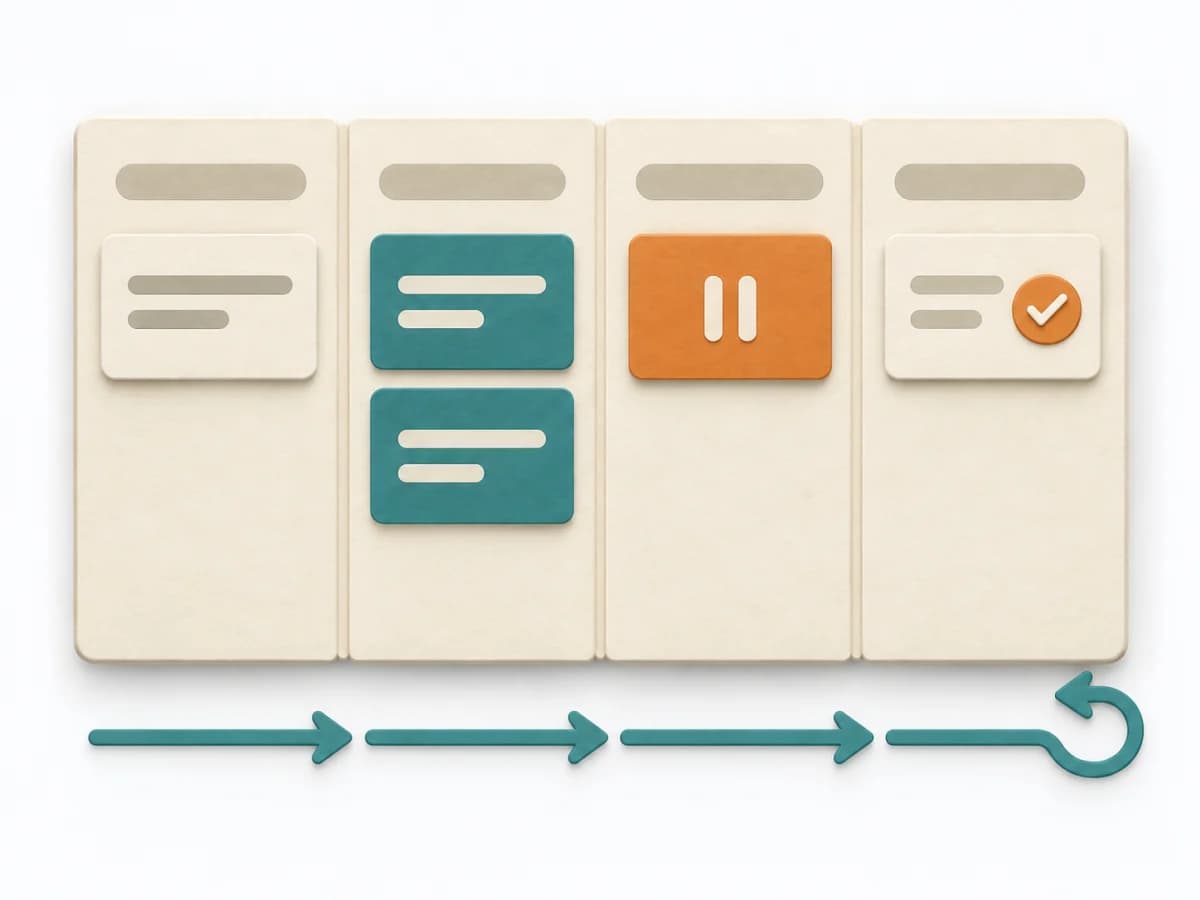 Engineering Kanban | 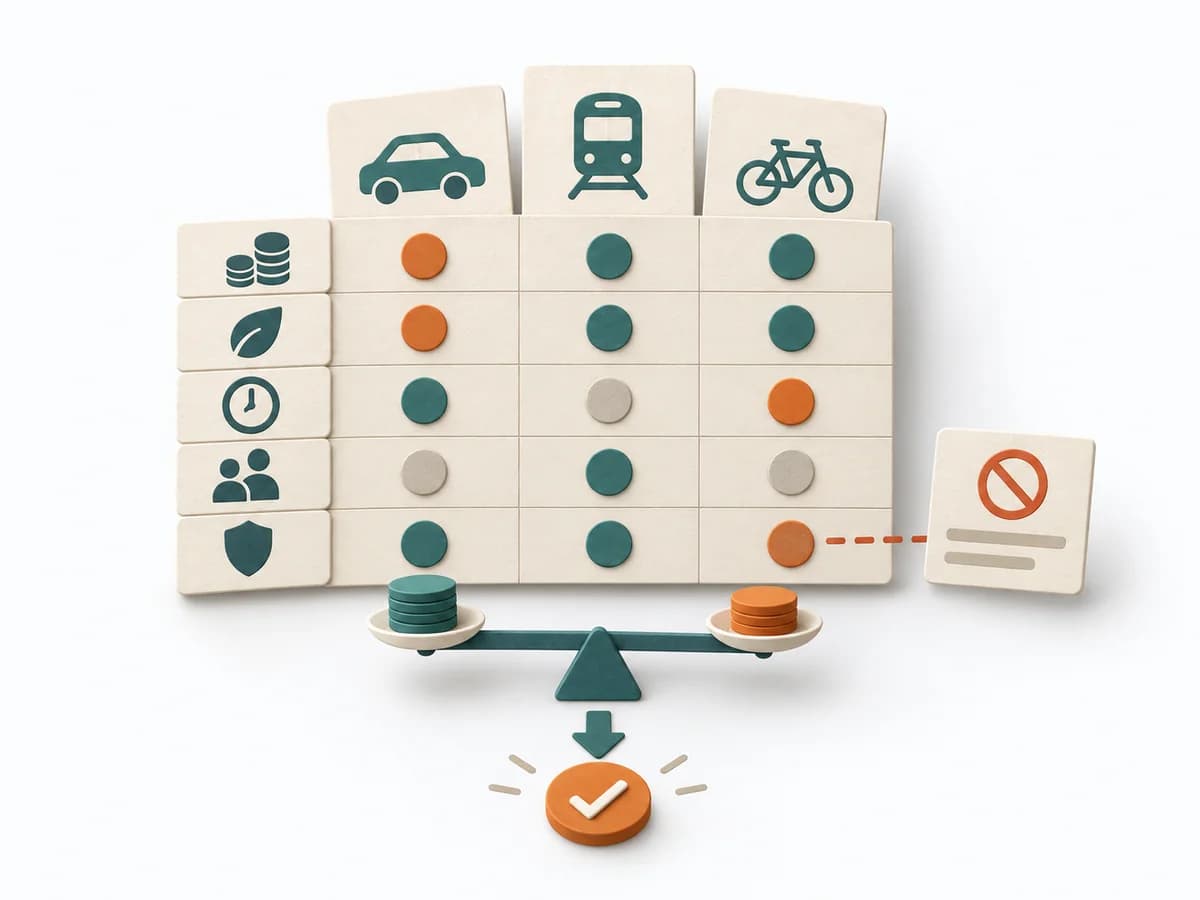 Decision Making Trade-off Analysis |  DevOps Blameless Postmortem |  Decision Making Constraint Analysis |
|---|---|---|---|---|
Purposedifferent | When work sits in too many parallel streams, throughput suffers and no one sees the bottlenecks. Kanban makes the flow of work visible and limits overload so a system becomes calmer and more predictable. | With limited resources, quality, speed, cost, and risk almost always compete with each other. Trade-off Analysis makes these tensions explicit and prevents decisions from producing hidden side effects. | After an incident with damage or a near miss, the method creates a sober field for learning without assigning blame. It directs attention to the course of events, conditions, and effective countermeasures. | When an initiative stalls, the limit often lies not in the idea but in hard or soft boundary conditions. Constraint Analysis separates these limits and shows which of them can actually be shaped. |
Complexitydifferent | Medium | Medium | Medium | Low |
Timedifferent | Ongoing | 45-120 min | 30-90 min | 30-90 min |
Participantsdifferent | 2-12 | 2-8 | 3-12 | 2-8 |
Formatsame | Workshop + async | Workshop + async | Workshop + async | Workshop + async |
Outputdifferent | Kanban board, WIP policies, Flow metrics | Trade-off Matrix, Criteria List, Decision Rationale, Accepted Downsides | Postmortem Doc, Action Items, Timeline | Constraint List, Hard/Soft Classification, Option Impact Notes, Decision Boundaries |
Tagsno overlap | FlowVisual managementDelivery | TradeoffsDecisionCriteriaOptions | Site Reliability EngineeringIncidentLearningReliability | ConstraintsDecisionPlanningOptions |