View methods side by side.
Choose up to four methods. Add them using the search and share the comparison by copying its link.
| Criterion | 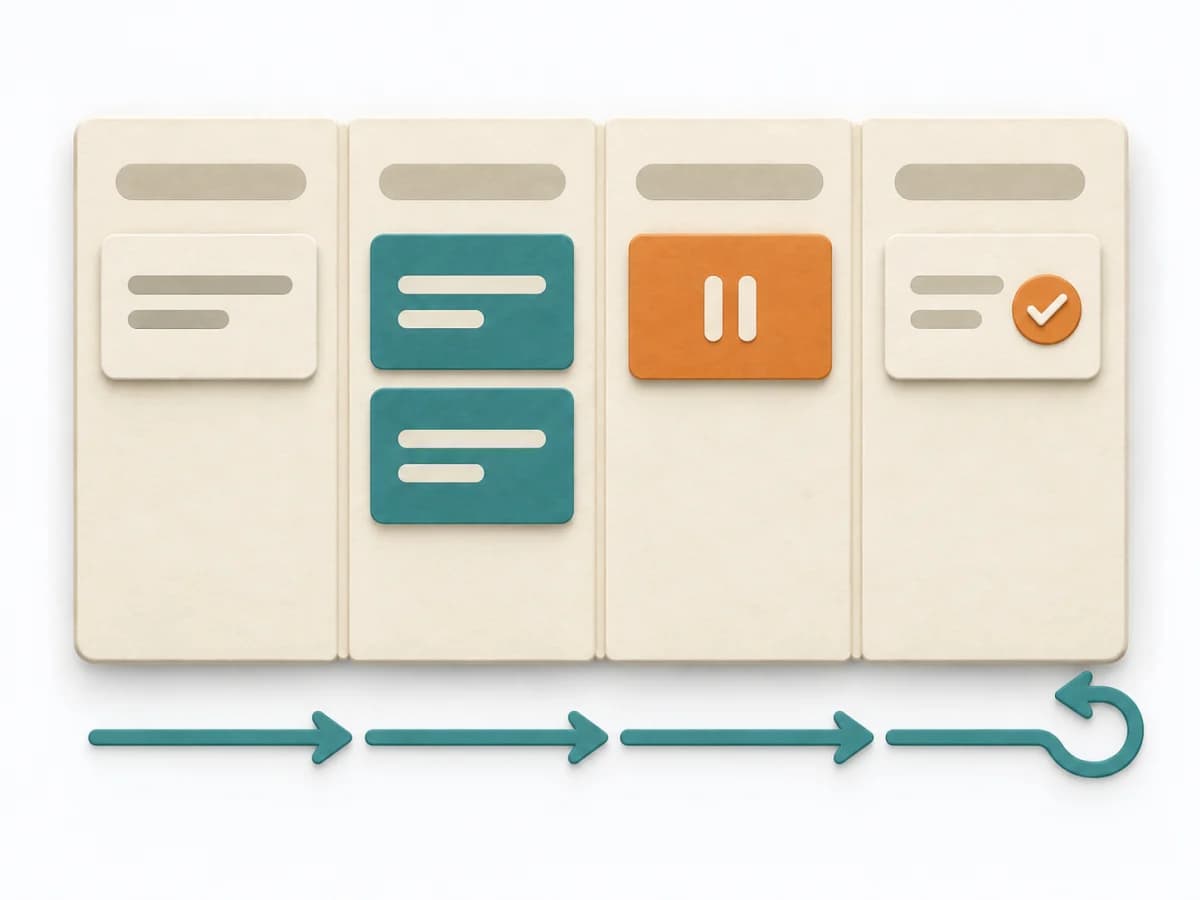 Engineering Kanban |  Product Strategy DIBB | 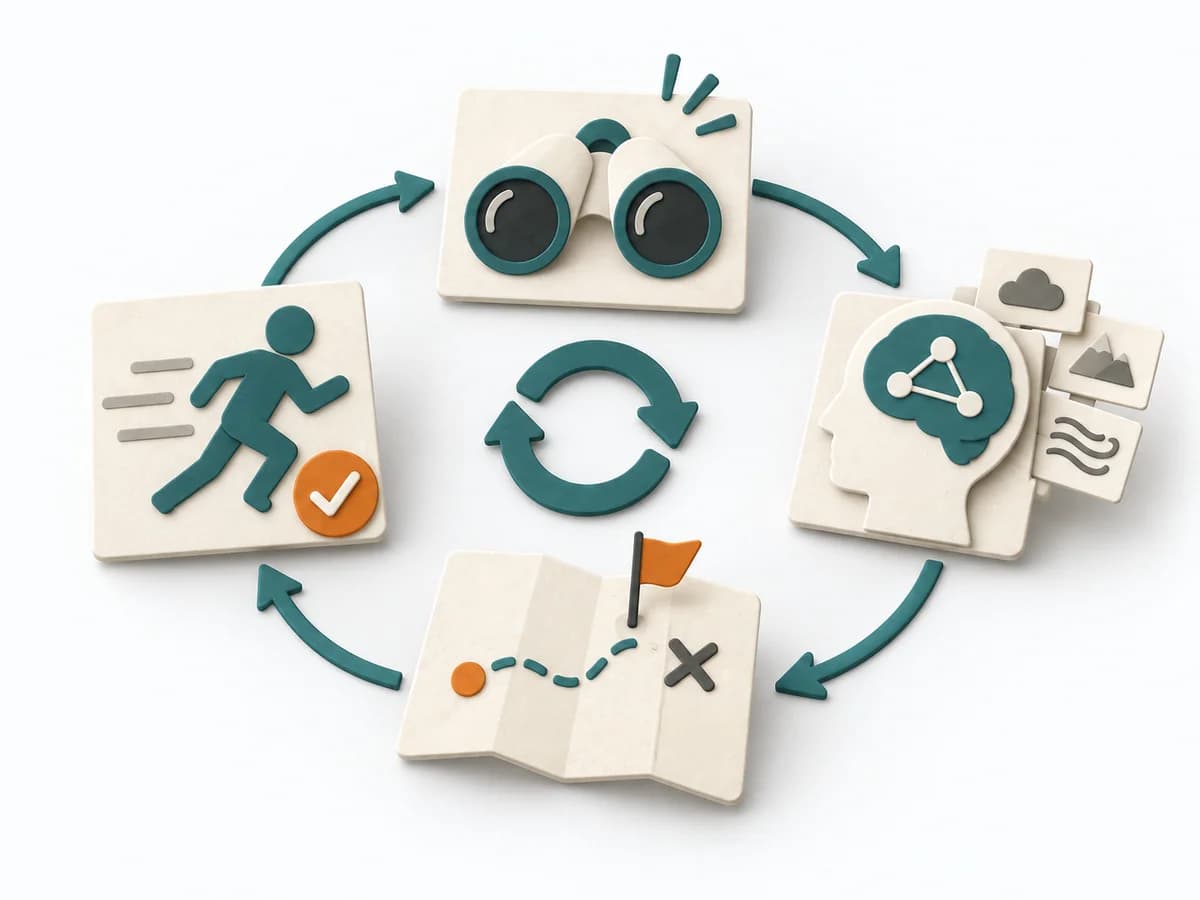 Decision Making OODA Loop | 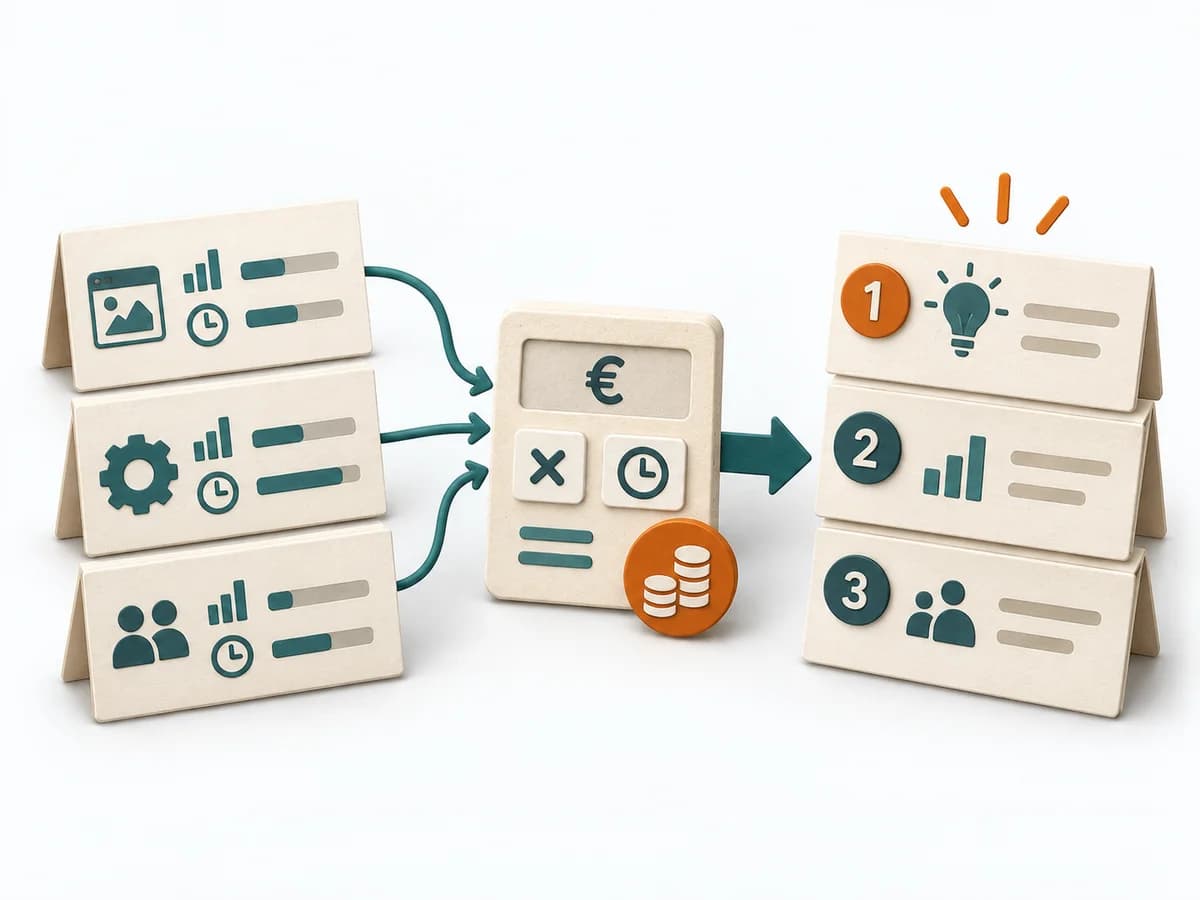 Delivery Cost of Delay |
|---|---|---|---|---|
Purposedifferent | When work sits in too many parallel streams, throughput suffers and no one sees the bottlenecks. Kanban makes the flow of work visible and limits overload so a system becomes calmer and more predictable. | DIBB helps clarify target groups, value, goals, and priorities by making the logic behind a decision explicit. It captures results as a DIBB document, belief list, bet list, and learning report. | In dynamic situations, decisions become outdated faster than they can be prepared. The OODA Loop holds observing, orienting, deciding, and acting together as a recurring rhythm so reaction does not slide into inertia. | Helps clarify scope, order, and delivery flow in concrete terms. It makes work, constraints, and sequence manageable. The result is captured as a Cost of Delay table and prioritization sequence. |
Complexitydifferent | Medium | Low | Medium | High |
Timedifferent | Ongoing | 1-2 h | 15-60 min je Zyklus | 90-180 min |
Participantsdifferent | 2-12 | 2-8 | 1-8 | 3-8 |
Formatdifferent | Workshop + async | Workshop + async | Workshop + async | Workshop |
Outputdifferent | Kanban board, WIP policies, Flow metrics | DIBB document, Belief list, Bet list, Learning report | Situation Assessment, Decision Loop, Action Updates | CoD Table, Prioritization Sequence |
Tagsno overlap | FlowVisual managementDelivery | StrategyDecisionAssumptionsHypothesis | DecisionChangeLearningStrategy | PrioritizationDeliveryEconomicsDecision |