View methods side by side.
Choose up to four methods. Add them using the search and share the comparison by copying its link.
| Criterion | 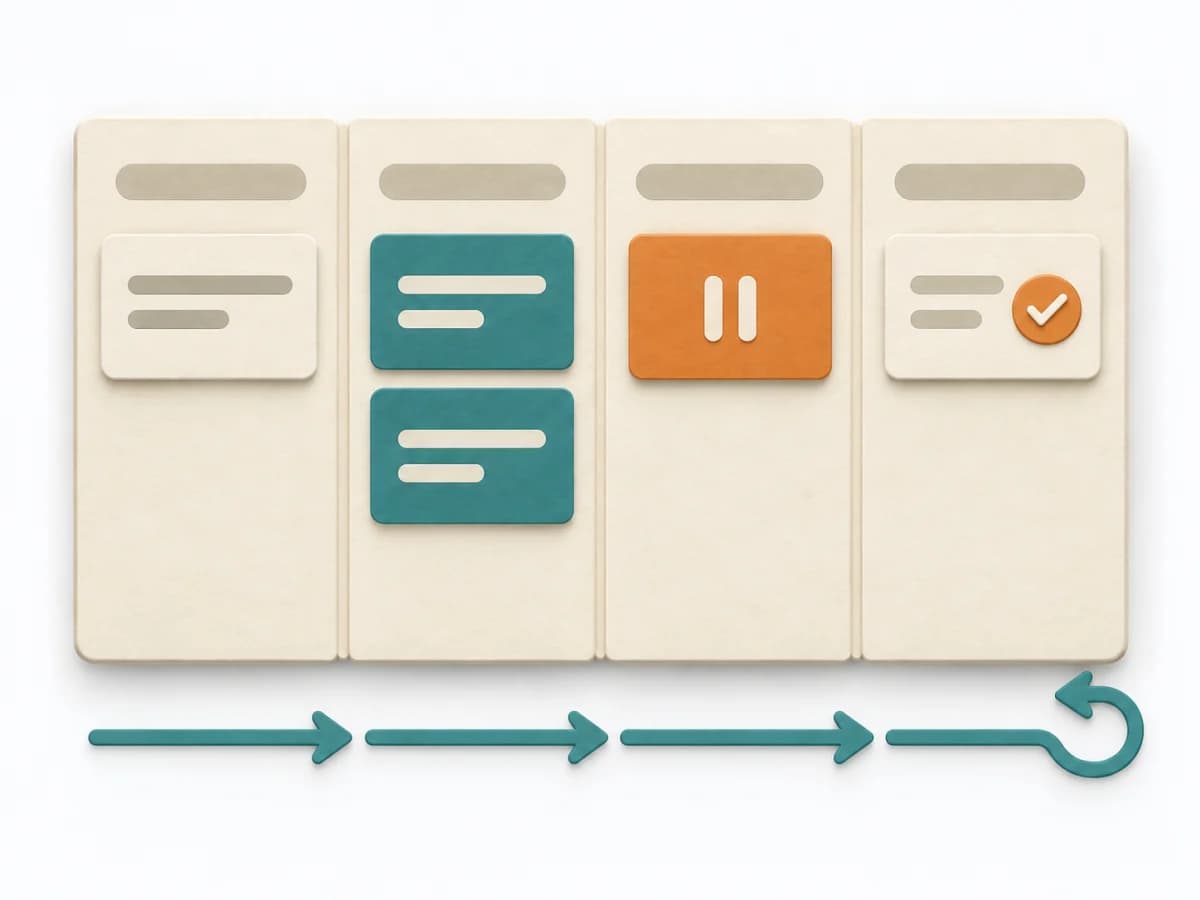 Engineering Kanban | 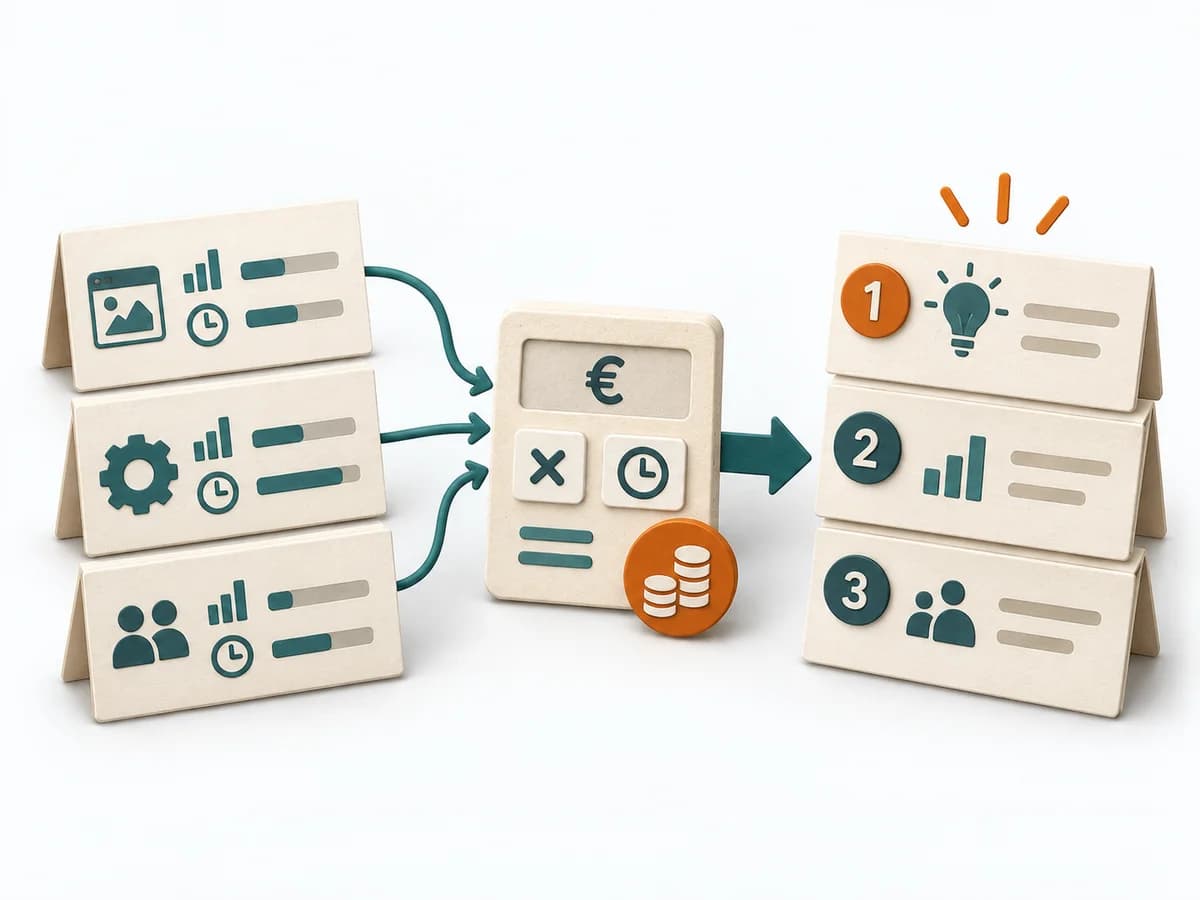 Delivery Cost of Delay | 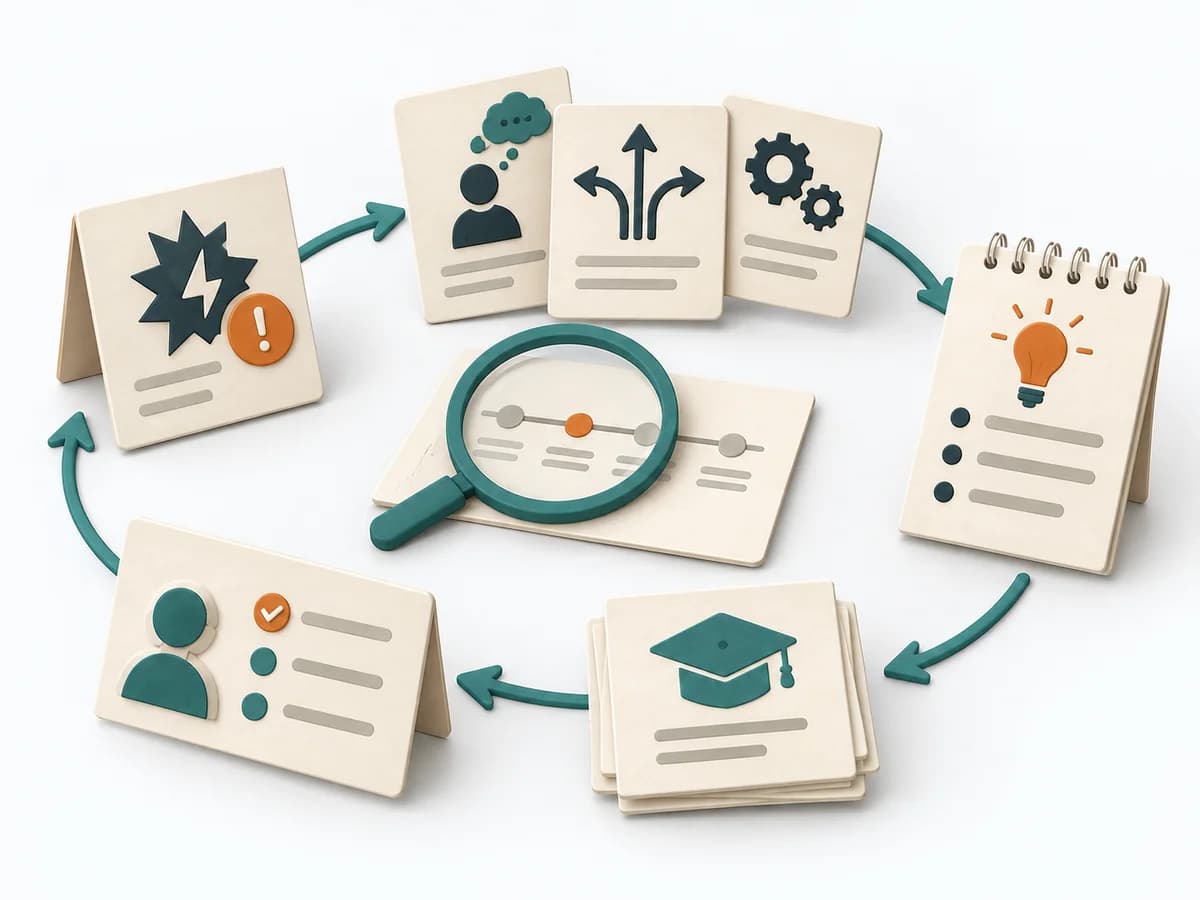 Operations Learning Review |  Operations After-Action Review |
|---|---|---|---|---|
Purposedifferent | When work sits in too many parallel streams, throughput suffers and no one sees the bottlenecks. Kanban makes the flow of work visible and limits overload so a system becomes calmer and more predictable. | Helps clarify scope, order, and delivery flow in concrete terms. It makes work, constraints, and sequence manageable. The result is captured as a Cost of Delay table and prioritization sequence. | After a project phase with mixed results, the method makes learning from the individual case reusable. It connects events, decisions, and systemic conditions into robust insights. | After missions or project phases with unclear outcomes, the method makes visible what actually happened and what can be learned from it. It separates course, effect, and causes so experience turns into solid improvement. |
Complexitydifferent | Medium | High | Medium | Low |
Timedifferent | Ongoing | 90-180 min | 1-3 h | 20-45 min |
Participantsdifferent | 2-12 | 3-8 | 3-10 | 3-12 |
Formatdifferent | Workshop + async | Workshop | Workshop | Workshop + async |
Outputdifferent | Kanban board, WIP policies, Flow metrics | CoD Table, Prioritization Sequence | Learning Review Notes, System Factors, Improvement Actions | Lessons learned, Action items, Event summary |
Tagsno overlap | FlowVisual managementDelivery | PrioritizationDeliveryEconomicsDecision | LearningRetrospectiveIncidentOperations | LearningOperationsImprovement |