View methods side by side.
Choose up to four methods. Add them using the search and share the comparison by copying its link.
| Criterion | 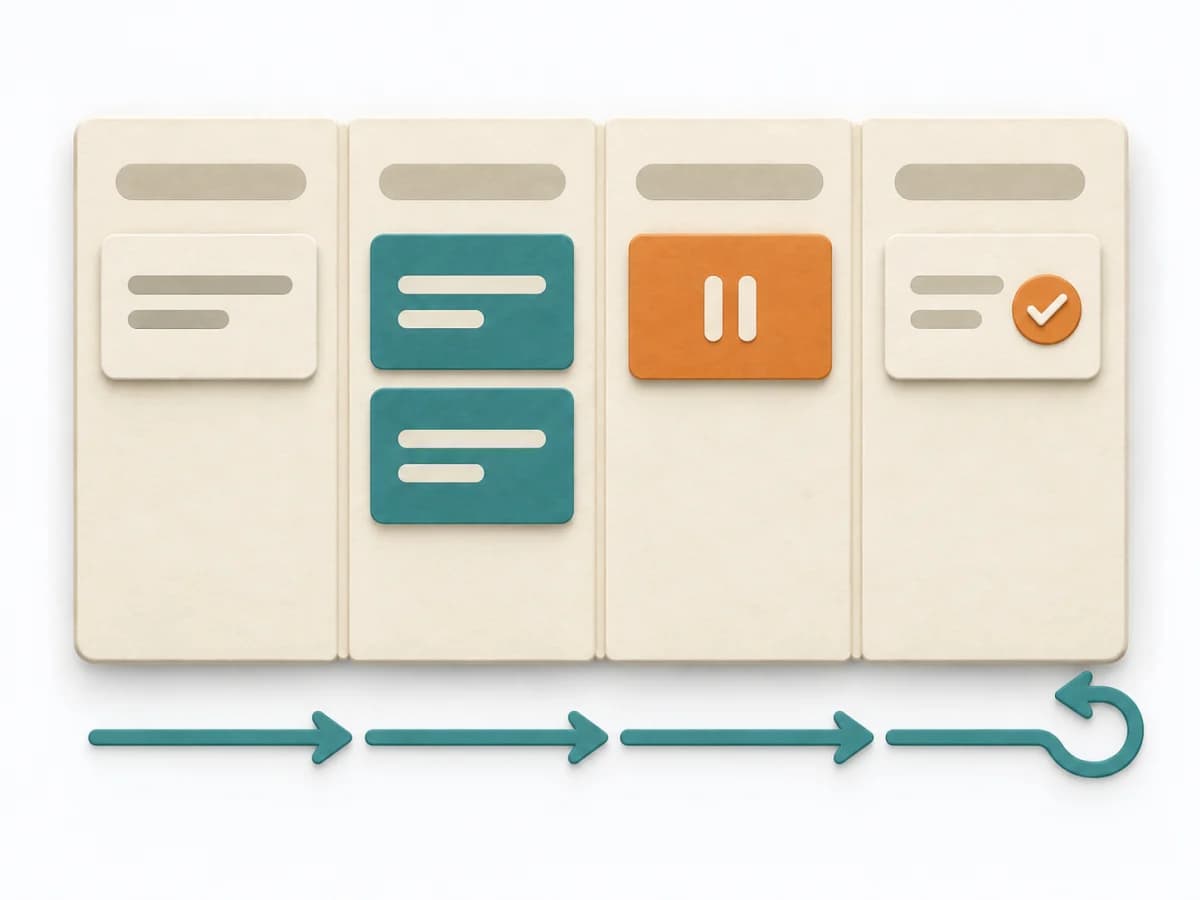 Engineering Kanban | 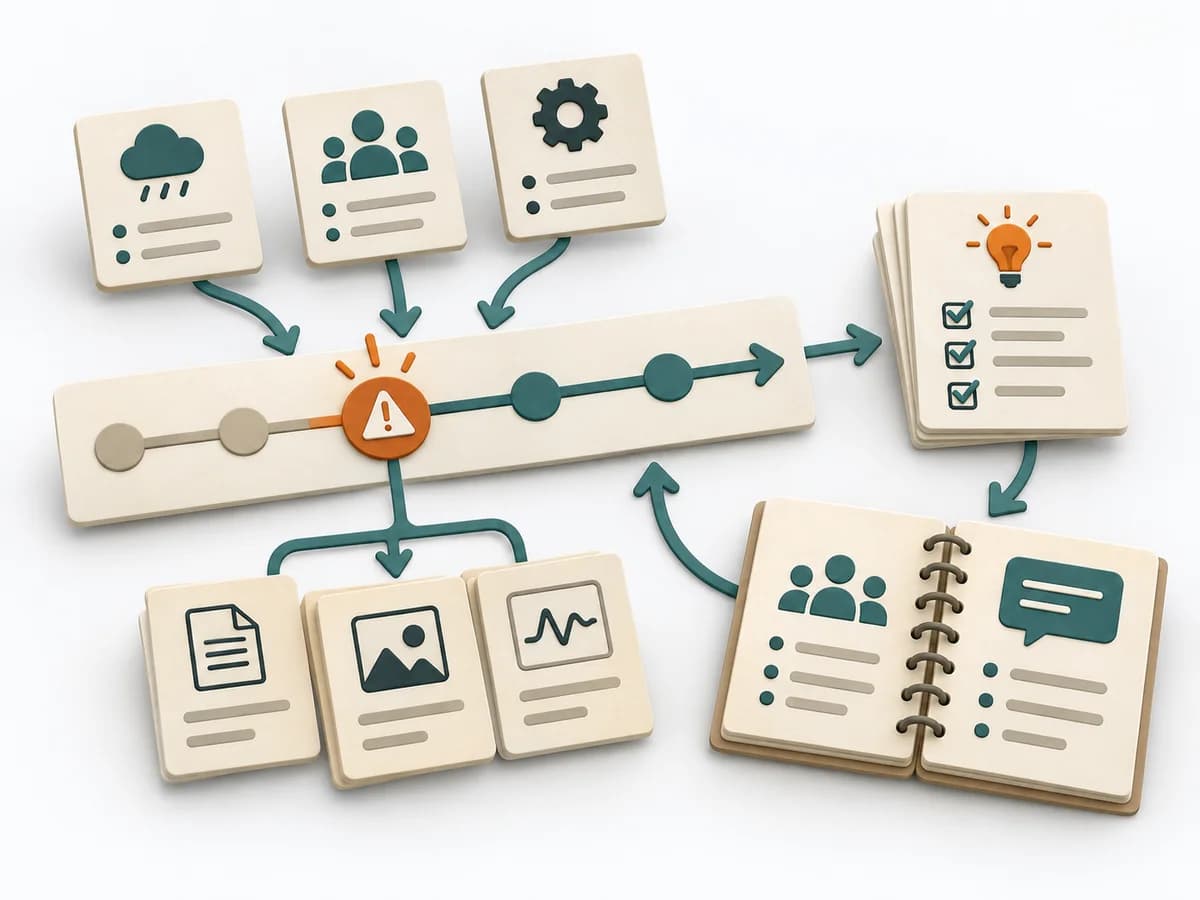 DevOps Blameless Postmortem | 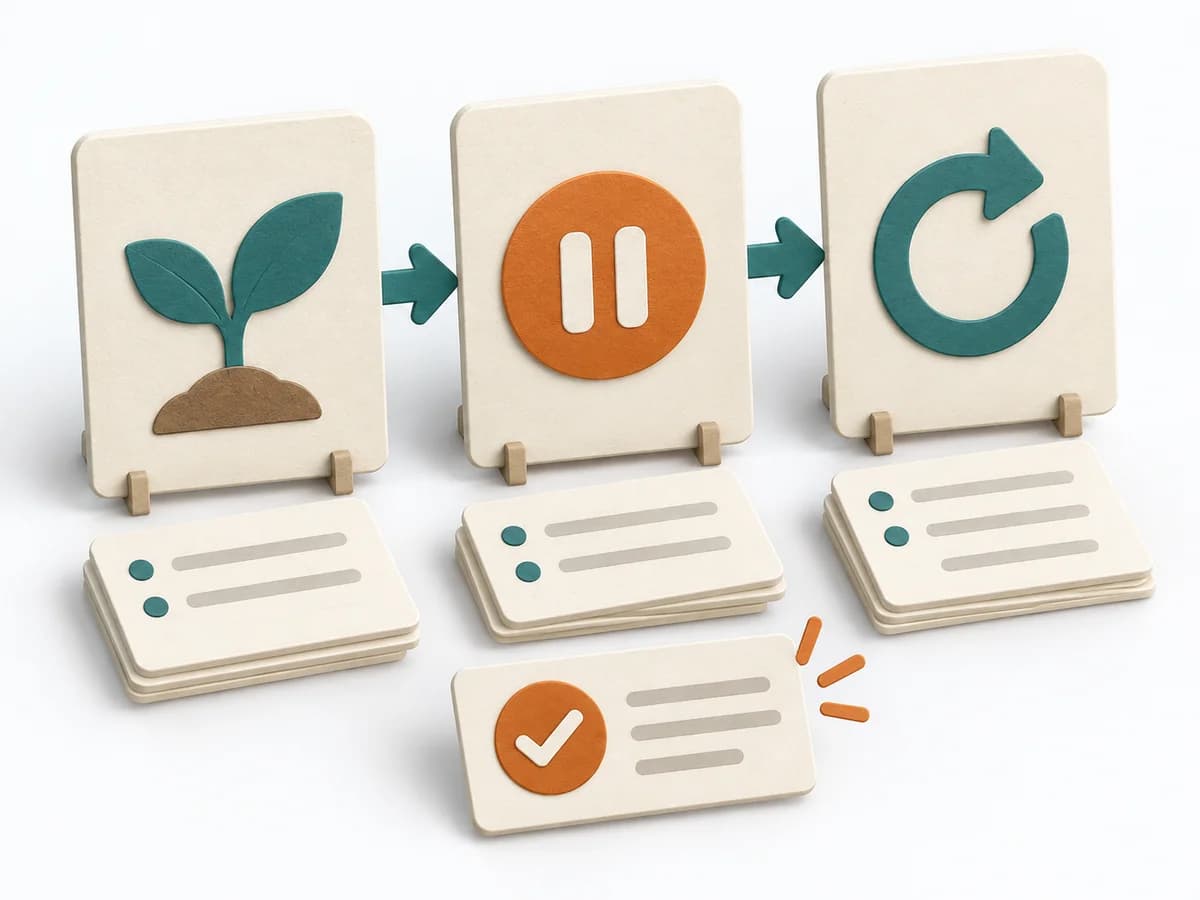 Agile Start Stop Continue | 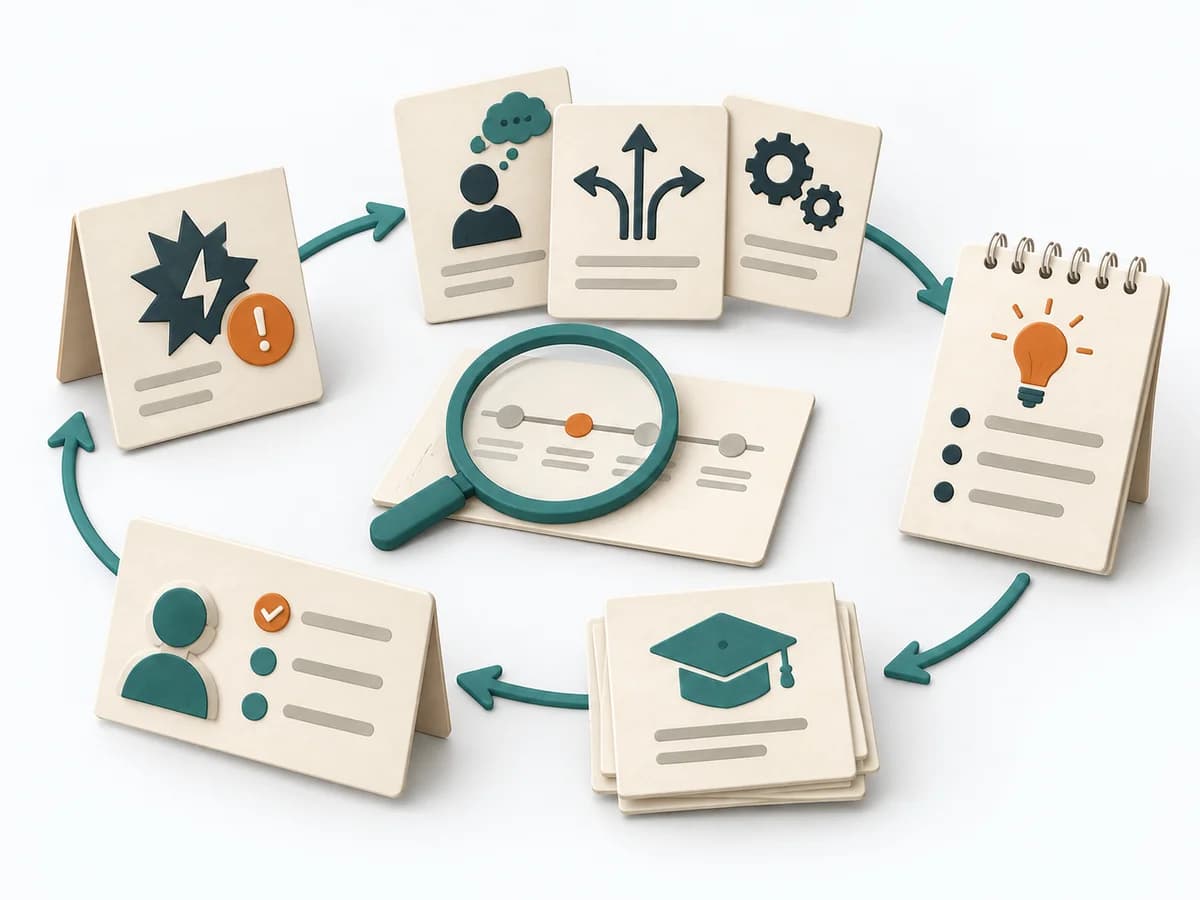 Operations Learning Review |
|---|---|---|---|---|
Purposedifferent | When work sits in too many parallel streams, throughput suffers and no one sees the bottlenecks. Kanban makes the flow of work visible and limits overload so a system becomes calmer and more predictable. | After an incident with damage or a near miss, the method creates a sober field for learning without assigning blame. It directs attention to the course of events, conditions, and effective countermeasures. | When a team wants to deliberately adjust its working behavior, it makes habits visible and assessable. It focuses on concrete changes instead of diffuse mood. | After a project phase with mixed results, the method makes learning from the individual case reusable. It connects events, decisions, and systemic conditions into robust insights. |
Complexitydifferent | Medium | Medium | Low | Medium |
Timedifferent | Ongoing | 30-90 min | 30-60 min | 1-3 h |
Participantsdifferent | 2-12 | 3-12 | 3-12 | 3-10 |
Formatdifferent | Workshop + async | Workshop + async | Workshop | Workshop |
Outputdifferent | Kanban board, WIP policies, Flow metrics | Postmortem Doc, Action Items, Timeline | Start Stop Continue Board, Improvement Actions | Learning Review Notes, System Factors, Improvement Actions |
Tagsno overlap | FlowVisual managementDelivery | Site Reliability EngineeringIncidentLearningReliability | RetrospectiveImprovementTeamReflection | LearningRetrospectiveIncidentOperations |