View methods side by side.
Choose up to four methods. Add them using the search and share the comparison by copying its link.
| Criterion | 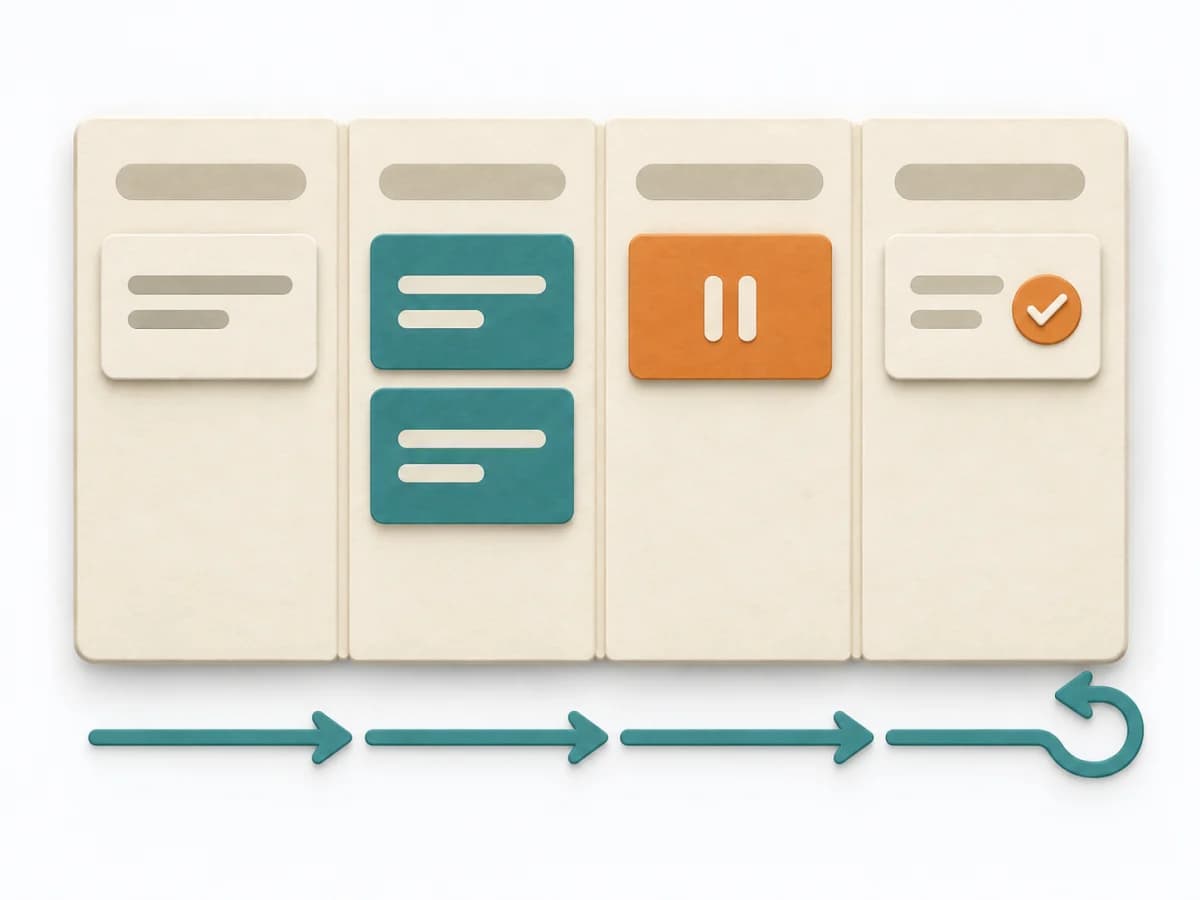 Engineering Kanban |  Facilitation Alignment Mapping | 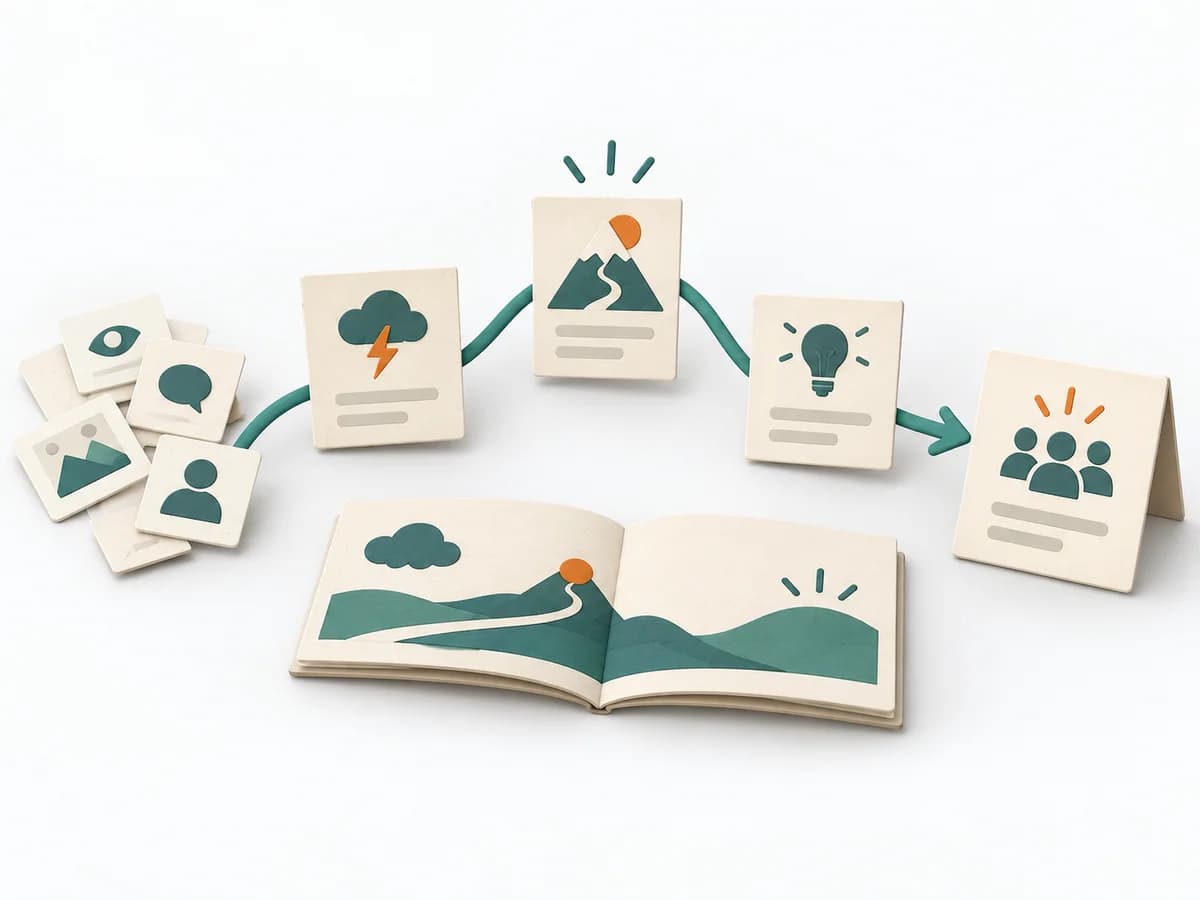 Facilitation Storytelling |  Facilitation Stakeholder Mapping |
|---|---|---|---|---|
Purposedifferent | When work sits in too many parallel streams, throughput suffers and no one sees the bottlenecks. Kanban makes the flow of work visible and limits overload so a system becomes calmer and more predictable. | When several people work toward one goal but hold different mental maps, Alignment Mapping makes the discrepancies visible. It arranges goals, assumptions, and priorities so shared direction becomes verifiable. | When an insight needs to have an effect, storytelling translates dry facts into a comprehensible development. It combines context, tension, and consequence into a form that people remember and pass on more easily. | When an initiative depends on many people, interests, and power dynamics, Stakeholder Mapping systematically orders the environment. It shows who influences, who is affected, and where relationship management or safeguarding matters first. |
Complexitydifferent | Medium | Medium | Medium | Low |
Timedifferent | Ongoing | 1-2 h | 45-120 min | 60–90 min |
Participantsdifferent | 2-12 | 4-12 | 1-6 | 2-8 |
Formatdifferent | Workshop + async | Workshop | Workshop + async | Workshop + async |
Outputdifferent | Kanban board, WIP policies, Flow metrics | Alignment Map, Open Issues, Decision Questions | Narrative Outline, Key Message, Story Arc | Stakeholder Map, Engagement Plan, Risk Notes |
Tagsno overlap | FlowVisual managementDelivery | AlignmentStakeholdersStrategyFacilitation | CommunicationNarrativeStakeholdersFacilitation | StakeholdersAlignmentFacilitationChange |