View methods side by side.
Choose up to four methods. Add them using the search and share the comparison by copying its link.
| Criterion | 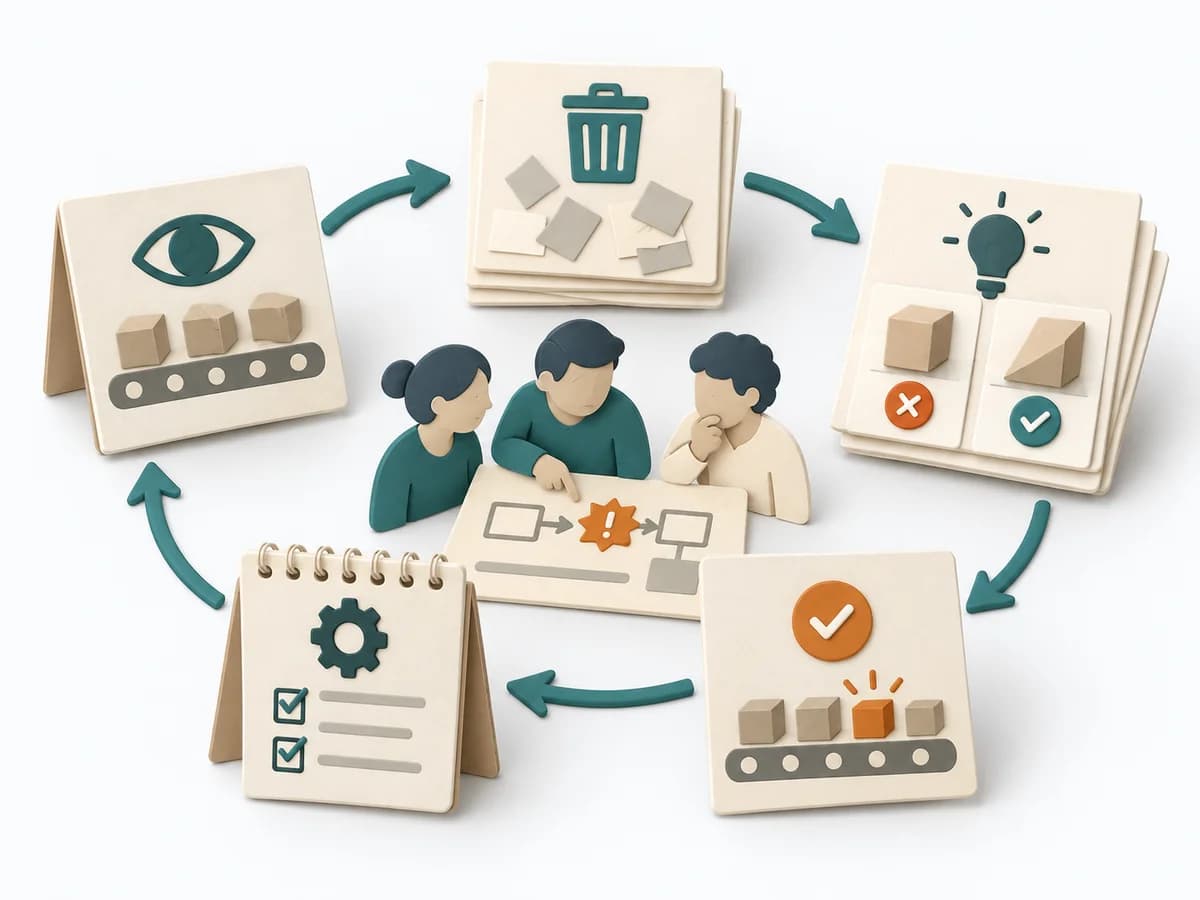 Operations Kaizen Event | 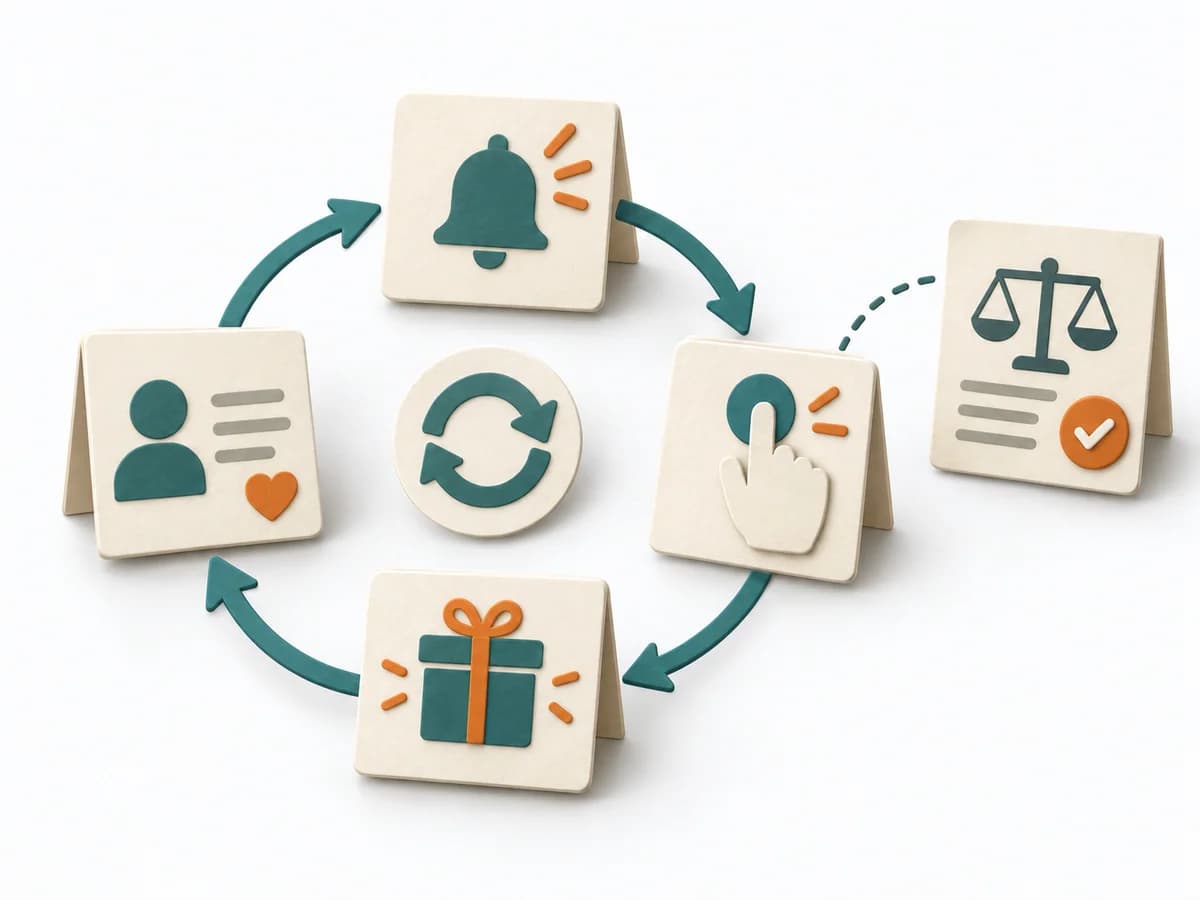 Growth Hooked Model |  Product Discovery Assumption Mapping | 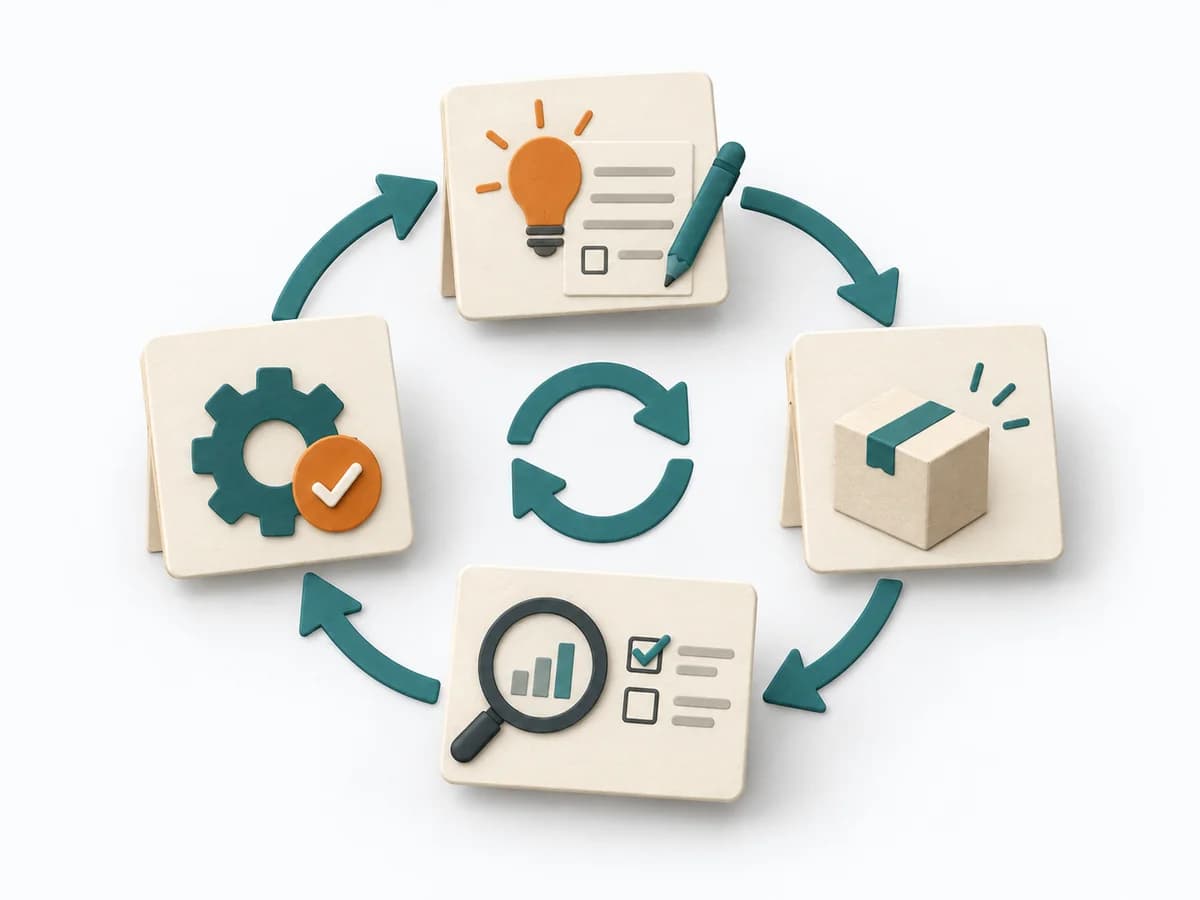 Operations PDCA Cycle |
|---|---|---|---|---|
Purposedifferent | For a tightly scoped process segment with noticeable waste, the method bundles shared energy for change. It suits situations that call for fast learning loops and visible adjustments. | The Hooked Model helps clarify engagement loops, user behavior, and experiments. It makes repeat behavior measurable and captures the result as a hooked loop, trigger map, and reward design. | When assumptions still sit unordered in the room, it weighs uncertainty against leverage. It makes visible which hypotheses should be checked first. | For an improvement that still has to prove itself in everyday work, the method runs it through small learning loops. It connects planning, checking, and standardization into a repeatable learning mode. |
Complexitydifferent | Medium | Medium | Medium | Low |
Timedifferent | 0.5-5 Tage | Multiple workshops over several weeks | 45-60 min | 1 h bis mehrere Wochen |
Participantsdifferent | 4-10 | 2-8 | 2-8 | 1-8 |
Formatdifferent | Workshop | Workshop + async | Workshop + async | Workshop + async |
Outputdifferent | Kaizen Charter, Waste List, Improvement Experiments, Standard Work Update | Hooked loop, Trigger map, Reward design, Ethics check | Assumption map, Test backlog, Risk ranking | PDCA Log, Experiment Plan, Learning Outcome, Standard Change |
Tagsno overlap | LeanContinuous improvementOperations | GrowthBehaviorRetention | AssumptionsRiskExperimentsValidation | Continuous improvementLeanExperiments |