View methods side by side.
Choose up to four methods. Add them using the search and share the comparison by copying its link.
| Criterion | 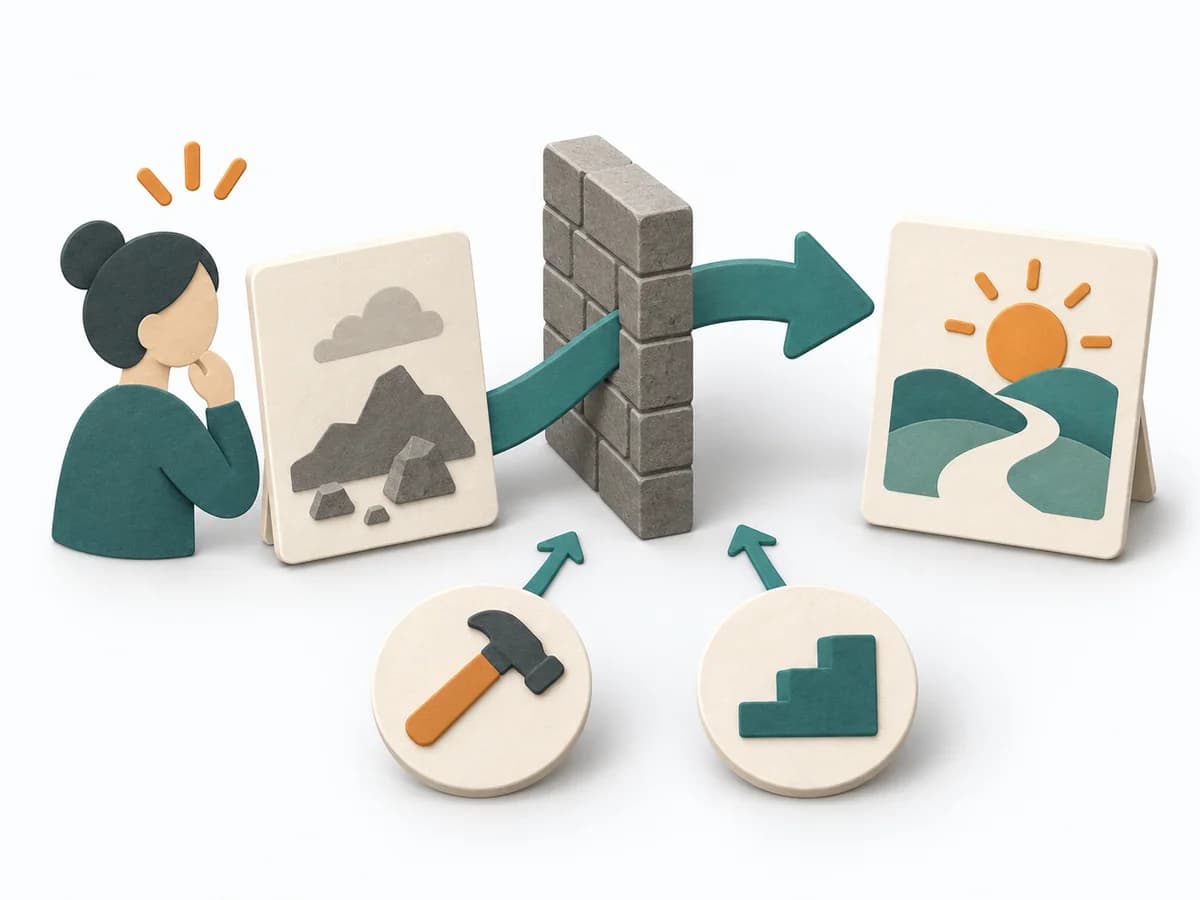 Product Discovery Jobs to Be Done | 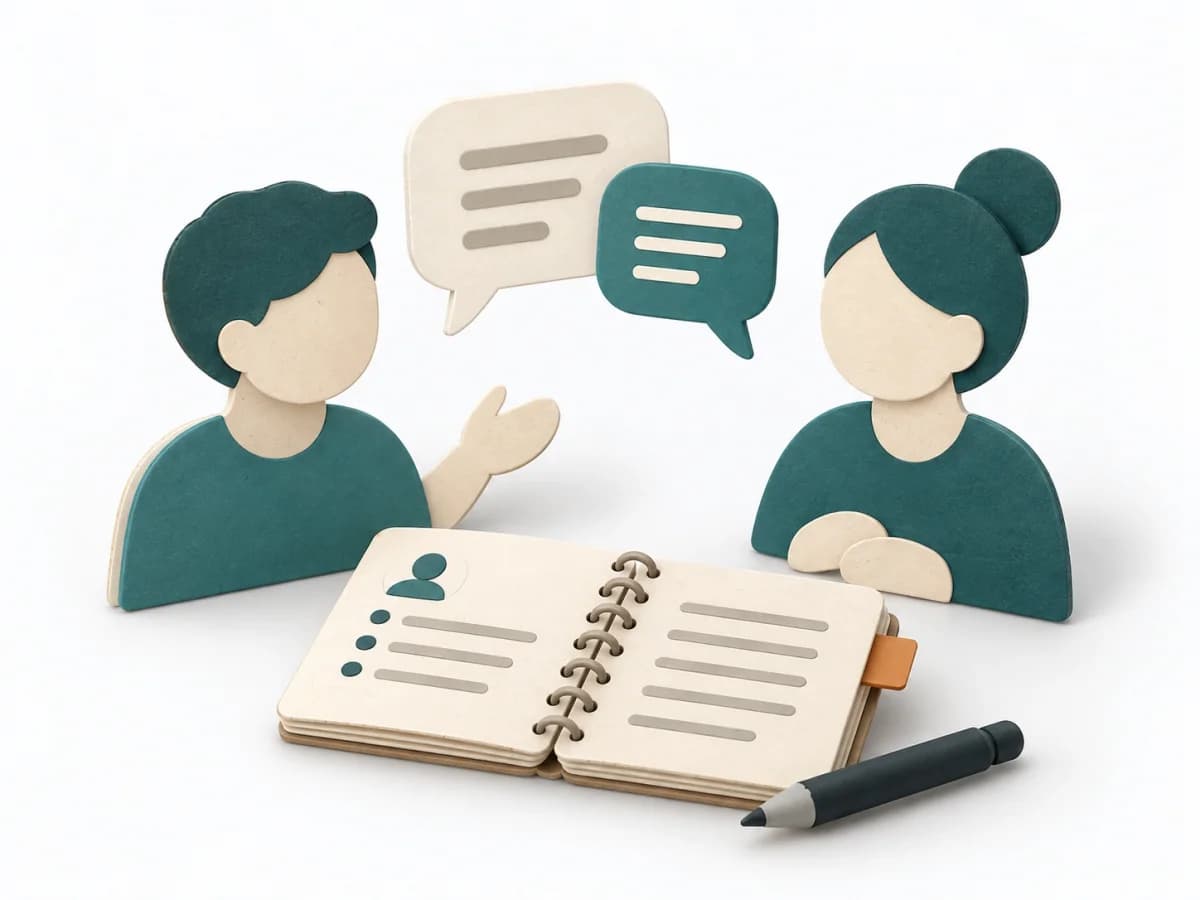 UX Research User Interviews | 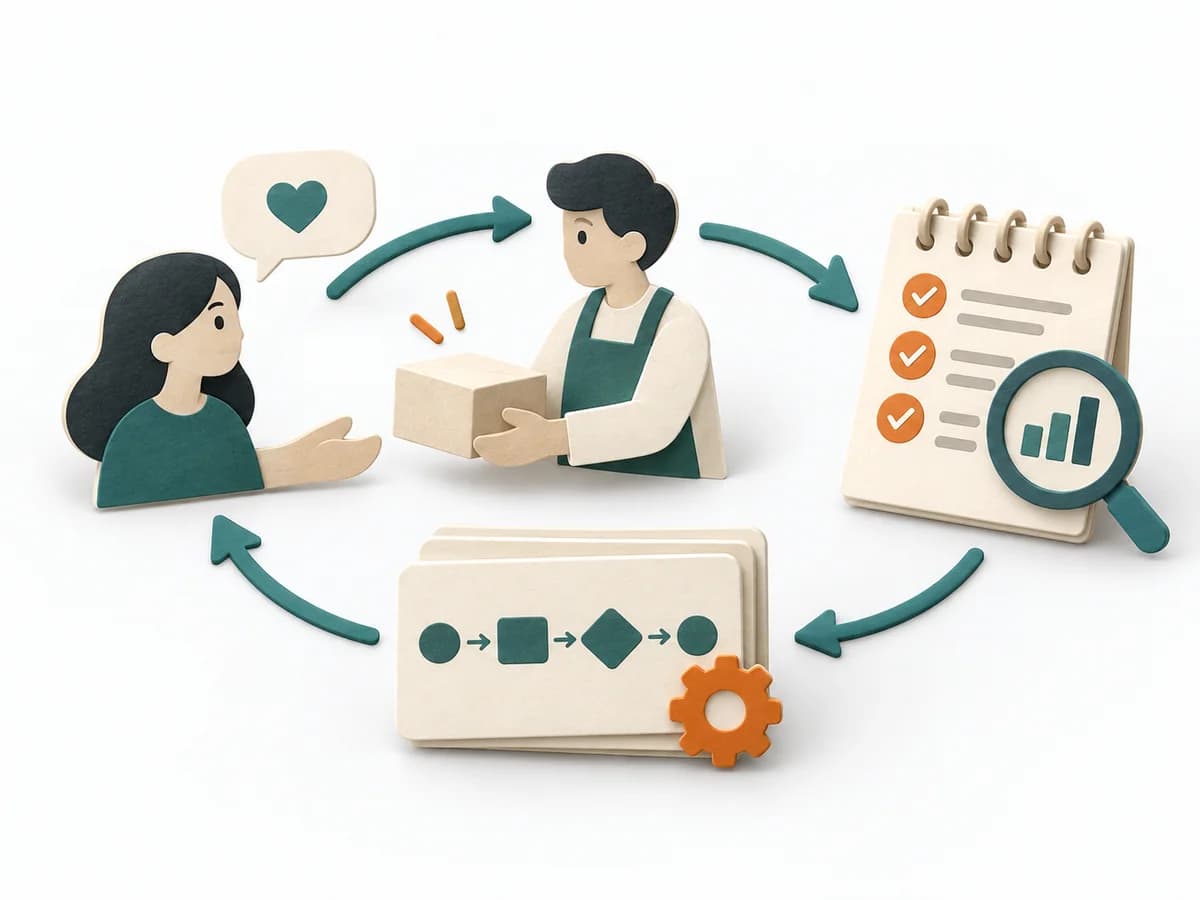 Product Discovery Concierge MVP | 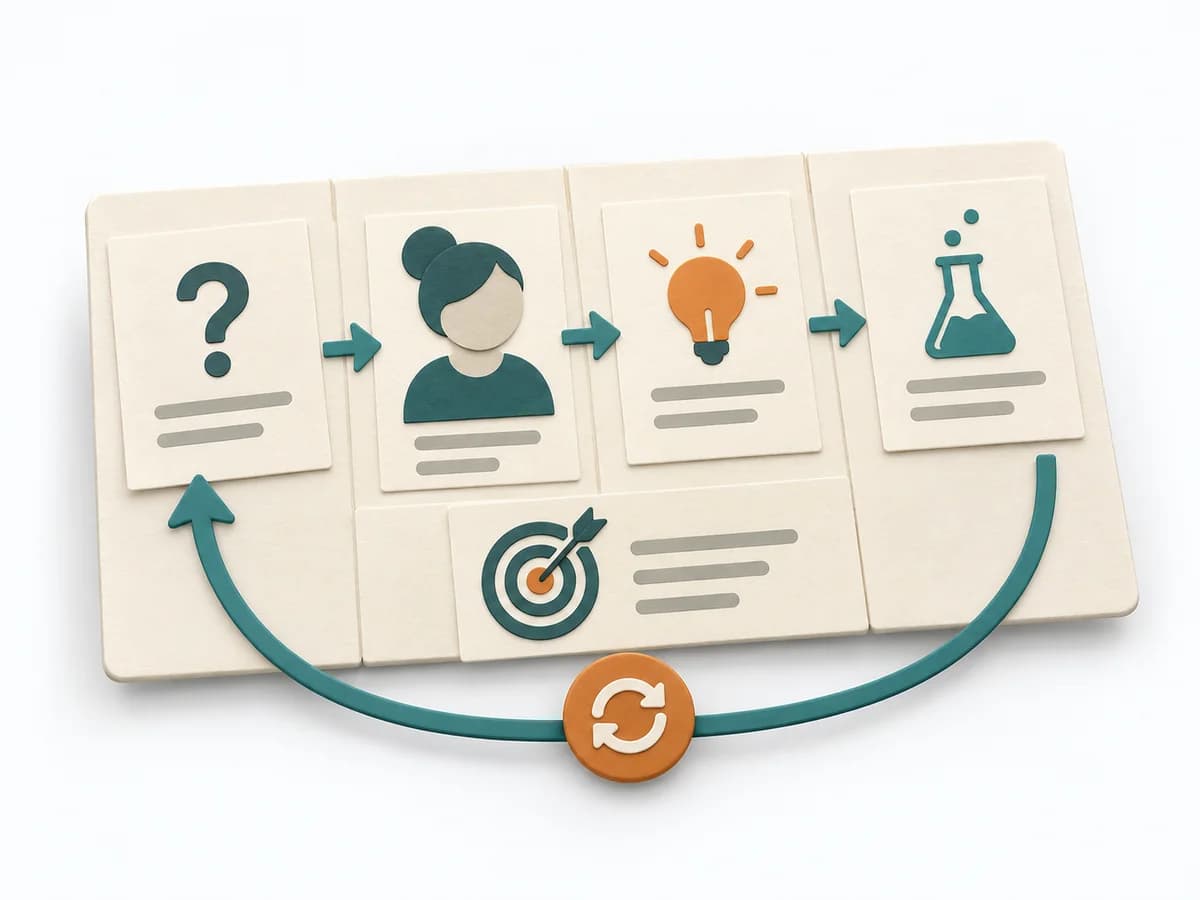 UX Design Lean UX Canvas |
|---|---|---|---|---|
Purposedifferent | When switching motives and progress are unclear, it reconstructs the situation from real customer circumstances. It shows why a switch happens and what kind of progress is being sought. | When teams derive needs only from assumptions and real motives are missing, user interviews give direct access to behavior and meaning. Conversations from the target group's everyday life make patterns, tensions, and open questions solidly visible. | When an idea can first fail or grow through genuine hands-on support, it relies on manual work instead of automation. It shows whether user value holds up even under manual execution. | The Lean UX Canvas helps clarify user behavior, touchpoints, and concept decisions. It makes assumptions and desired outcomes visible and captures the result as a completed canvas, hypothesis list, and first experiment. |
Complexitydifferent | Medium | Low | Medium | Medium |
Timedifferent | 1-3 Wochen | 30–60 min per interview | 1-4 Wochen | 2-3 h |
Participantsdifferent | 5-12 Interviews | 1 participant per interview | 3-10 Kunden | 3-8 |
Formatsame | Workshop + async | Workshop + async | Workshop + async | Workshop + async |
Outputdifferent | Job Stories, Outcome Statements, Opportunity List | Interview Notes, Themes, Insight Summary | Concierge Learnings, Service Blueprint, MVP Risks | Completed Lean UX Canvas, Hypothesis list, First experiment |
Tagsno overlap | CustomerOutcomesNeeds | QualitativeResearchCustomerDiscovery | MVPValidationServiceDiscovery | CanvasHypothesisOutcomesDiscovery |