View methods side by side.
Choose up to four methods. Add them using the search and share the comparison by copying its link.
| Criterion |  Product Discovery Jobs to Be Done | 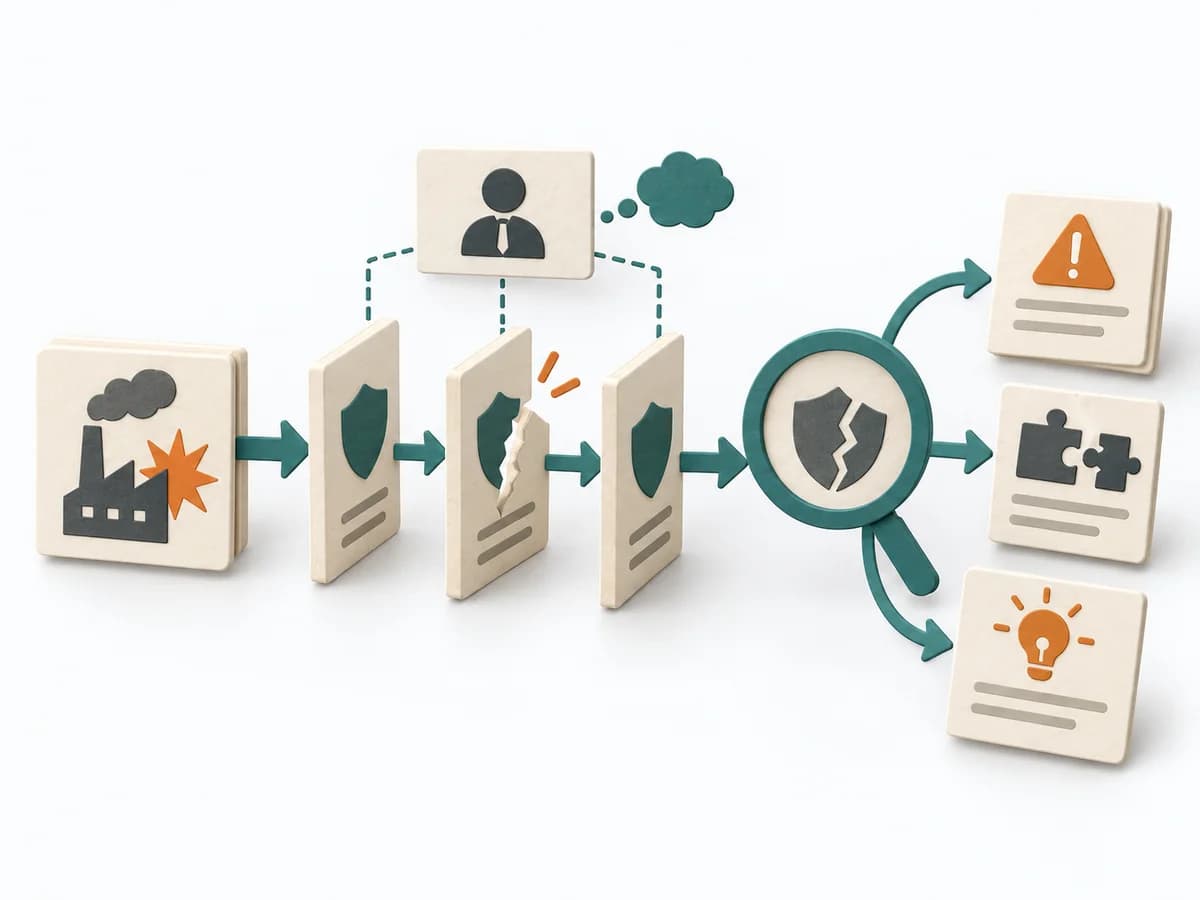 Operations MORT Analysis |  Systems Thinking Current Reality Tree | 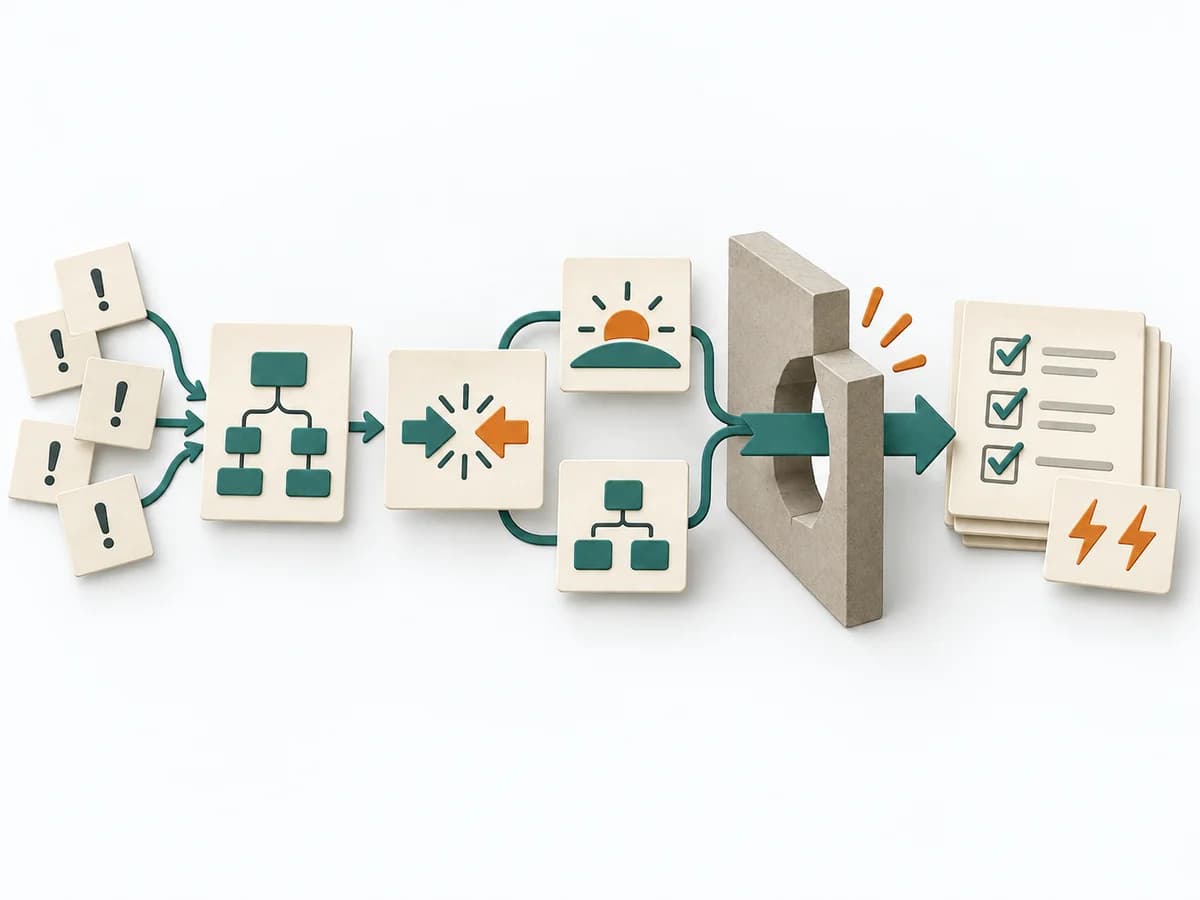 Systems Thinking Theory of Constraints Thinking Process |
|---|---|---|---|---|
Purposedifferent | When switching motives and progress are unclear, it reconstructs the situation from real customer circumstances. It shows why a switch happens and what kind of progress is being sought. | For a safety-relevant event or a system with high protection requirements, the method examines where controls failed. It exposes both technical and organizational gaps. | A Current Reality Tree condenses many symptoms into a few causal chains. The method makes visible which core problems drive several negative effects at once. | The Theory of Constraints Thinking Process exposes a system's bottleneck and the logic behind it. It suits situations where many symptoms trace back to the same limiting relationship. |
Complexitydifferent | Medium | High | High | High |
Timedifferent | 1-3 Wochen | Mehrere Tage bis Wochen | 2-6 h | 0.5-3 Tage |
Participantsdifferent | 5-12 Interviews | 2-6 | 3-8 | 4-10 |
Formatdifferent | Workshop + async | Workshop + async | Workshop | Workshop |
Outputdifferent | Job Stories, Outcome Statements, Opportunity List | MORT Worksheets, Findings per Branch, Corrective Actions, Systemic Recommendations | Current Reality Tree, Core Problems, Intervention Ideas | Current Reality Logic, Conflict Cloud, Future Reality Tree, Implementation Obstacles |
Tagsno overlap | CustomerOutcomesNeeds | Root causeSafetySystemicIncident | Systems thinkingRoot causeConstraintsCausality | Theory of ConstraintsConstraintsSystems thinkingCausality |