View methods side by side.
Choose up to four methods. Add them using the search and share the comparison by copying its link.
| Criterion |  Systems Thinking Intervention Mapping |  UX Research User Interviews | 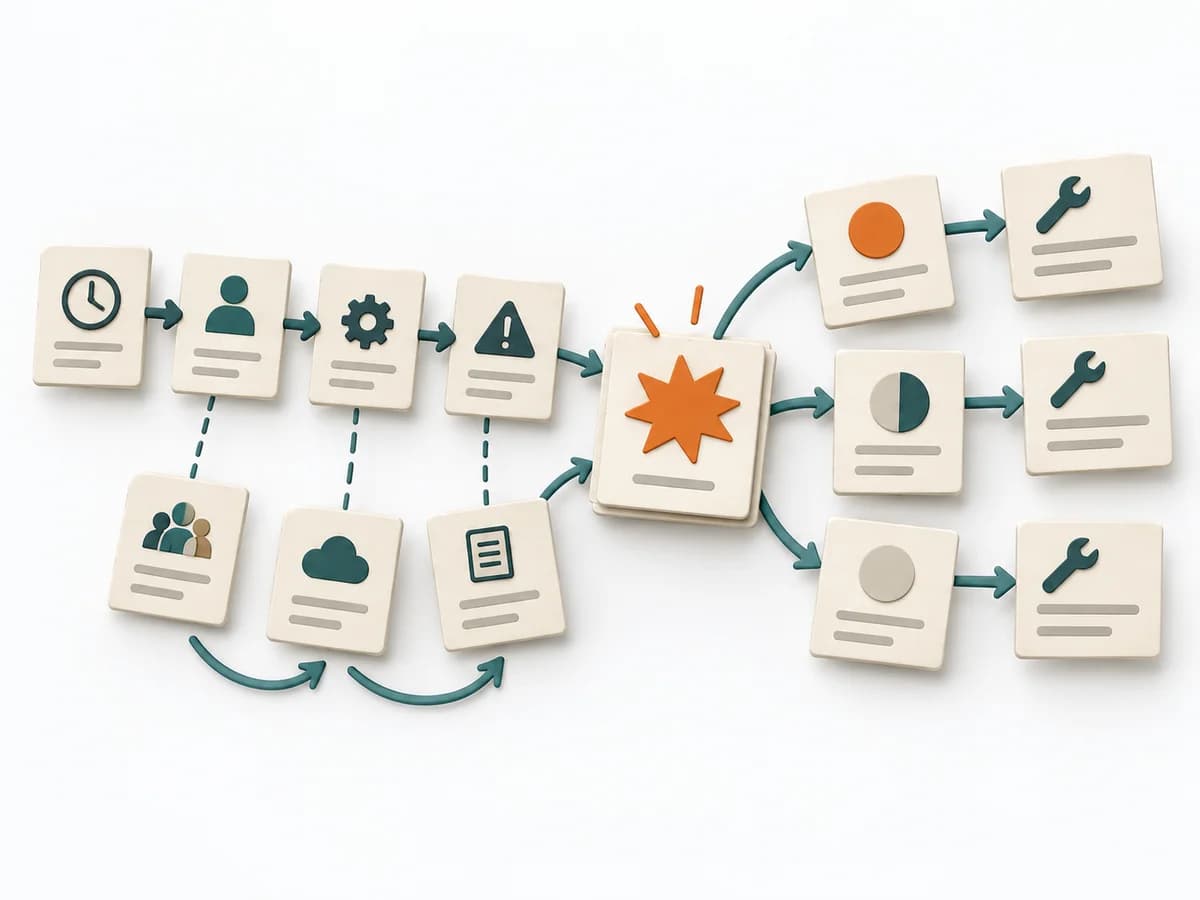 Operations Causal Factor Analysis |  Systems Thinking Current Reality Tree |
|---|---|---|---|---|
Purposedifferent | Intervention Mapping translates a need for change into a planned, evaluable program. The method connects target group, determinants, actions, and measurement into a traceable chain. | When teams derive needs only from assumptions and real motives are missing, user interviews give direct access to behavior and meaning. Conversations from the target group's everyday life make patterns, tensions, and open questions solidly visible. | For an event with a complicated course, the method breaks down the contributing factors along the timeline. It shows how conditions, decisions, and reactions together produce a course of events. | A Current Reality Tree condenses many symptoms into a few causal chains. The method makes visible which core problems drive several negative effects at once. |
Complexitydifferent | High | Low | High | High |
Timedifferent | 1-5 Tage | 30–60 min per interview | 2-6 h | 2-6 h |
Participantsdifferent | 4-12 | 1 participant per interview | 3-10 | 3-8 |
Formatdifferent | Workshop + async | Workshop + async | Workshop + async | Workshop |
Outputdifferent | Logic Model, Change Objectives, Intervention Components, Evaluation Plan | Interview Notes, Themes, Insight Summary | Event Timeline, Causal Factor Chart, Cause List, Corrective Actions | Current Reality Tree, Core Problems, Intervention Ideas |
Tagsno overlap | ChangeSystems thinkingCapability | QualitativeResearchCustomerDiscovery | CausalityIncidentRoot causeTimeline | Systems thinkingRoot causeConstraintsCausality |