View methods side by side.
Choose up to four methods. Add them using the search and share the comparison by copying its link.
| Criterion | 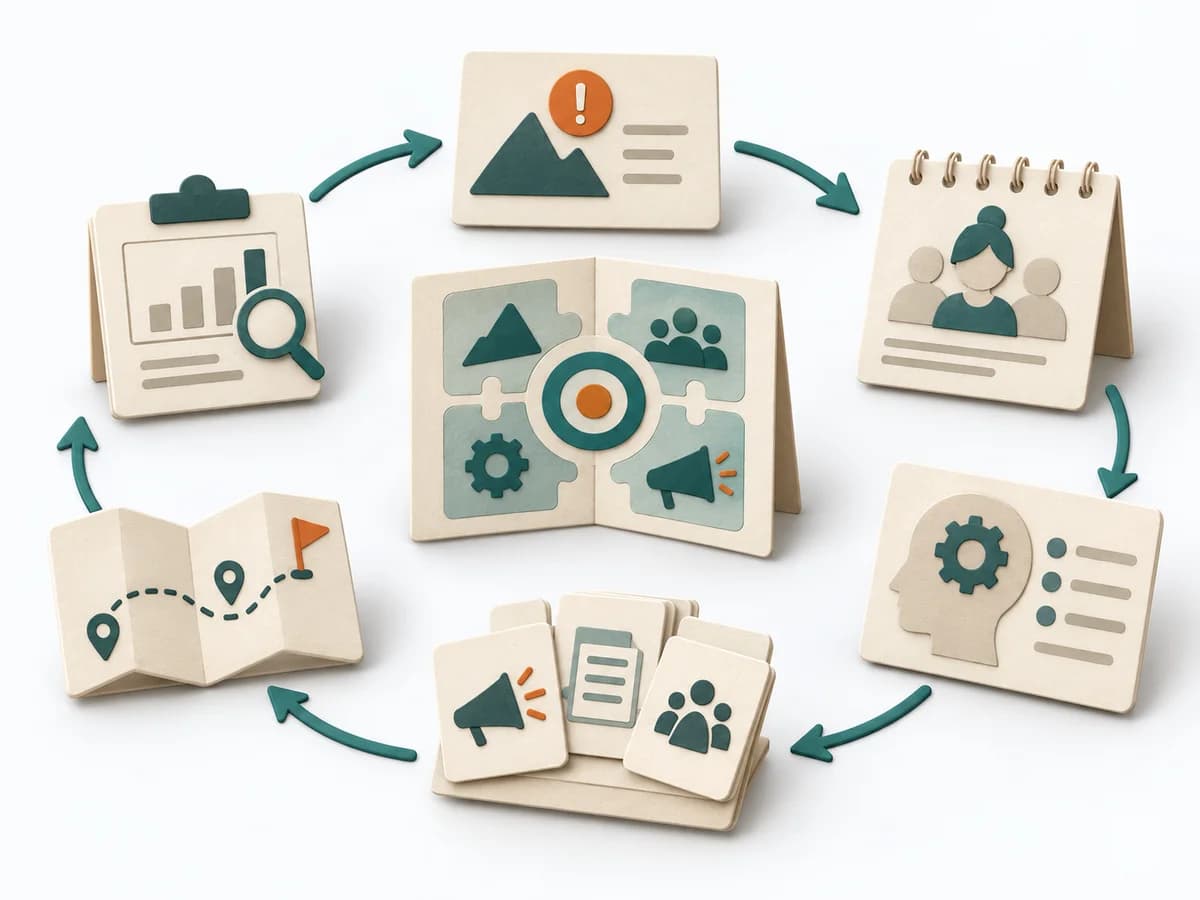 Systems Thinking Intervention Mapping | 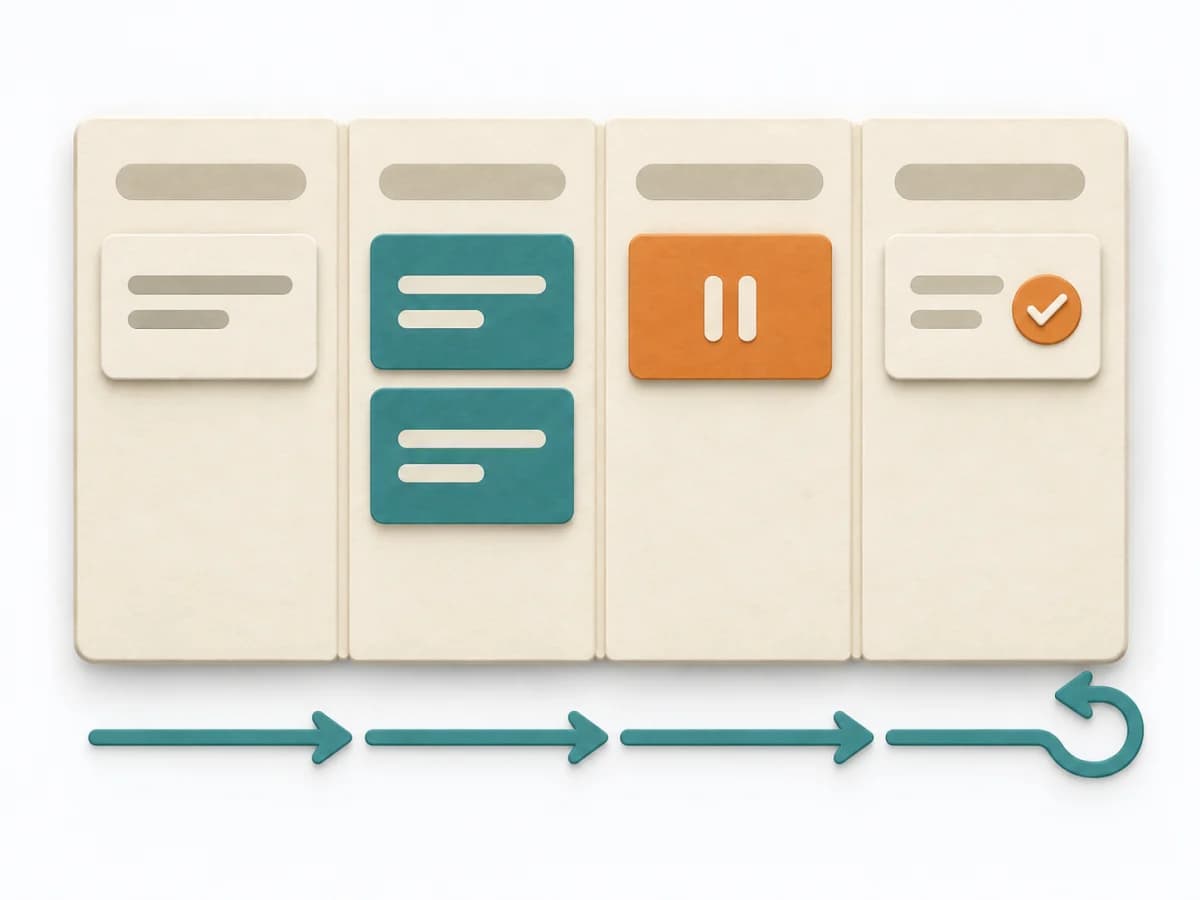 Engineering Kanban | 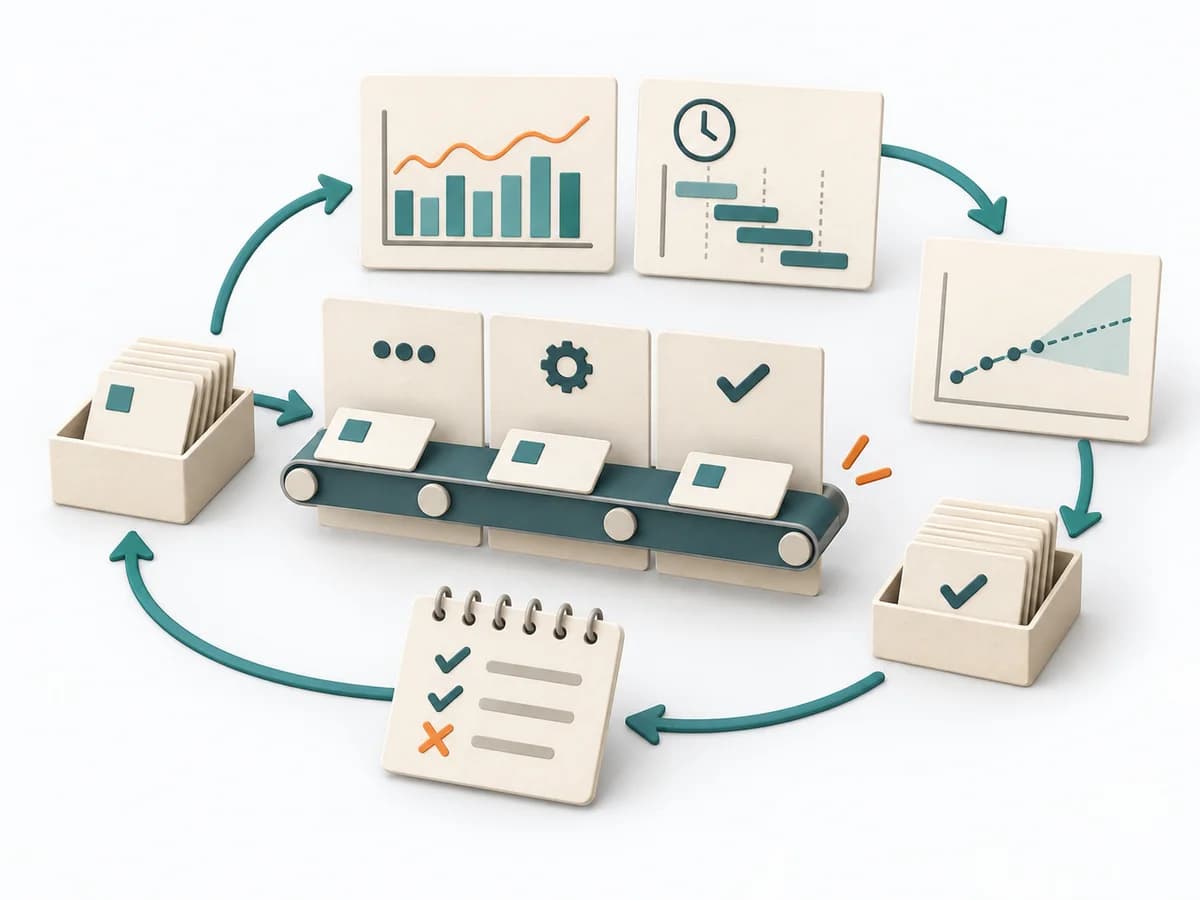 Agile NoEstimates | 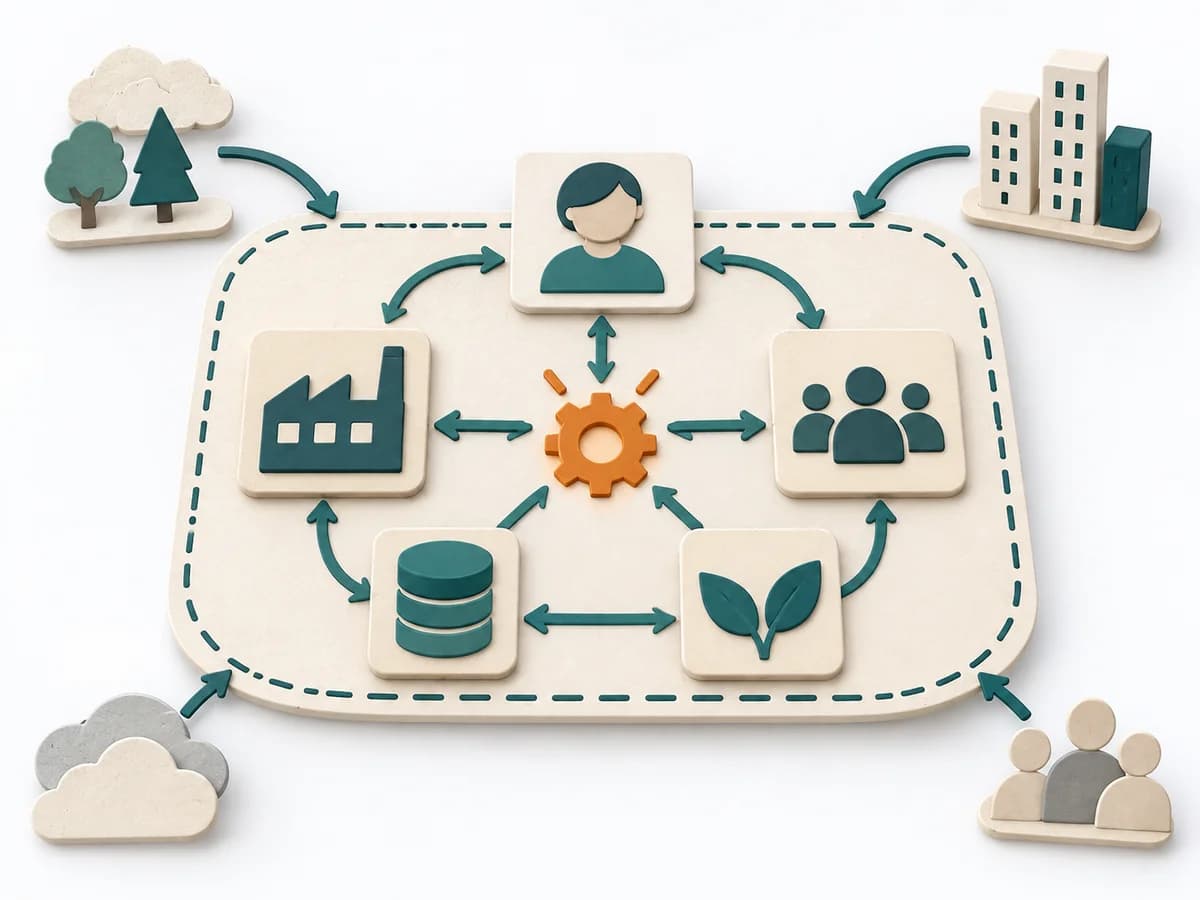 Systems Thinking Systems Mapping |
|---|---|---|---|---|
Purposedifferent | Intervention Mapping translates a need for change into a planned, evaluable program. The method connects target group, determinants, actions, and measurement into a traceable chain. | When work sits in too many parallel streams, throughput suffers and no one sees the bottlenecks. Kanban makes the flow of work visible and limits overload so a system becomes calmer and more predictable. | When estimating slows a team down more than it helps, it shifts the focus to flow, small slices, and real lead time. It sorts work by value, risk, and delivery ability. The result is captured as Throughput Data, Flow Forecast, and Slicing Rules. | Systems Mapping arranges elements, relationships, and boundaries so a complex field becomes legible at a glance. The overview stabilizes the overall picture before detail work or steering begins. |
Complexitydifferent | High | Medium | Medium | Medium |
Timedifferent | 1-5 Tage | Ongoing | laufend | 1-3 h |
Participantsdifferent | 4-12 | 2-12 | 2-12 | 3-12 |
Formatsame | Workshop + async | Workshop + async | Workshop + async | Workshop + async |
Outputdifferent | Logic Model, Change Objectives, Intervention Components, Evaluation Plan | Kanban board, WIP policies, Flow metrics | Throughput Data, Flow Forecast, Slicing Rules | System Map, Dependencies, Leverage Points |
Tagsno overlap | ChangeSystems thinkingCapability | FlowVisual managementDelivery | EstimationForecastingFlow | Systems thinkingMappingBoundariesChange |