View methods side by side.
Choose up to four methods. Add them using the search and share the comparison by copying its link.
| Criterion |  Systems Thinking Intervention Mapping | 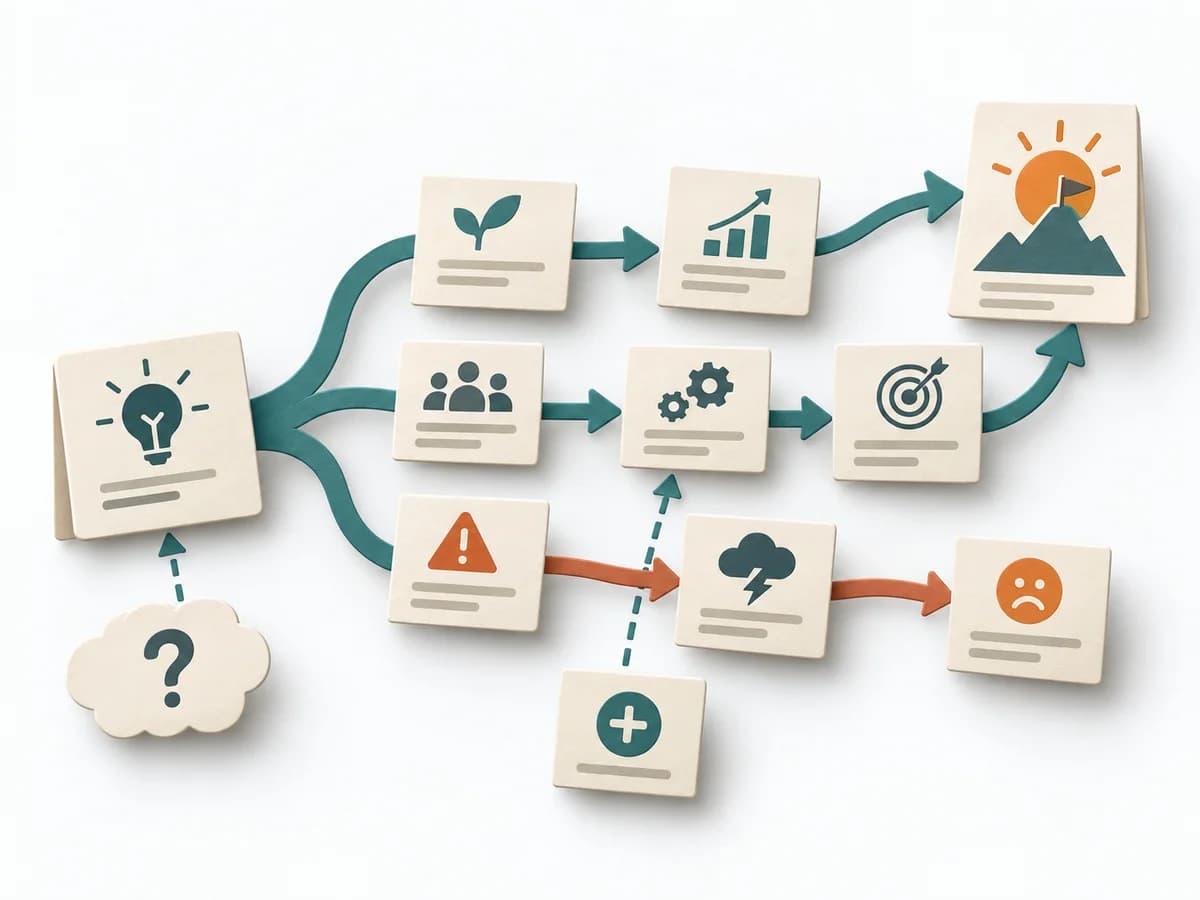 Systems Thinking Future Reality Tree |  Operations 5 Whys | 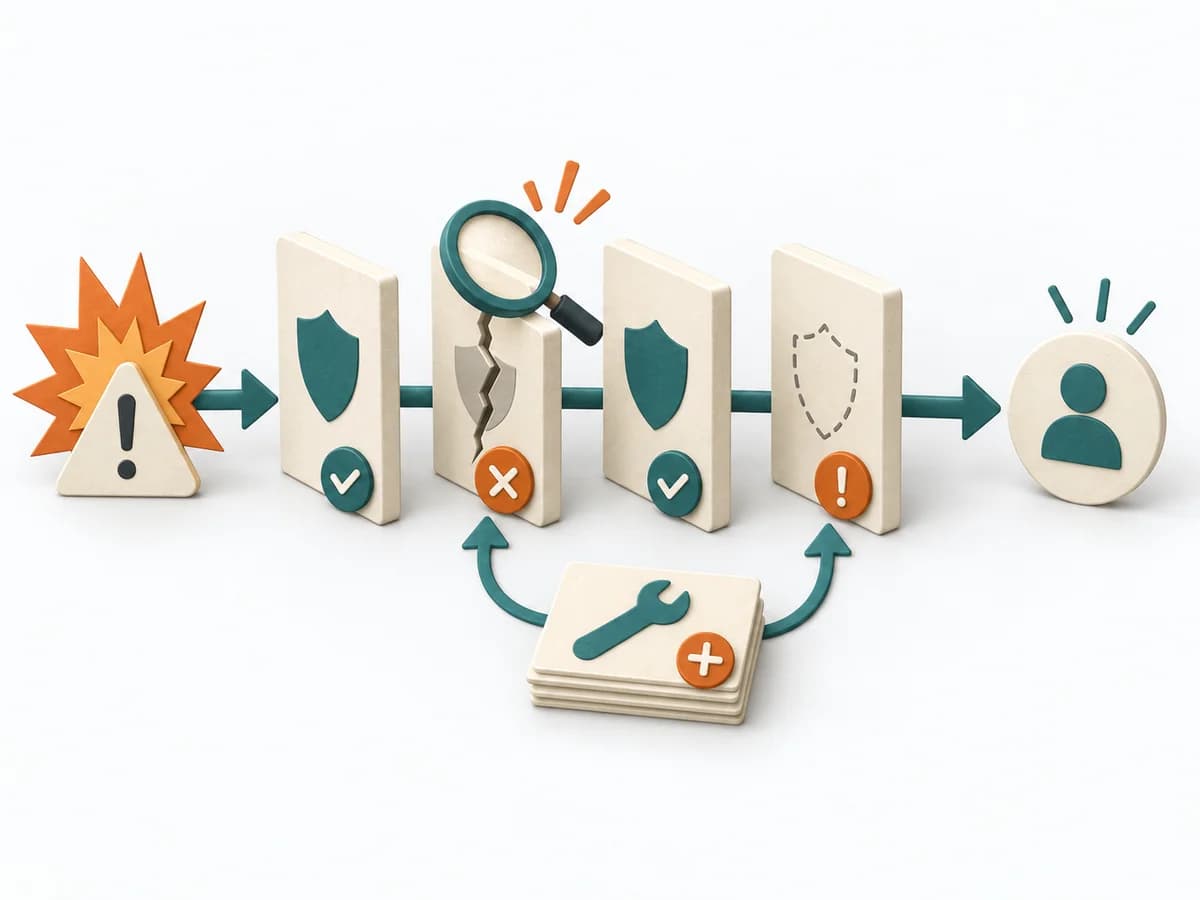 Operations Barrier Analysis |
|---|---|---|---|---|
Purposedifferent | Intervention Mapping translates a need for change into a planned, evaluable program. The method connects target group, determinants, actions, and measurement into a traceable chain. | A Future Reality Tree shows how desired actions are meant to lead to a better system state. The method checks whether a path of change holds together logically before time flows into implementation. | For a single, hard-to-explain deviation, the method exposes the causal chain behind the visible symptom. It keeps the cause open until a controllable condition emerges instead of a mere description. | For a risk that can only be managed through multiple layers of protection, the method examines the effectiveness of each barrier. It shows where safeguards are missing, too weak, or fail under real conditions. |
Complexitydifferent | High | High | Low | Medium |
Timedifferent | 1-5 Tage | 2-4 h | 15-30 min | 2-4 h |
Participantsdifferent | 4-12 | 3-8 | 2-6 | 2-6 |
Formatdifferent | Workshop + async | Workshop | Workshop | Workshop + async |
Outputdifferent | Logic Model, Change Objectives, Intervention Components, Evaluation Plan | Future Reality Tree, Negative Branches, Assumption List, Improved Injections | Root cause notes, Countermeasures | Barrier Inventory, Failure Analysis per Barrier, Action Backlog |
Tagsno overlap | ChangeSystems thinkingCapability | Theory of ConstraintsSystems thinkingChange | Root causeIncidentLeanProblem solving | Root causeSafetyIncident |