View methods side by side.
Choose up to four methods. Add them using the search and share the comparison by copying its link.
| Criterion | 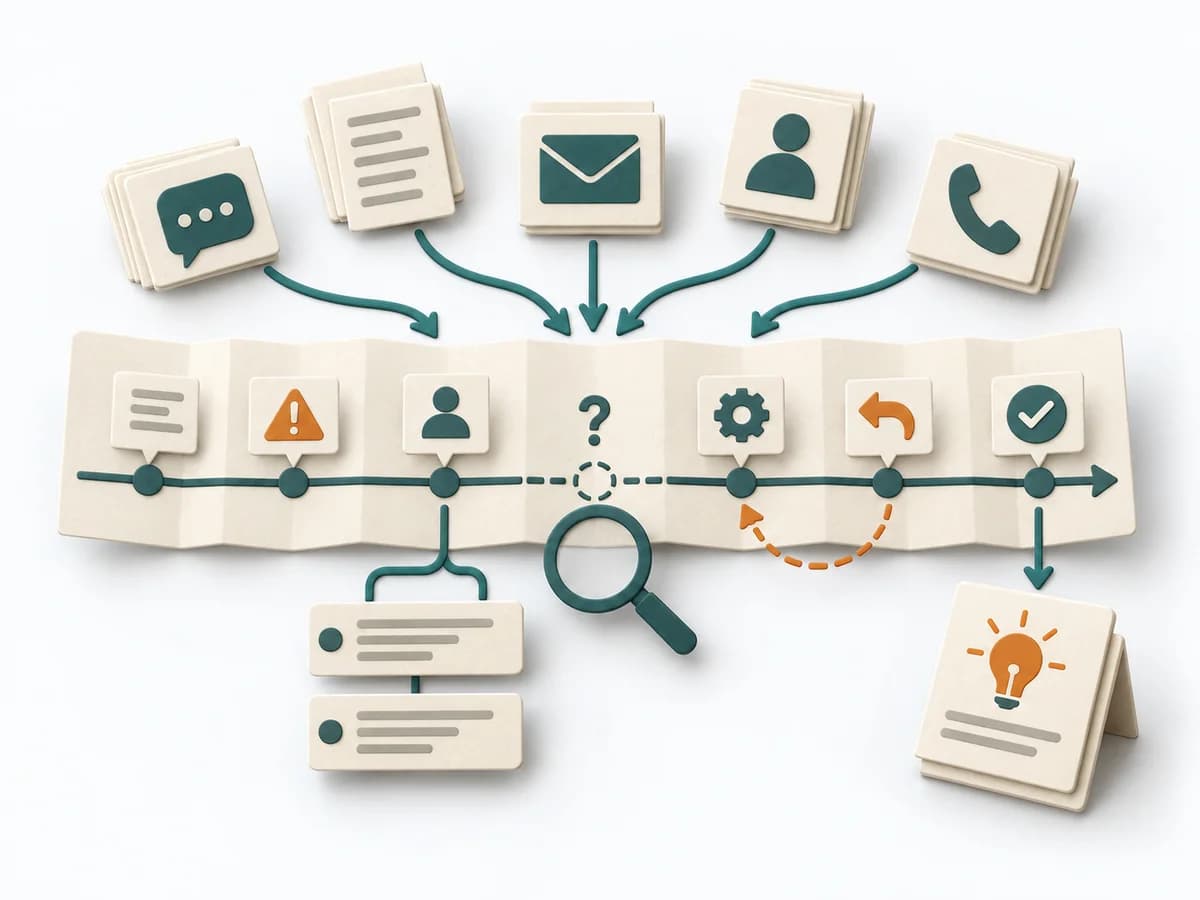 DevOps Incident Timeline Analysis | 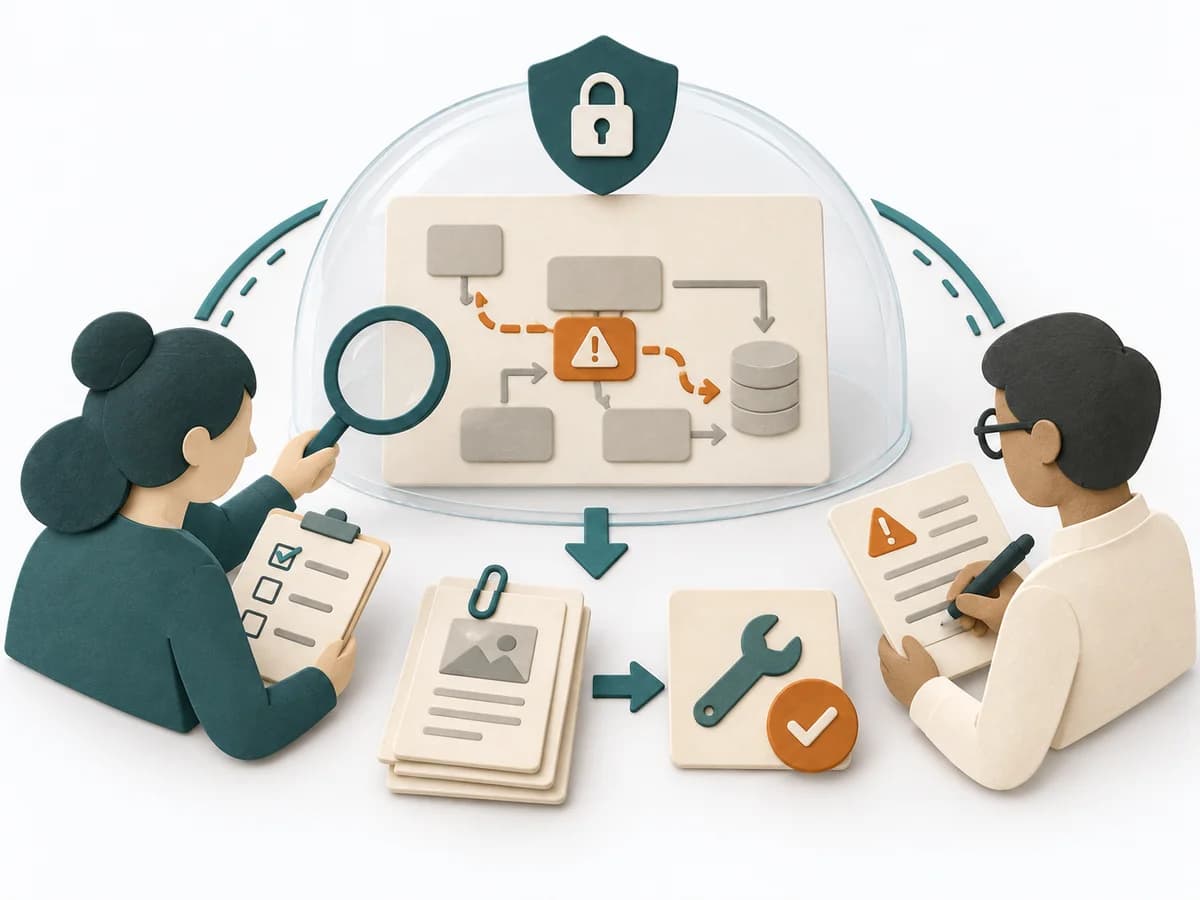 Decision Making Red Teaming |  DevOps Blameless Postmortem |  Decision Making Assumption Surfacing |
|---|---|---|---|---|
Purposedifferent | For an incident with an unclear sequence, the method makes the timeline precisely visible. It separates perception, reaction, and delay so cause and effect become more clearly readable. | For strategic decisions with high reach, agreement and gut feeling are often not enough. Red teaming brings deliberate opposition into the situation and tests where a plan breaks under real counterarguments. | After an incident with damage or a near miss, the method creates a sober field for learning without assigning blame. It directs attention to the course of events, conditions, and effective countermeasures. | Plans often contain assumptions that were never openly stated and remain dangerous precisely because of that. Assumption Surfacing makes these silent premises visible and prioritizes which of them carry the initiative or could sink it. |
Complexitydifferent | Medium | High | Medium | Low |
Timedifferent | 60-180 min | 1-4 h | 30-90 min | 45-90 min |
Participantsdifferent | 3-10 | 3-8 | 3-12 | 2-8 |
Formatdifferent | Workshop + async | Workshop | Workshop + async | Workshop + async |
Outputdifferent | Incident Timeline, Evidence Log, Delay Analysis, Improvement Actions | Challenge Findings, Risk Register, Mitigation Plan | Postmortem Doc, Action Items, Timeline | Assumption List, Critical Assumptions, Learning Plan |
Tagsno overlap | IncidentTimelineSite Reliability Engineering | RiskDecisionSensemaking | Site Reliability EngineeringIncidentLearningReliability | AssumptionsRiskDecisionDiscovery |