View methods side by side.
Choose up to four methods. Add them using the search and share the comparison by copying its link.
| Criterion | 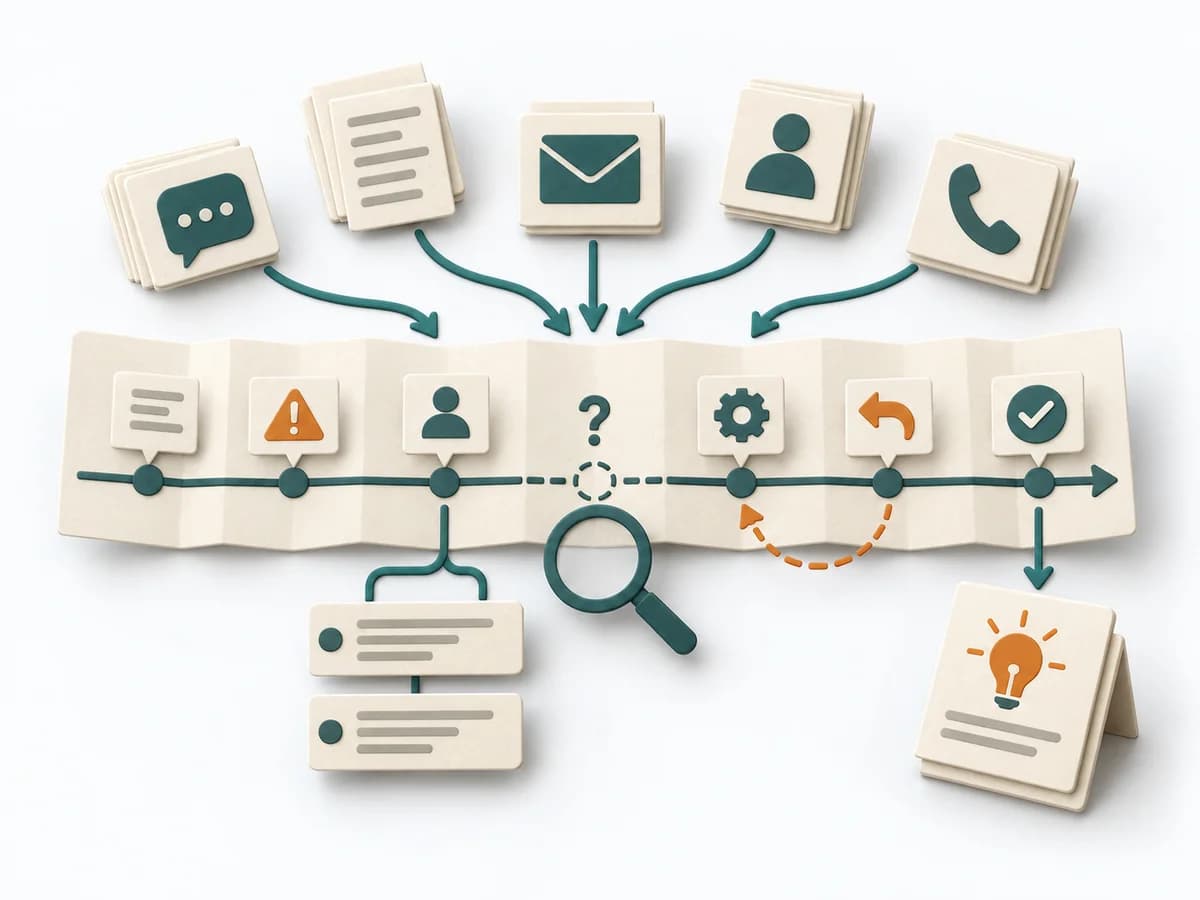 DevOps Incident Timeline Analysis | 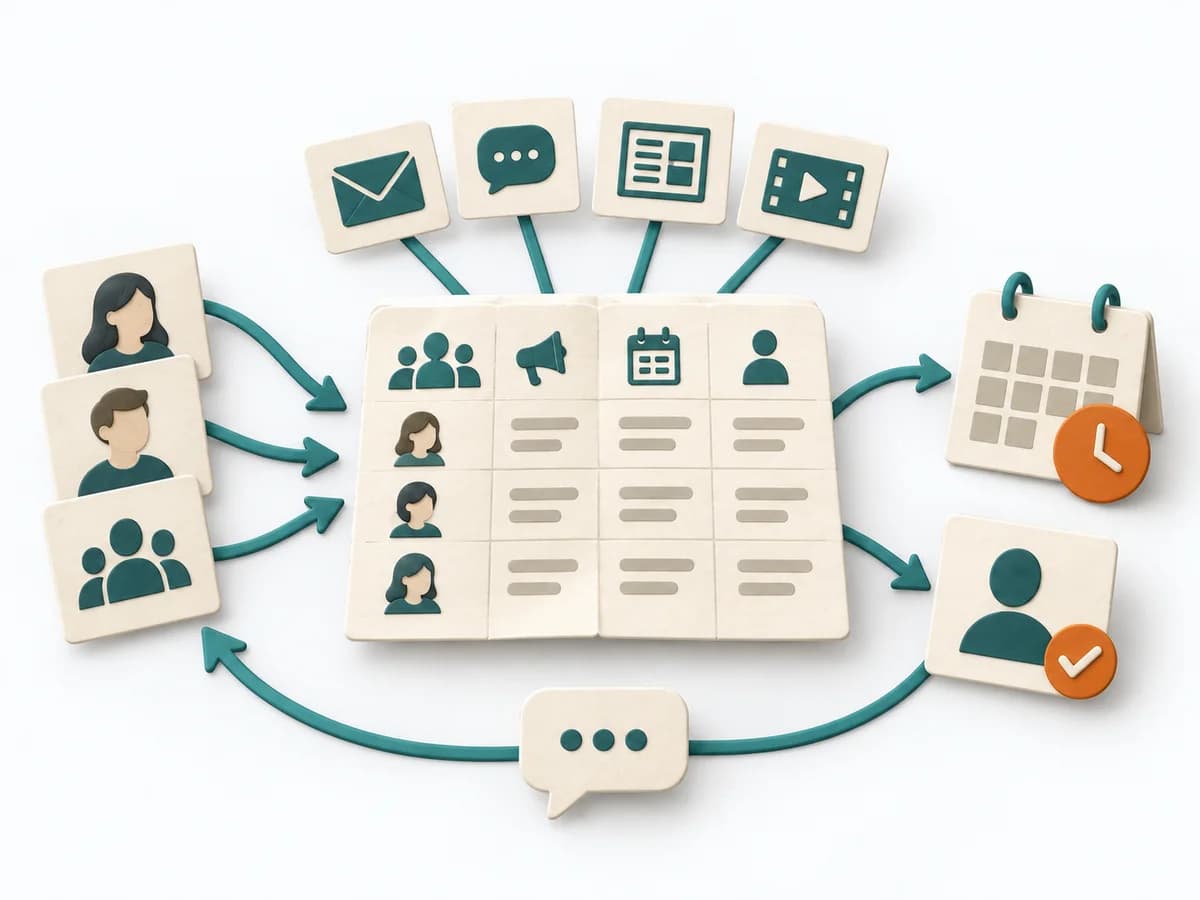 Delivery Communication Plan | 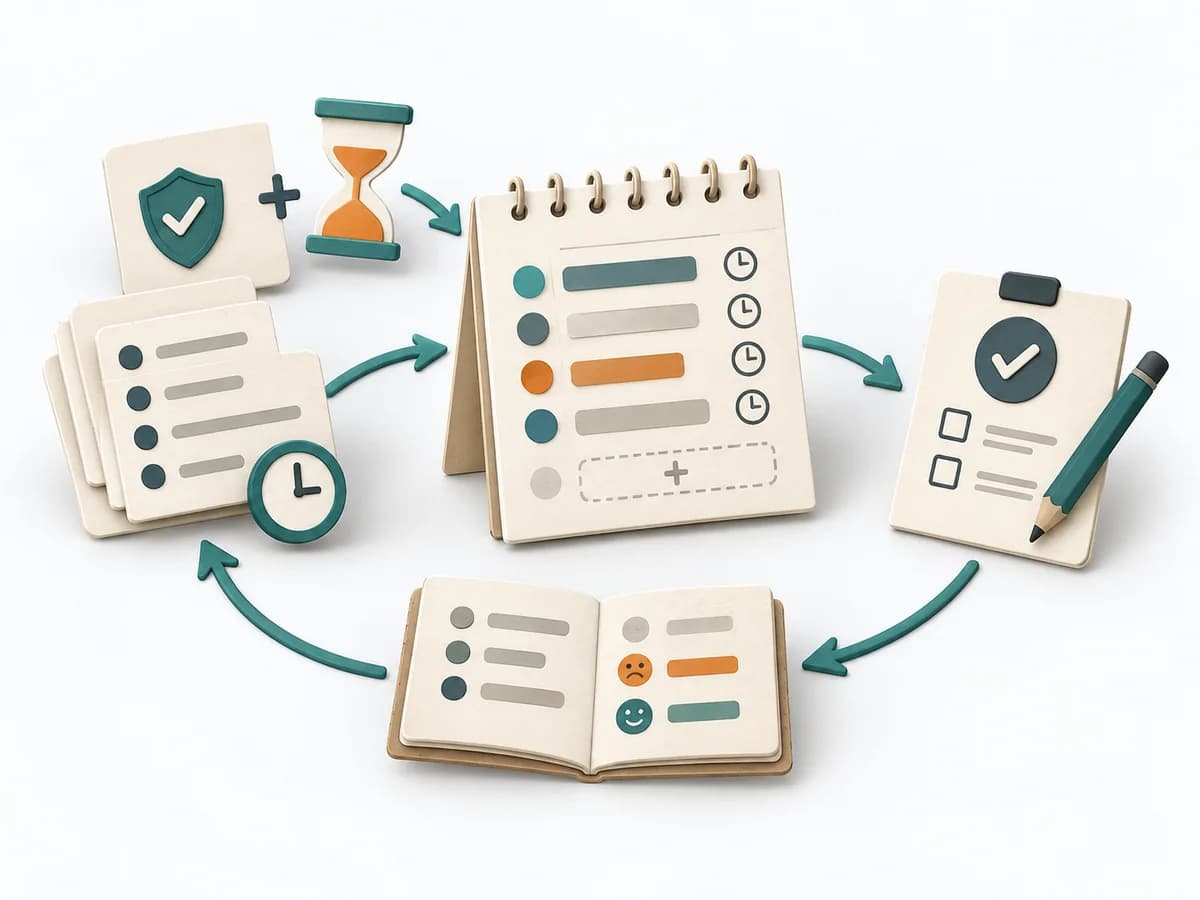 Operations ALPEN Method |  Operations Causal Factor Analysis |
|---|---|---|---|---|
Purposedifferent | For an incident with an unclear sequence, the method makes the timeline precisely visible. It separates perception, reaction, and delay so cause and effect become more clearly readable. | When many people need to be informed in parallel and messages would otherwise arrive unevenly or too late, a Communication Plan orders communication reliably. Channels, audiences, and cadences interlock so important information doesn't get lost. | With an overloaded day full of too many tasks, a realistic picture of the day emerges. The method connects estimating, deciding, and buffer thinking so planning fits available energy and time. | For an event with a complicated course, the method breaks down the contributing factors along the timeline. It shows how conditions, decisions, and reactions together produce a course of events. |
Complexitydifferent | Medium | Low | Low | High |
Timedifferent | 60-180 min | 45-90 min | 10-20 min daily | 2-6 h |
Participantsdifferent | 3-10 | 2-6 | 1 | 3-10 |
Formatdifferent | Workshop + async | Workshop + async | Async | Workshop + async |
Outputdifferent | Incident Timeline, Evidence Log, Delay Analysis, Improvement Actions | Communication Plan, Channel Matrix, Message Cadence | Daily Plan, Time Estimates, Review Notes | Event Timeline, Causal Factor Chart, Cause List, Corrective Actions |
Tagsno overlap | IncidentTimelineSite Reliability Engineering | CommunicationStakeholdersDeliveryPlanning | PlanningTime managementProductivityOperations | CausalityIncidentRoot causeTimeline |