View methods side by side.
Choose up to four methods. Add them using the search and share the comparison by copying its link.
| Criterion | 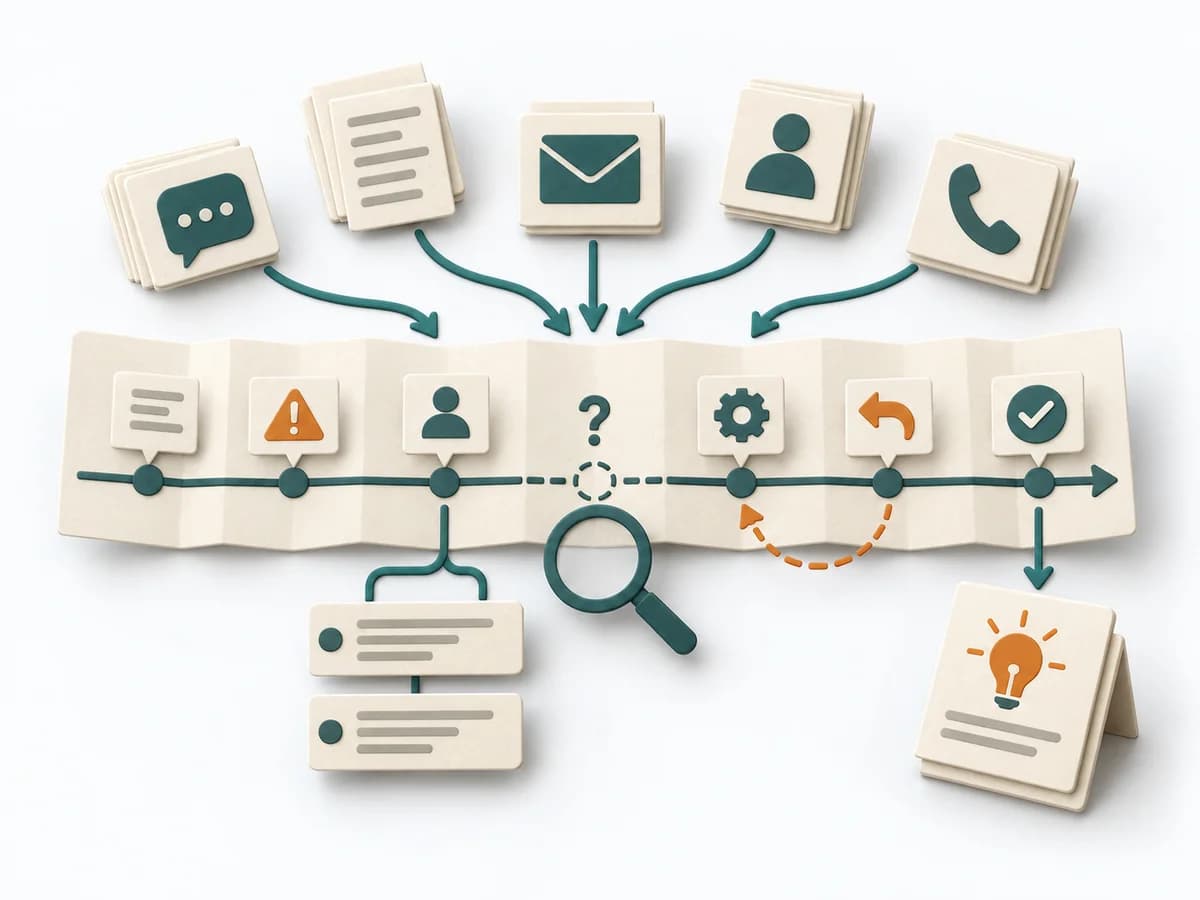 DevOps Incident Timeline Analysis |  Operations Barrier Analysis |  Facilitation Stakeholder Mapping |  Facilitation Power Interest Grid |
|---|---|---|---|---|
Purposedifferent | For an incident with an unclear sequence, the method makes the timeline precisely visible. It separates perception, reaction, and delay so cause and effect become more clearly readable. | For a risk that can only be managed through multiple layers of protection, the method examines the effectiveness of each barrier. It shows where safeguards are missing, too weak, or fail under real conditions. | When an initiative depends on many people, interests, and power dynamics, Stakeholder Mapping systematically orders the environment. It shows who influences, who is affected, and where relationship management or safeguarding matters first. | When many stakeholders compete for attention at once, the Power Interest Grid sorts them by influence and stake. It turns individual contributions into a visible selection. The result is captured as a Power Interest Grid and a stakeholder-specific strategy. |
Complexitydifferent | Medium | Medium | Low | Low |
Timedifferent | 60-180 min | 2-4 h | 60–90 min | 30-60 min |
Participantsdifferent | 3-10 | 2-6 | 2-8 | 2-8 |
Formatdifferent | Workshop + async | Workshop + async | Workshop + async | Workshop |
Outputdifferent | Incident Timeline, Evidence Log, Delay Analysis, Improvement Actions | Barrier Inventory, Failure Analysis per Barrier, Action Backlog | Stakeholder Map, Engagement Plan, Risk Notes | Power Interest Grid, Strategy per Stakeholder |
Tagsno overlap | IncidentTimelineSite Reliability Engineering | Root causeSafetyIncident | StakeholdersAlignmentFacilitationChange | StakeholdersFacilitationAlignmentPlanning |