View methods side by side.
Choose up to four methods. Add them using the search and share the comparison by copying its link.
| Criterion | 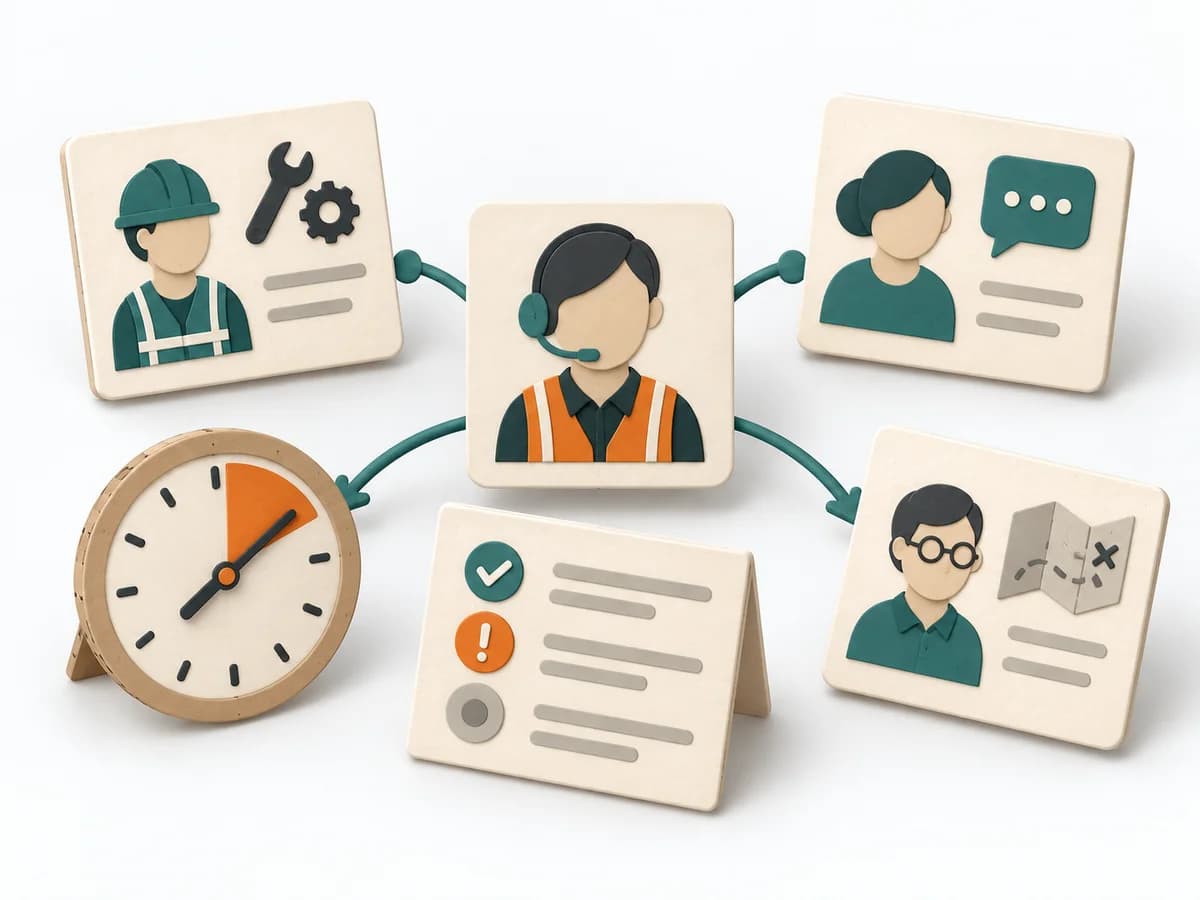 DevOps Incident Command | 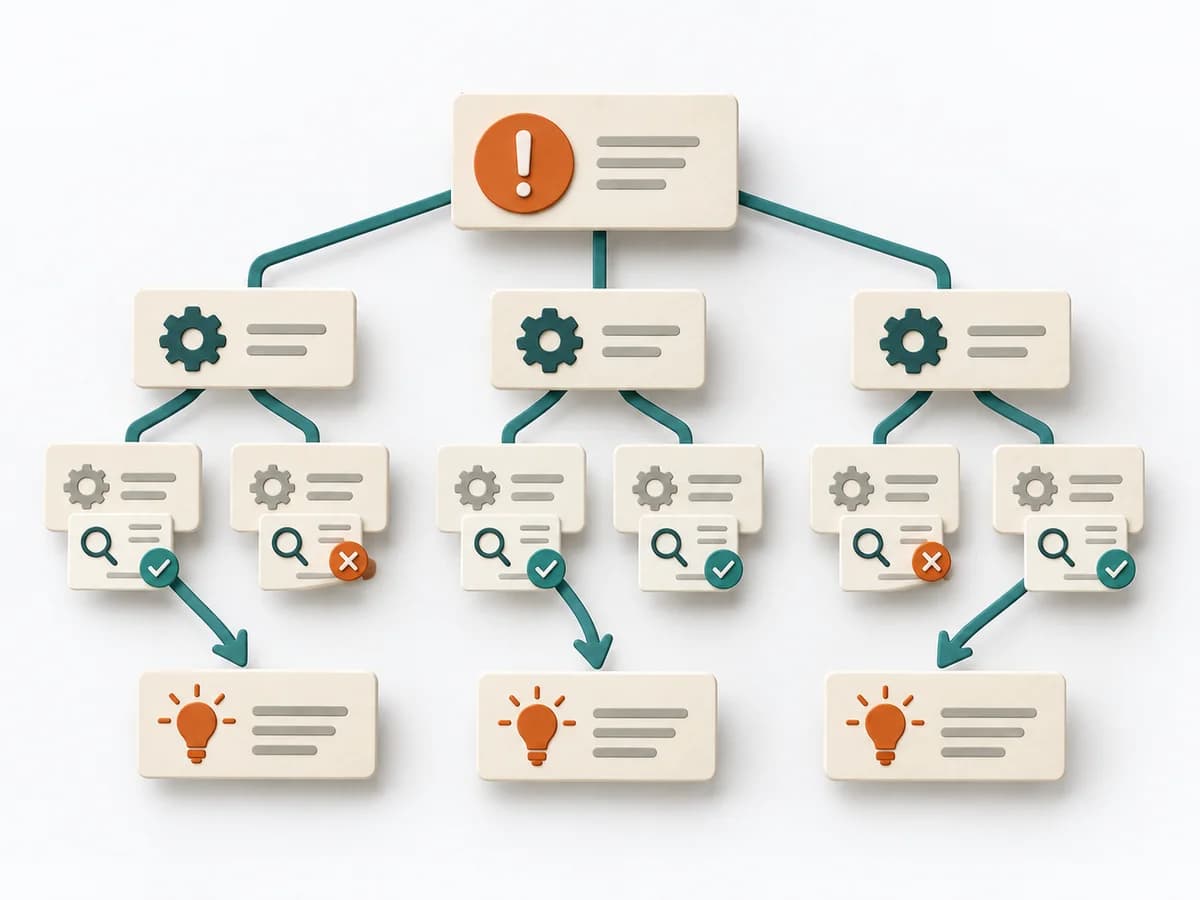 Operations Root Cause Tree Analysis | 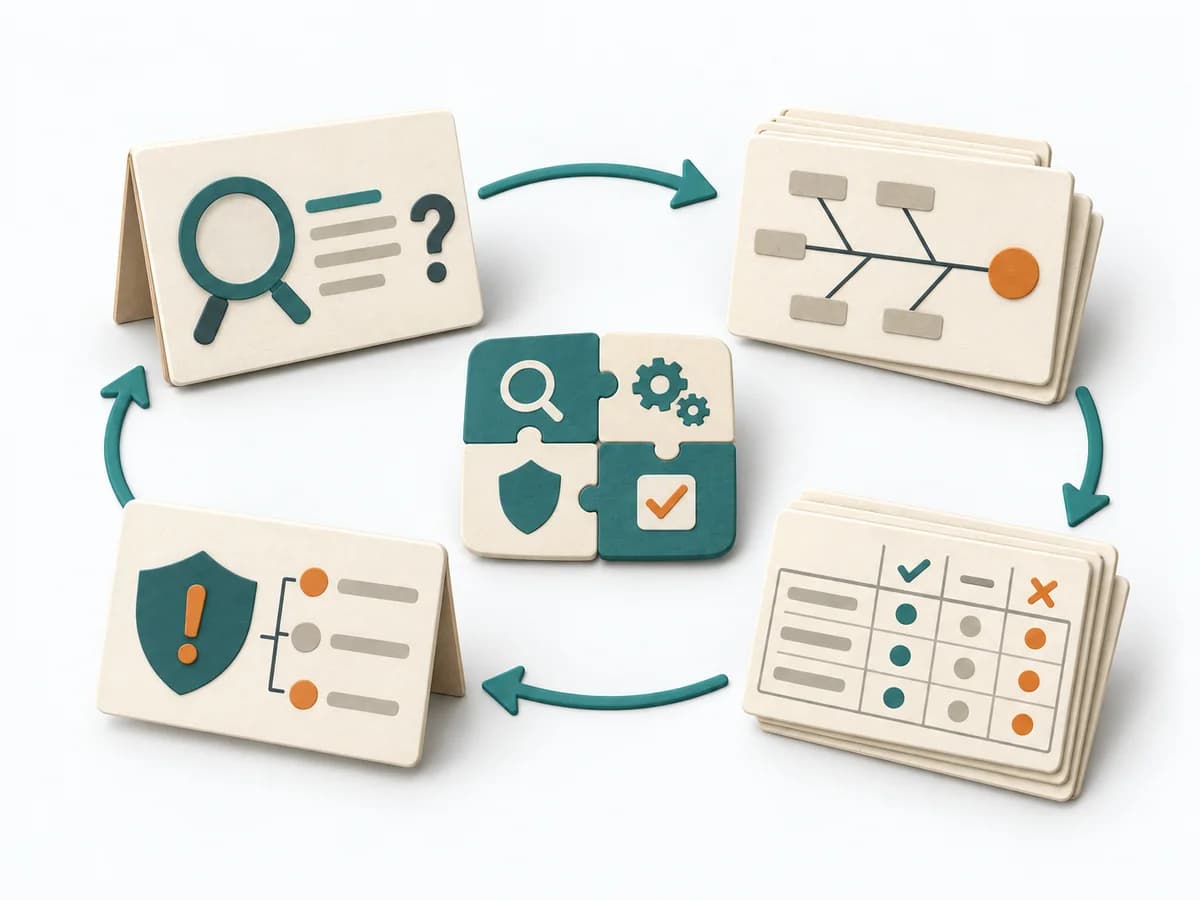 Operations Kepner-Tregoe | 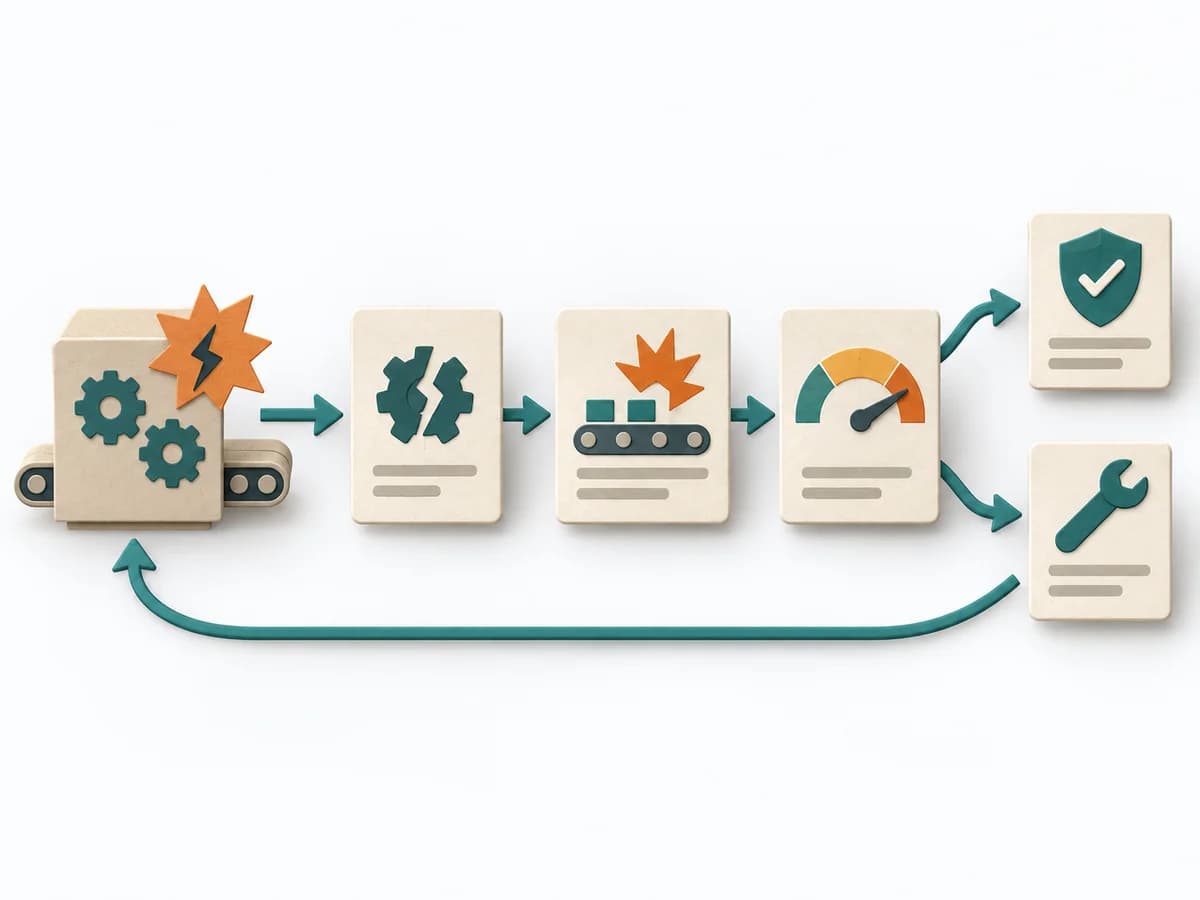 Operations Failure Mode and Effects Analysis |
|---|---|---|---|---|
Purposedifferent | During an acute incident with several people involved, the method creates a clear leadership and communication structure. It reduces chaos when fast coordination and clean situational awareness are both needed at once. | For a problem with several suspected causes, the method builds a causal structure instead of a mere list. It makes visible how causes connect and where the strongest points of leverage lie. | For a disturbance that's hard to pin down, the method cleanly separates problem, cause, and decision. It reduces mixing when symptoms allow several interpretations. | For a process, product, or service with noticeable failure risks, the method assesses possible failure modes in advance. It directs attention to combinations of occurrence, effect, and detectability. |
Complexitydifferent | Medium | Medium | High | High |
Timedifferent | As needed | 1-3 h | 2-8 h | 2-6 h |
Participantsdifferent | 4-15 | 2-8 | 2-8 | 3-10 |
Formatdifferent | Workshop + async | Workshop | Workshop + async | Workshop |
Outputdifferent | Incident Log, Action Tracker, Stakeholder Updates | Cause Tree, Evidence Notes, Countermeasures | Problem Analysis, Decision Analysis, Risk Plan | FMEA Table, Risk Priority, Mitigation Actions |
Tagsno overlap | IncidentOperationsReliability | Root causeTreeIncidentQuality | Problem solvingRoot causeDecisionOperations | RiskQualityOperationsRoot cause |