View methods side by side.
Choose up to four methods. Add them using the search and share the comparison by copying its link.
| Criterion |  DevOps Incident Command |  Systems Thinking Leverage Points | 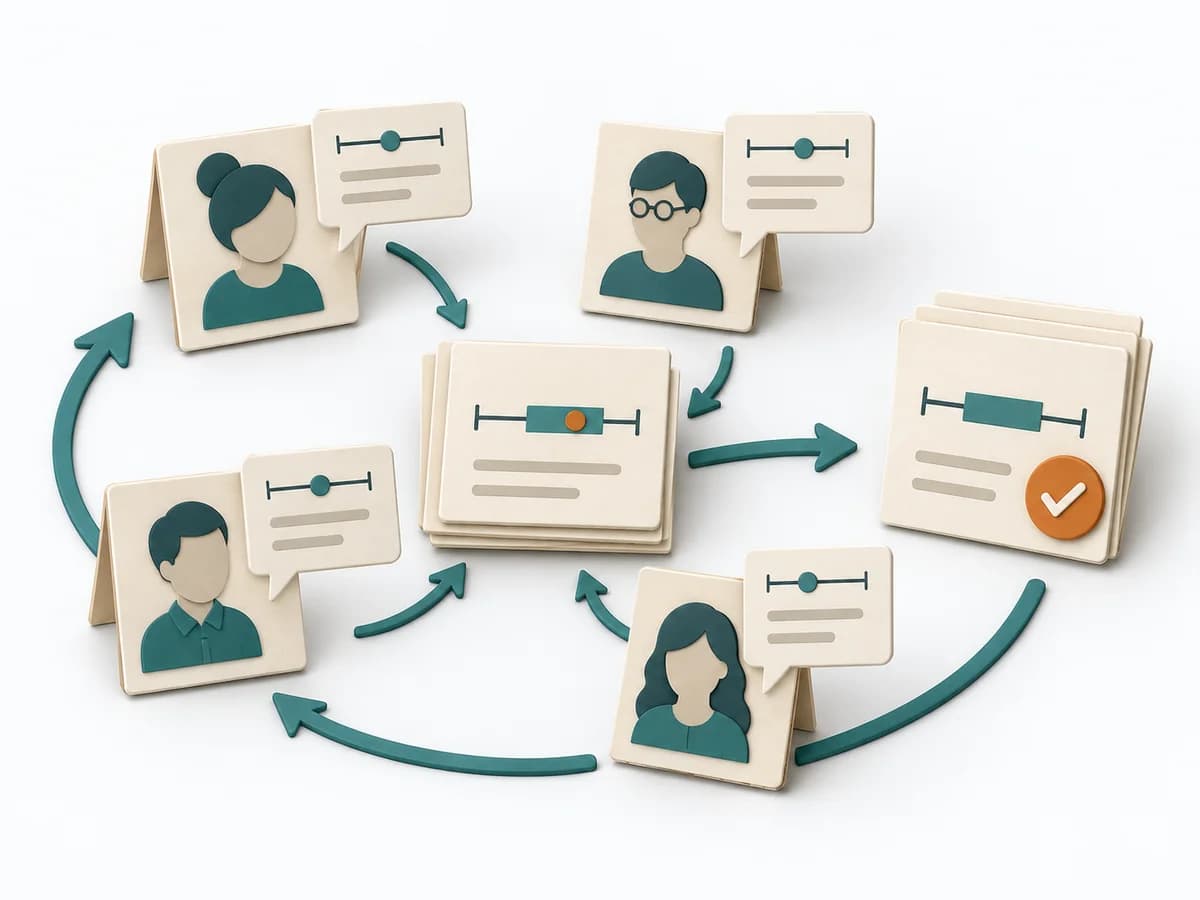 Decision Making Delphi Method | 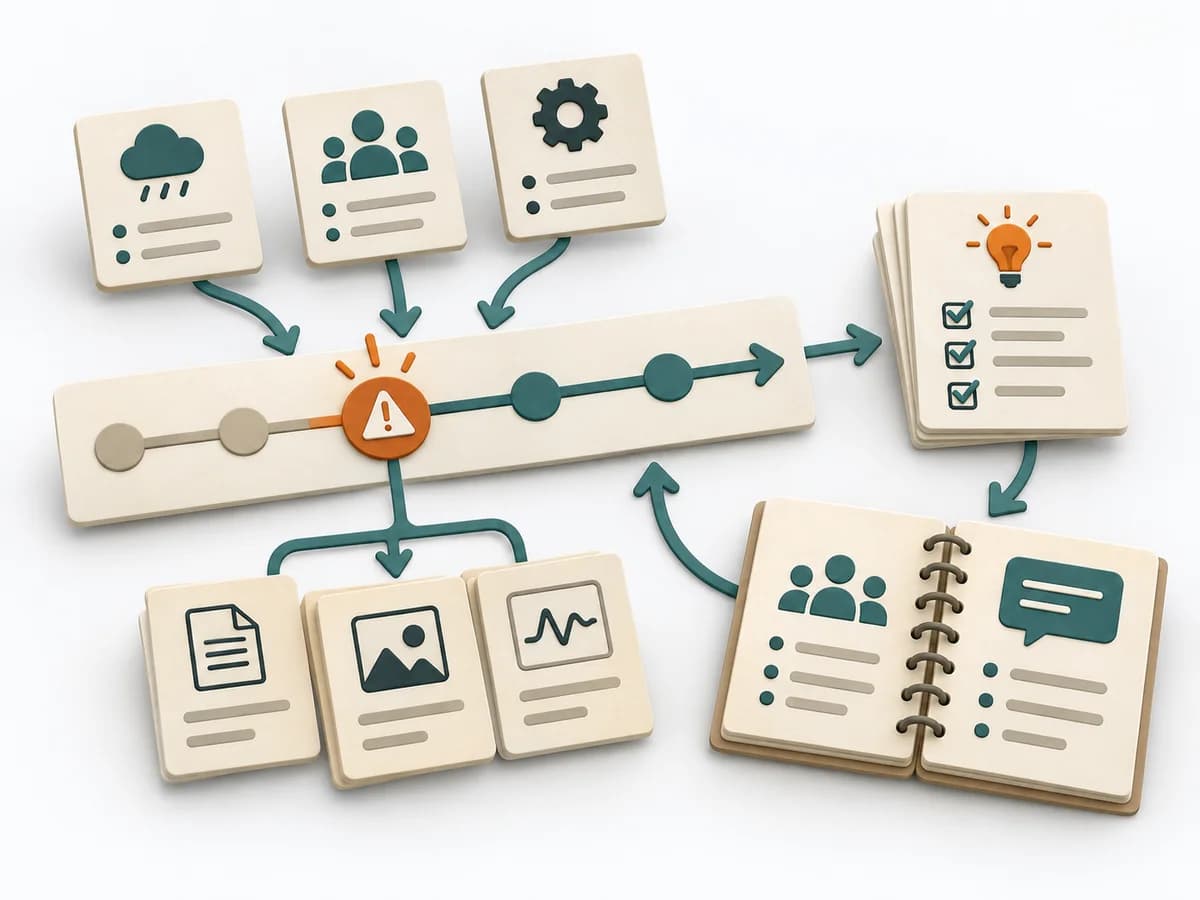 DevOps Blameless Postmortem |
|---|---|---|---|---|
Purposedifferent | During an acute incident with several people involved, the method creates a clear leadership and communication structure. It reduces chaos when fast coordination and clean situational awareness are both needed at once. | Leverage Points show exactly where interventions in a system produce a disproportionate effect. It draws relationships, patterns, and feedback loops. The result is captured as a leverage map and action strategy. | When knowledge is distributed and direct dominance should be avoided, groups quickly fall under the sway of their opinion leaders. The Delphi Method gathers assessments iteratively and gradually brings expert judgments closer together. | After an incident with damage or a near miss, the method creates a sober field for learning without assigning blame. It directs attention to the course of events, conditions, and effective countermeasures. |
Complexitydifferent | Medium | High | High | Medium |
Timedifferent | As needed | Half day | 1-4 Wochen | 30-90 min |
Participantsdifferent | 4-15 | 3-12 | 6-30 Experten | 3-12 |
Formatdifferent | Workshop + async | Workshop | Async | Workshop + async |
Outputdifferent | Incident Log, Action Tracker, Stakeholder Updates | Leverage Map, Action Strategy | Expert Forecast, Consensus Range, Assumption Notes | Postmortem Doc, Action Items, Timeline |
Tagsno overlap | IncidentOperationsReliability | Systems thinkingChangeStrategy | ForecastingExpertsDecisionStrategy | Site Reliability EngineeringIncidentLearningReliability |