View methods side by side.
Choose up to four methods. Add them using the search and share the comparison by copying its link.
| Criterion |  DevOps Incident Command | 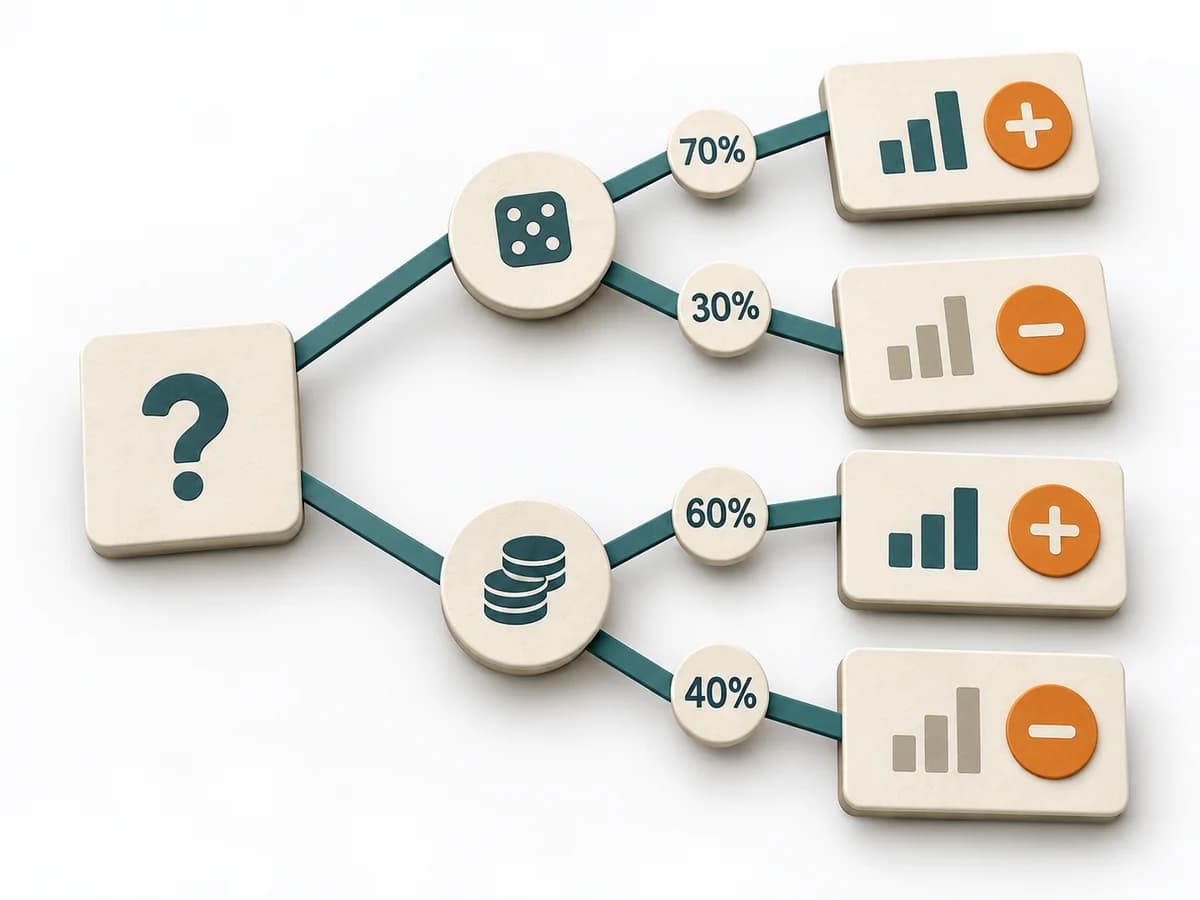 Decision Making Decision Tree | 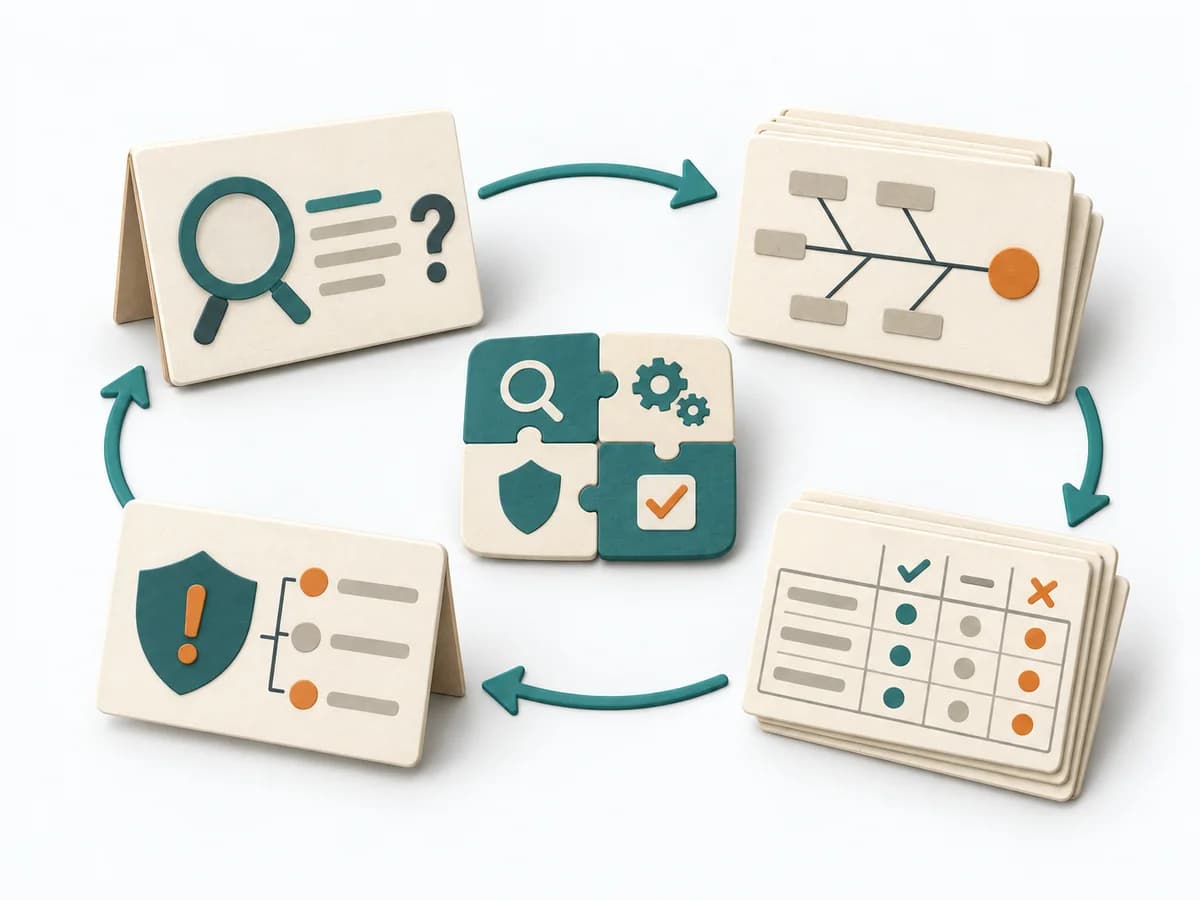 Operations Kepner-Tregoe | 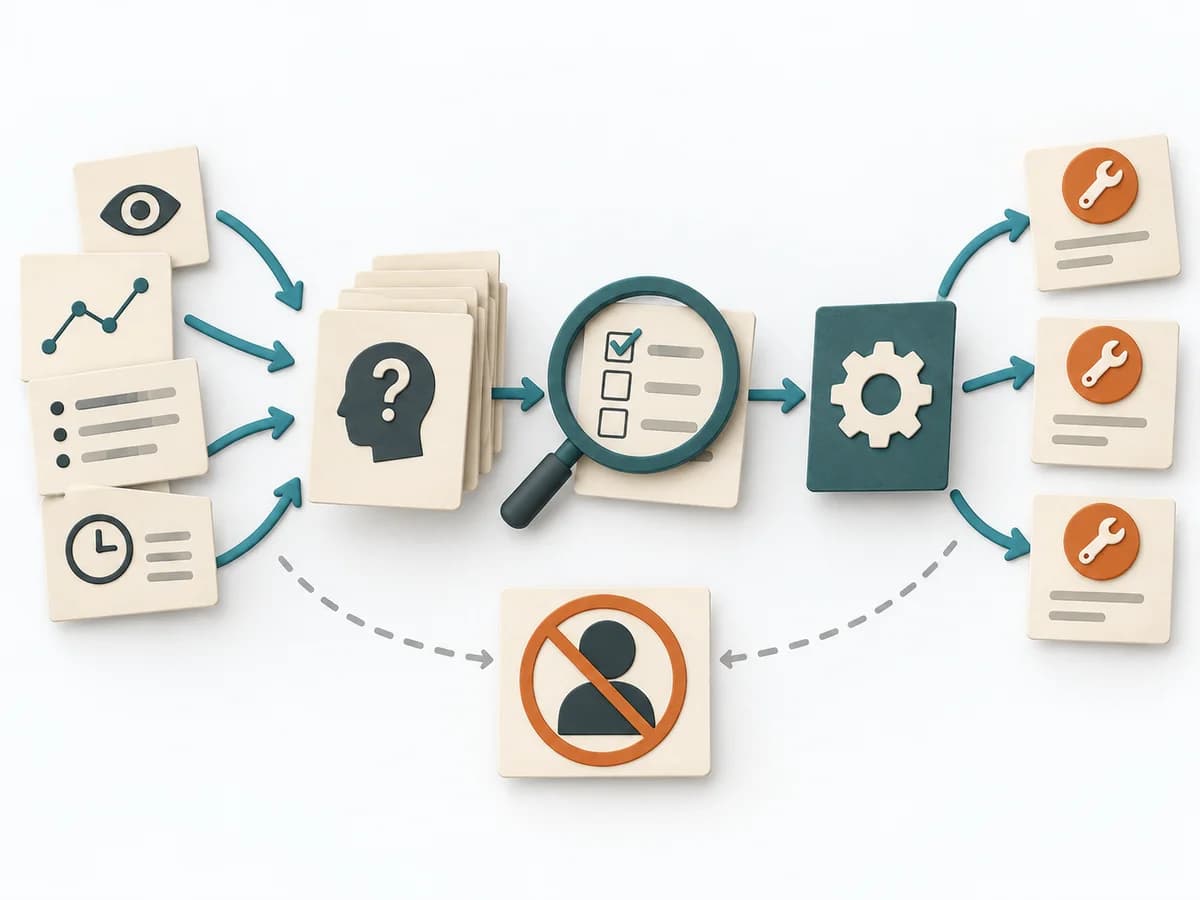 Operations Root Cause Analysis |
|---|---|---|---|---|
Purposedifferent | During an acute incident with several people involved, the method creates a clear leadership and communication structure. It reduces chaos when fast coordination and clean situational awareness are both needed at once. | For decisions with follow-on paths and dependencies, a linear comparison is often not enough. A Decision Tree shows how options branch under conditions and which consequences hang on each branch. | For a disturbance that's hard to pin down, the method cleanly separates problem, cause, and decision. It reduces mixing when symptoms allow several interpretations. | When a problem keeps recurring and the cause stays unclear, the method exposes the underlying mechanism. It separates symptom, guess, and robust explanation from one another. |
Complexitydifferent | Medium | Medium | High | Medium |
Timedifferent | As needed | 30-90 min | 2-8 h | 1-4 h |
Participantsdifferent | 4-15 | 1-6 | 2-8 | 3-8 |
Formatsame | Workshop + async | Workshop + async | Workshop + async | Workshop + async |
Outputdifferent | Incident Log, Action Tracker, Stakeholder Updates | Decision Tree, Option Map, Assumption List | Problem Analysis, Decision Analysis, Risk Plan | Problem Statement, Cause Hypotheses, Confirmed Causes, Action Plan |
Tagsno overlap | IncidentOperationsReliability | DecisionTreeOptions | Problem solvingRoot causeDecisionOperations | Root causeProblem solvingQualityIncident |