View methods side by side.
Choose up to four methods. Add them using the search and share the comparison by copying its link.
| Criterion |  DevOps Incident Command | 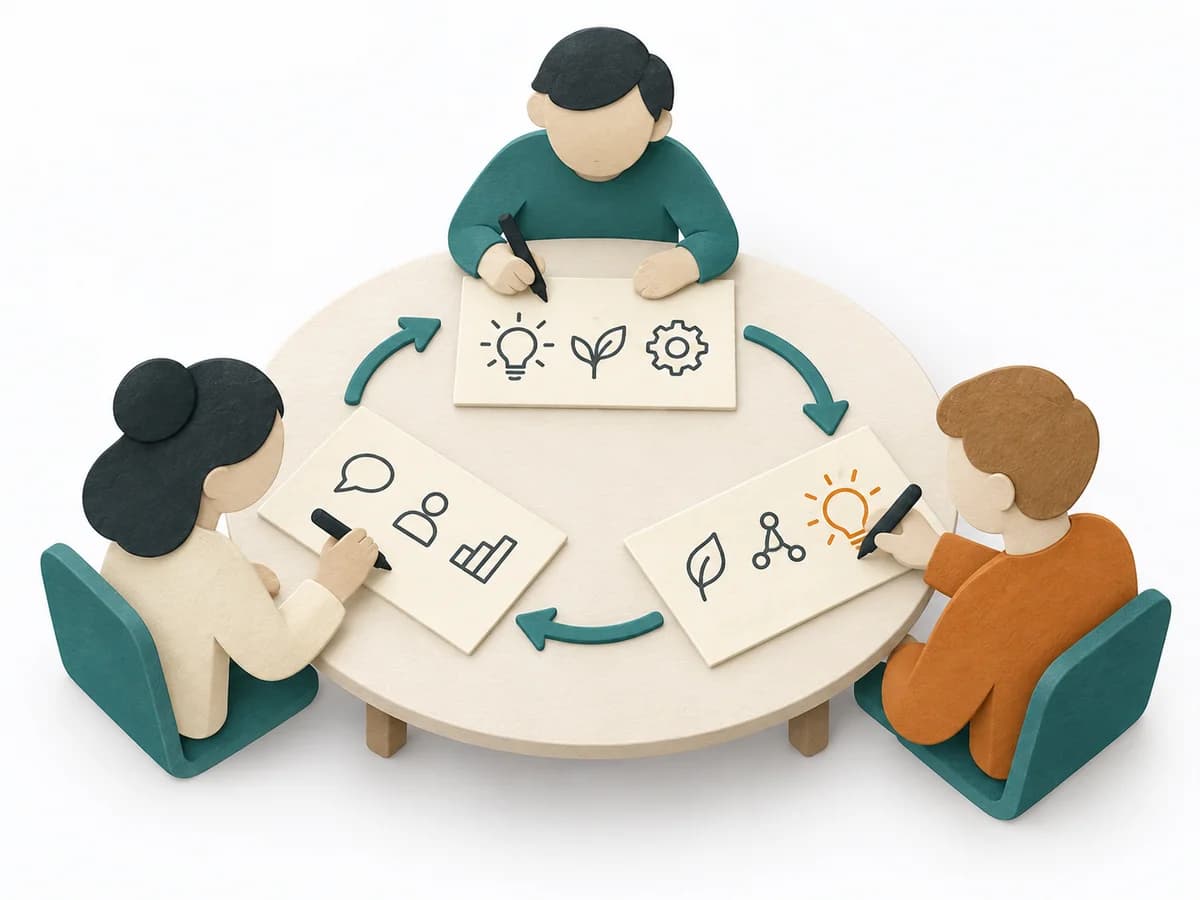 Innovation Brainwriting |  Operations After-Action Review | 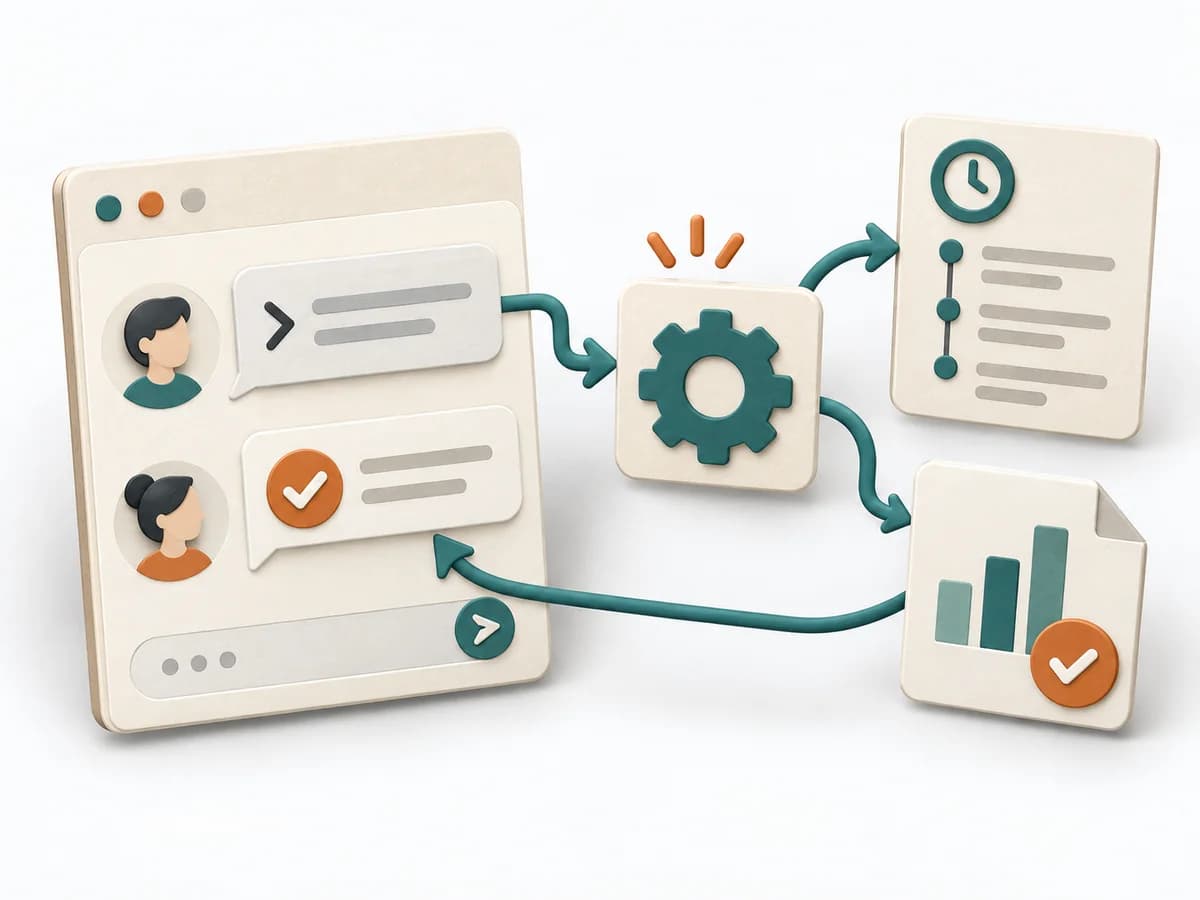 DevOps ChatOps |
|---|---|---|---|---|
Purposedifferent | During an acute incident with several people involved, the method creates a clear leadership and communication structure. It reduces chaos when fast coordination and clean situational awareness are both needed at once. | When loud voices or hierarchy distort the idea search, the method creates a quiet entry into joint development. It gives everyone thinking space and gathers contributions without social brakes, making diversity more visible and easier to build on. | After missions or project phases with unclear outcomes, the method makes visible what actually happened and what can be learned from it. It separates course, effect, and causes so experience turns into solid improvement. | For operational work in a distributed team, the method links communication with direct system control. It records decisions right where the signal, the context, and the execution come together. |
Complexitydifferent | Medium | Low | Low | Medium |
Timedifferent | As needed | 15-30 min | 20-45 min | Ongoing |
Participantsdifferent | 4-15 | 3-12 | 3-12 | 2-20 |
Formatsame | Workshop + async | Workshop + async | Workshop + async | Workshop + async |
Outputdifferent | Incident Log, Action Tracker, Stakeholder Updates | Idea sheets, Expanded concepts, Prioritized list | Lessons learned, Action items, Event summary | Chat Transcript, Action Log, Automations |
Tagsno overlap | IncidentOperationsReliability | BrainstormingCollaborationInclusionIdeas | LearningOperationsImprovement | CollaborationEngineeringIncident |