View methods side by side.
Choose up to four methods. Add them using the search and share the comparison by copying its link.
Selected:Incident CommandATAM (Architecture Tradeoff Analysis Method)Learning Review4Ls Retrospective
| Criterion |  DevOps Incident Command |  Architecture ATAM (Architecture Tradeoff Analysis Method) | 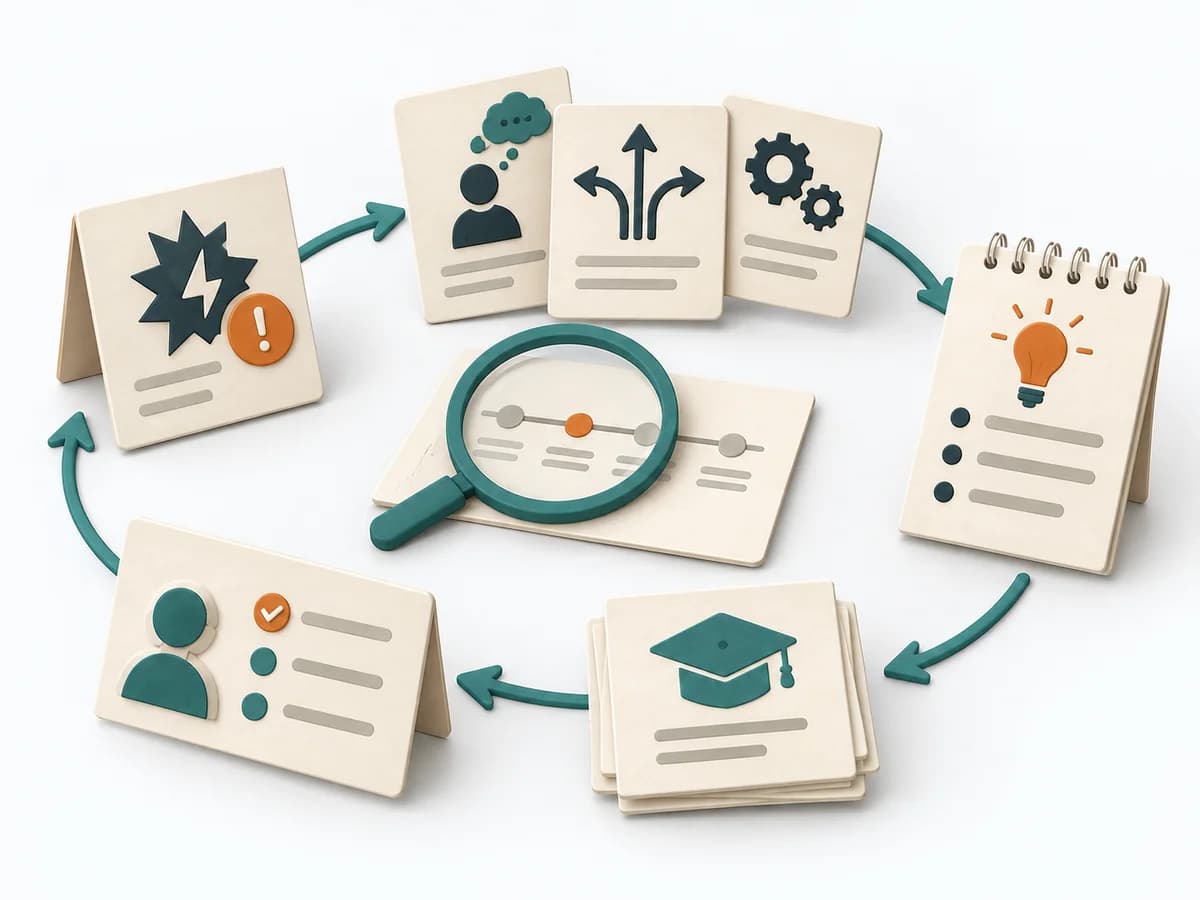 Operations Learning Review | 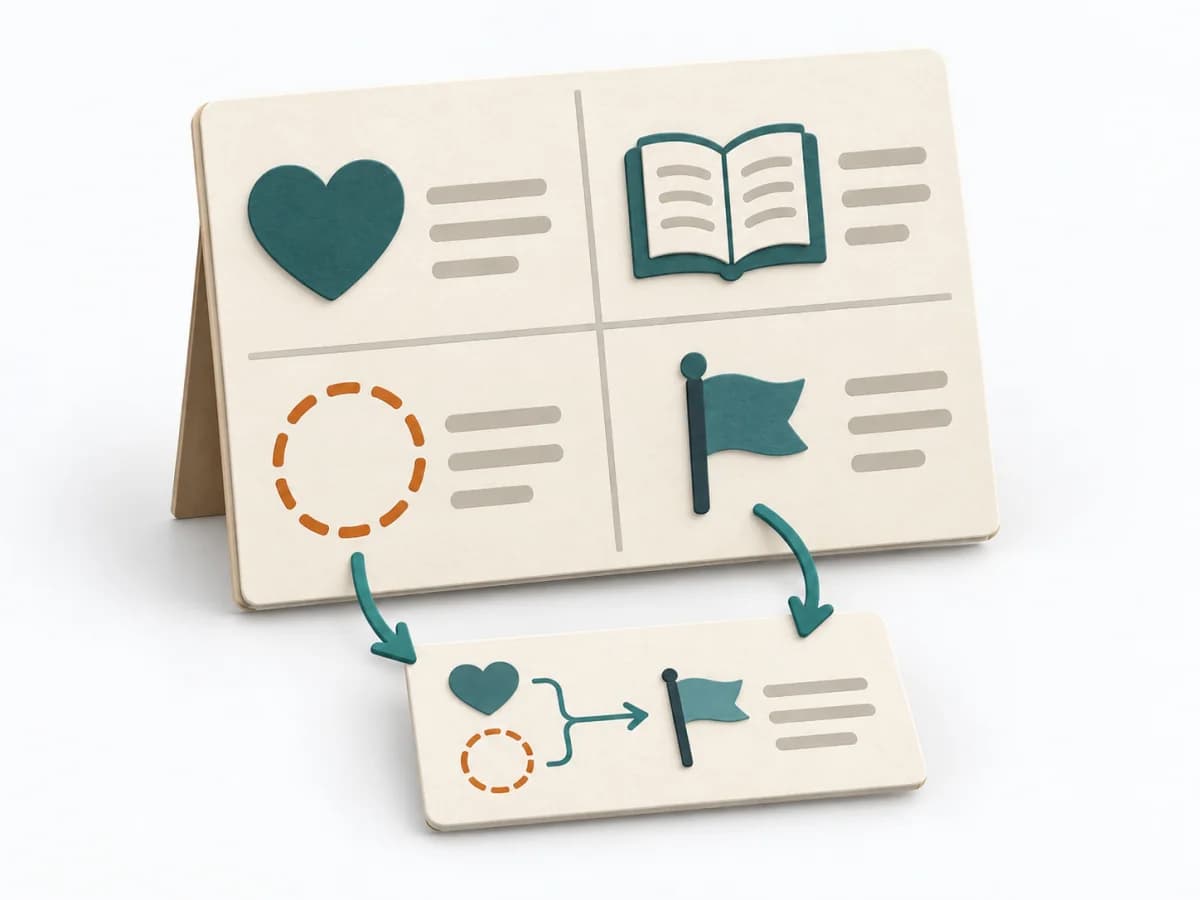 Agile 4Ls Retrospective |
|---|---|---|---|---|
Purposedifferent | During an acute incident with several people involved, the method creates a clear leadership and communication structure. It reduces chaos when fast coordination and clean situational awareness are both needed at once. | ATAM helps teams weigh architecture decisions when quality goals compete. The team considers business goals, stakeholder expectations, and technical decisions together. The evaluation shows which risks need further investigation. | After a project phase with mixed results, the method makes learning from the individual case reusable. It connects events, decisions, and systemic conditions into robust insights. | When a sprint should not only be assessed but also learned from, it captures experience in clear learning categories. It records what worked, what's missing, and what should run differently next time. |
Complexitydifferent | Medium | High | Medium | Low |
Timedifferent | As needed | Several meetings plus preparation and analysis; total effort depends on scope | 1-3 h | 45–75 min |
Participantsdifferent | 4-15 | Evaluation team, architects, and relevant stakeholders | 3-10 | Team members involved |
Formatdifferent | Workshop + async | Workshop + async | Workshop | Workshop |
Outputdifferent | Incident Log, Action Tracker, Stakeholder Updates | Prioritized quality scenarios in a utility tree, Architecture risks with reasoning and assumptions, Sensitivity and trade-off points, Findings report with open investigations | Learning Review Notes, System Factors, Improvement Actions | 4Ls Board, Learning Themes, Improvement Actions |
Tagsno overlap | IncidentOperationsReliability | ArchitectureQualityRiskTradeoffsStakeholders | LearningRetrospectiveIncidentOperations | RetrospectiveLearningReflectionTeam |