View methods side by side.
Choose up to four methods. Add them using the search and share the comparison by copying its link.
| Criterion | 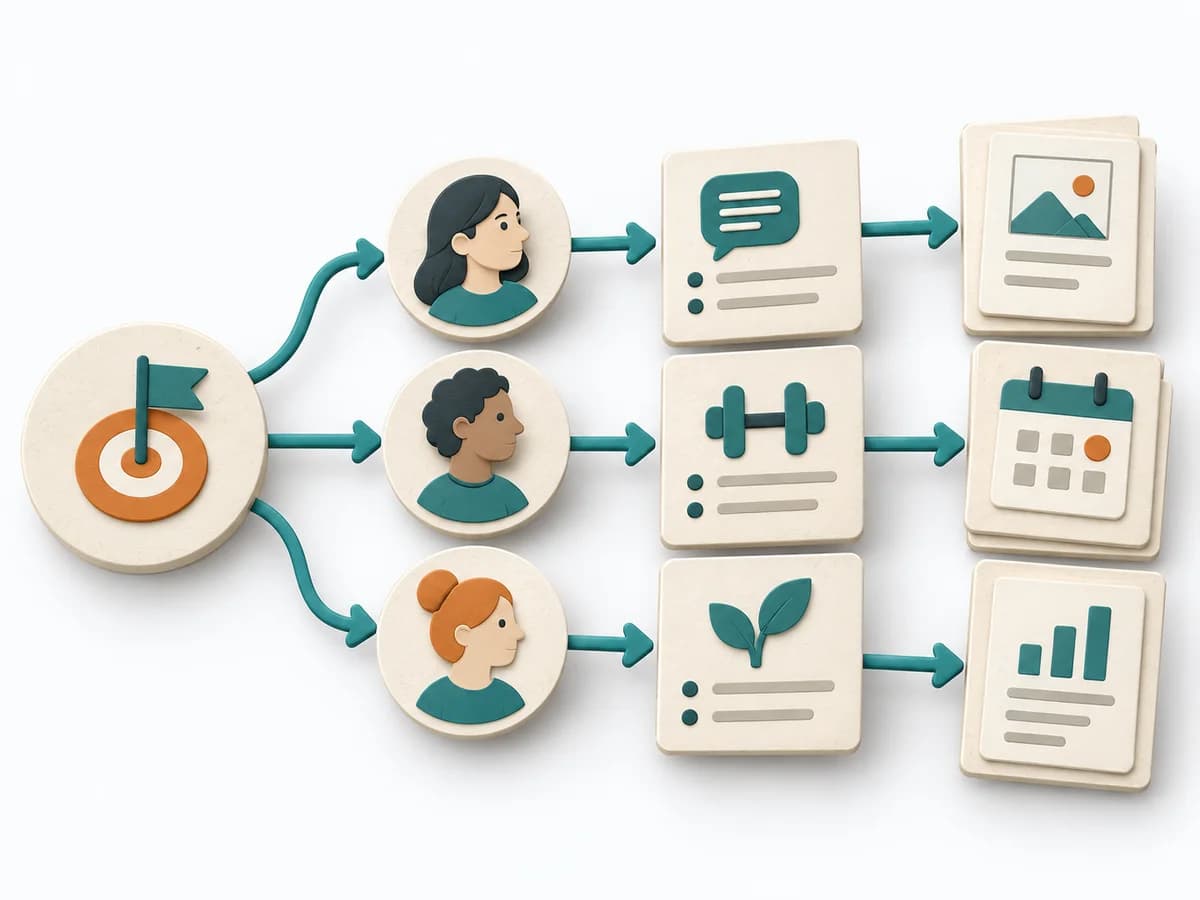 Product Strategy Impact Mapping | 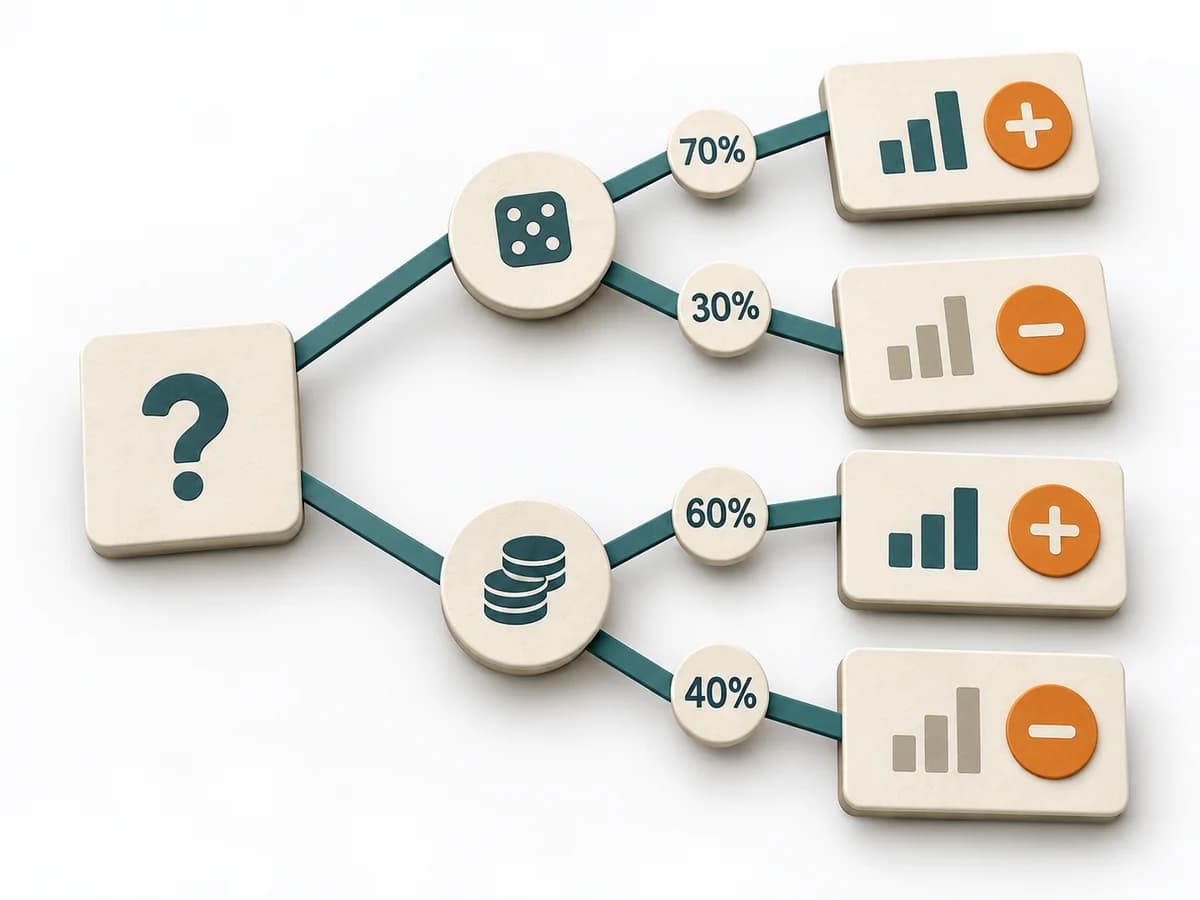 Decision Making Decision Tree |  Facilitation Stakeholder Mapping |  Decision Making Force Field Analysis |
|---|---|---|---|---|
Purposedifferent | When a goal needs to be connected to several possible paths, it shows chains of impact instead of feature lists. It connects business goal, behavior change, and measures. | For decisions with follow-on paths and dependencies, a linear comparison is often not enough. A Decision Tree shows how options branch under conditions and which consequences hang on each branch. | When an initiative depends on many people, interests, and power dynamics, Stakeholder Mapping systematically orders the environment. It shows who influences, who is affected, and where relationship management or safeguarding matters first. | In change initiatives, supporting and restraining forces sit at the table at the same time. Force Field Analysis makes these tensions explicit and shows where change can be pushed forward by strengthening or relieving. |
Complexitydifferent | Medium | Medium | Low | Low |
Timedifferent | 45-90 min | 30-90 min | 60–90 min | 45-90 min |
Participantsdifferent | 3-8 | 1-6 | 2-8 | 3-12 |
Formatdifferent | Workshop | Workshop + async | Workshop + async | Workshop |
Outputdifferent | Impact Map, Outcome Hypotheses, Delivery Options | Decision Tree, Option Map, Assumption List | Stakeholder Map, Engagement Plan, Risk Notes | Force Field Map, Change Levers, Risk Notes |
Tagsno overlap | OutcomesStrategyBehaviorPlanning | DecisionTreeOptions | StakeholdersAlignmentFacilitationChange | ChangeDecisionStrategy |