View methods side by side.
Choose up to four methods. Add them using the search and share the comparison by copying its link.
| Criterion | 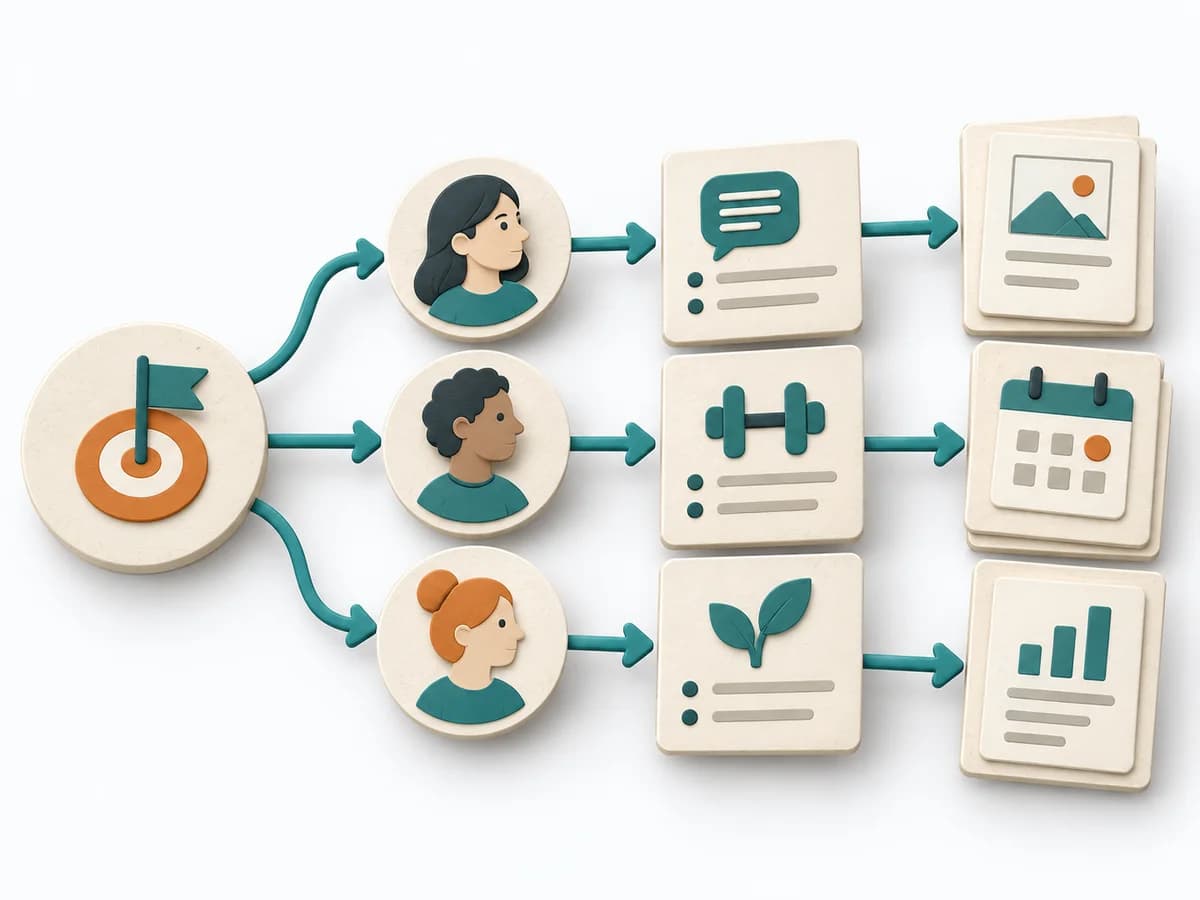 Product Strategy Impact Mapping |  Decision Making Assumption Surfacing | 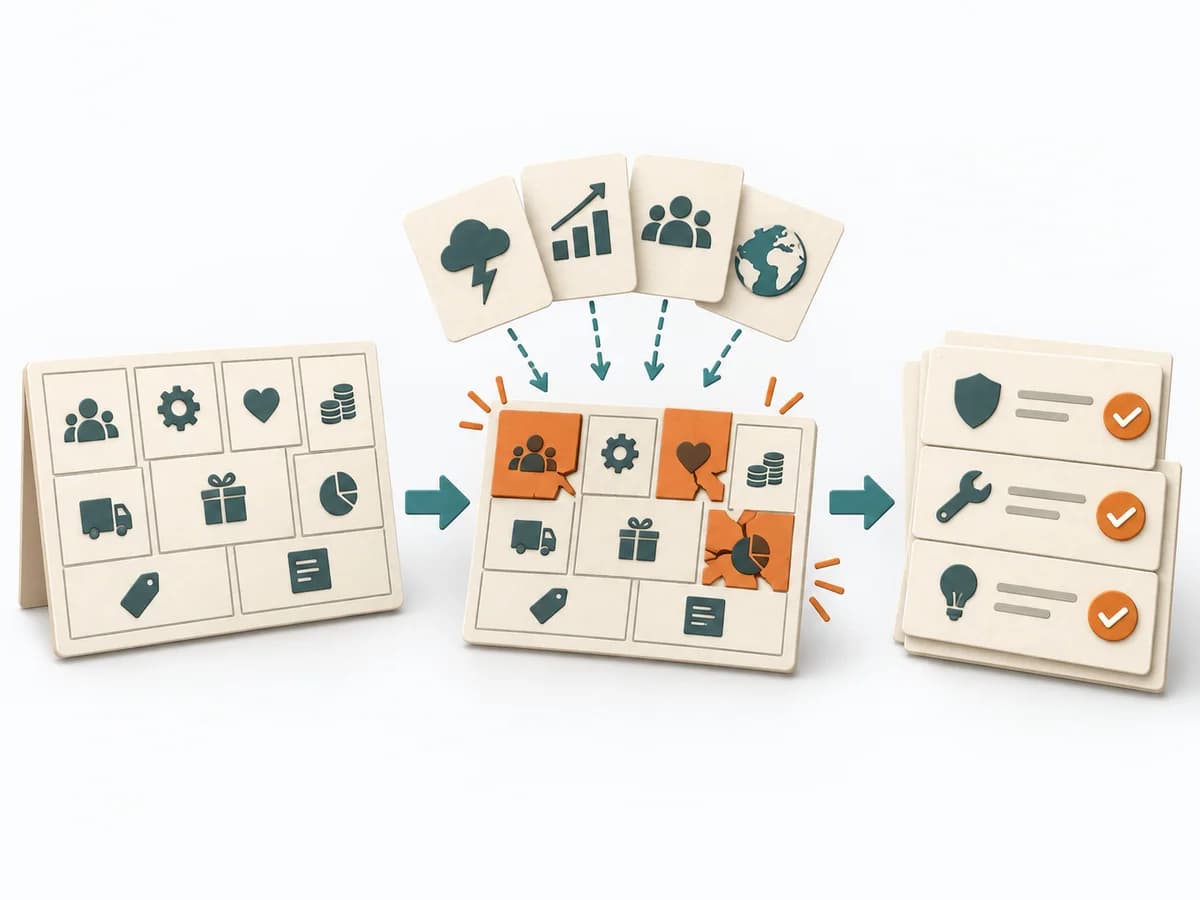 Business Strategy Business Model Stress Test | 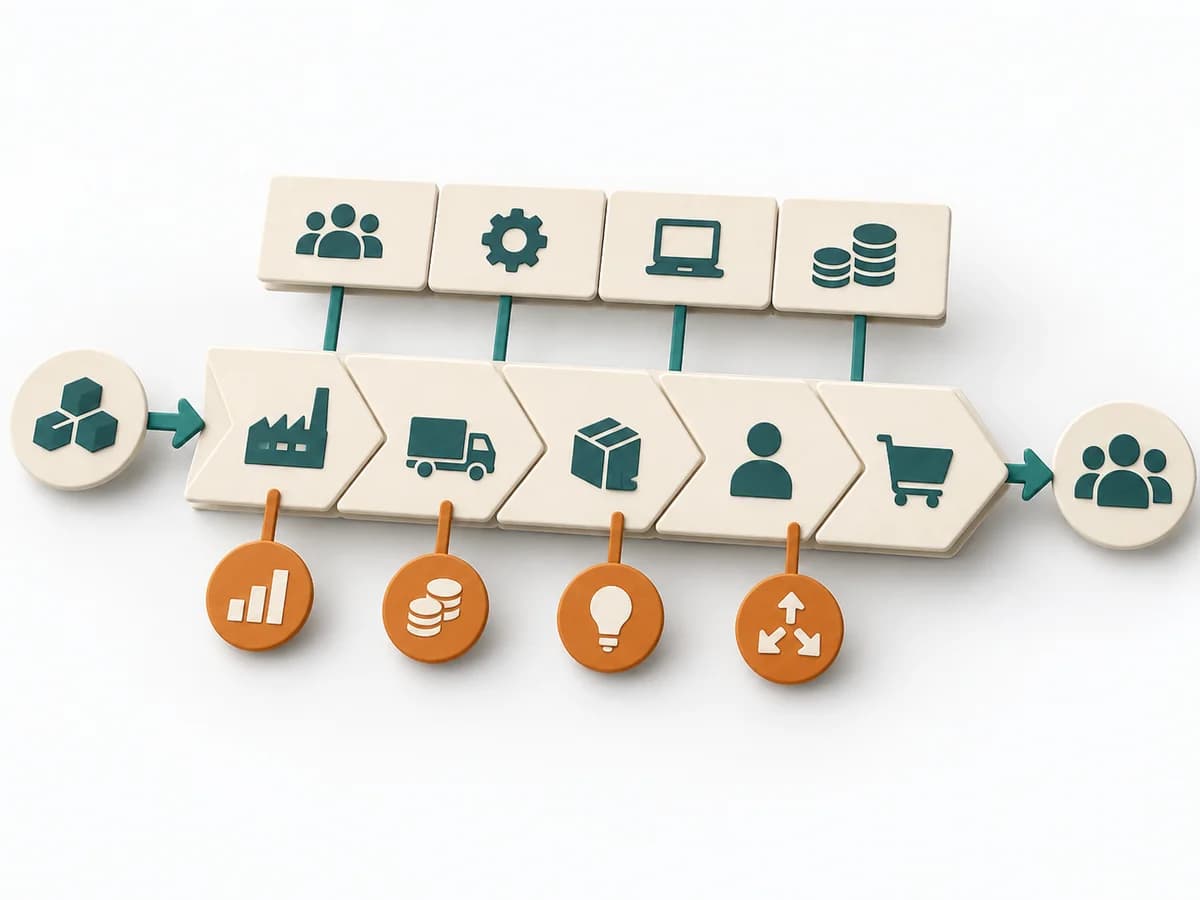 Business Strategy Value Chain Analysis |
|---|---|---|---|---|
Purposedifferent | When a goal needs to be connected to several possible paths, it shows chains of impact instead of feature lists. It connects business goal, behavior change, and measures. | Plans often contain assumptions that were never openly stated and remain dangerous precisely because of that. Assumption Surfacing makes these silent premises visible and prioritizes which of them carry the initiative or could sink it. | A Business Model Stress Test checks how well a business model holds up under pressure and headwinds. It compares strengths, risks, market logic, and courses of action. The result is captured as a stress-test report and action plan per scenario. | Value Chain Analysis shows where value is created, costs accrue, and differentiation becomes possible along the process. It compares strengths, risks, market logic, and courses of action. The result is captured as a value-chain map and lever list. |
Complexitydifferent | Medium | Low | High | High |
Timedifferent | 45-90 min | 45-90 min | Half day | Half day |
Participantsdifferent | 3-8 | 2-8 | 3-8 | 3-8 |
Formatdifferent | Workshop | Workshop + async | Workshop | Workshop |
Outputdifferent | Impact Map, Outcome Hypotheses, Delivery Options | Assumption List, Critical Assumptions, Learning Plan | Stress Test Report, Action Plan per Scenario | Value Chain Map, Lever List |
Tagsno overlap | OutcomesStrategyBehaviorPlanning | AssumptionsRiskDecisionDiscovery | StrategyBusiness modelRiskDiagnosis | StrategyBusiness modelDiagnosisAnalysis |