View methods side by side.
Choose up to four methods. Add them using the search and share the comparison by copying its link.
| Criterion | 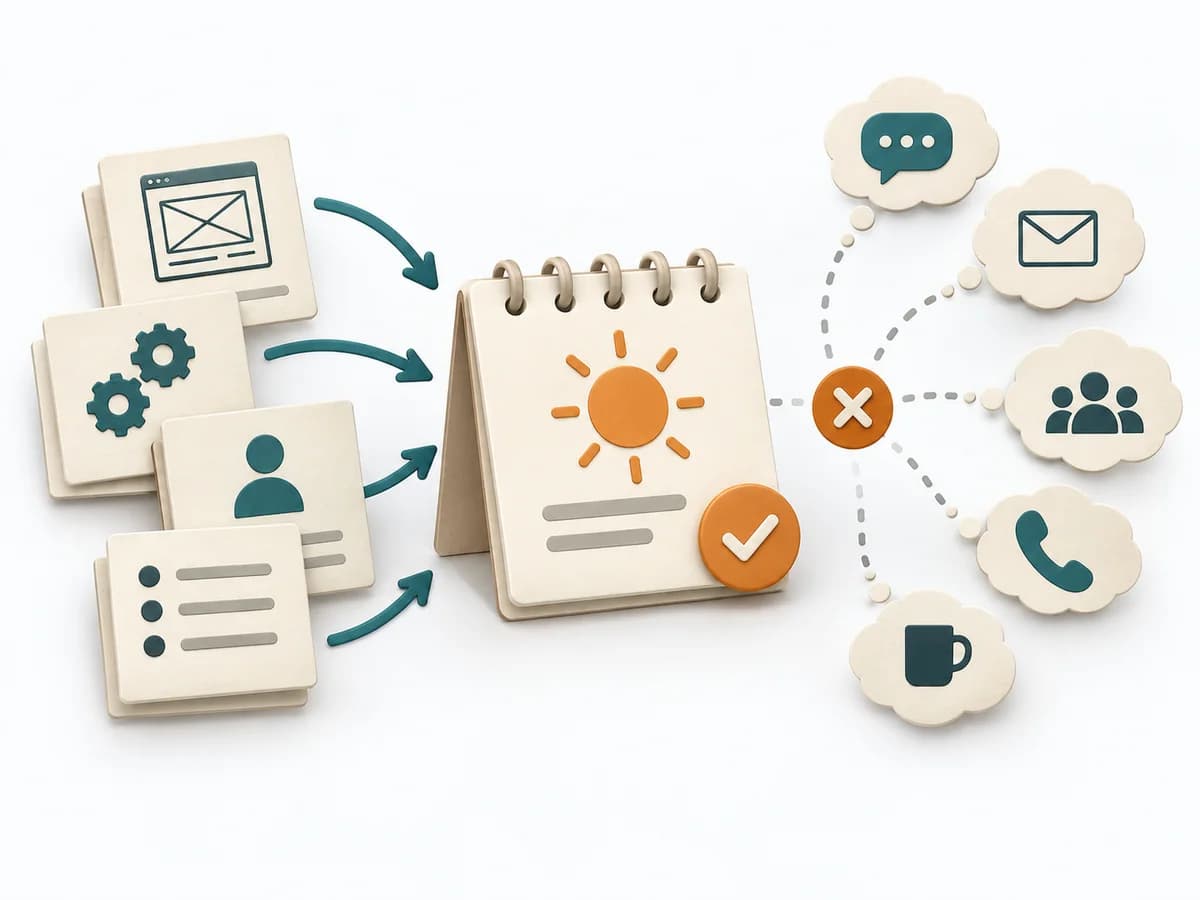 Agile Ideal Days | 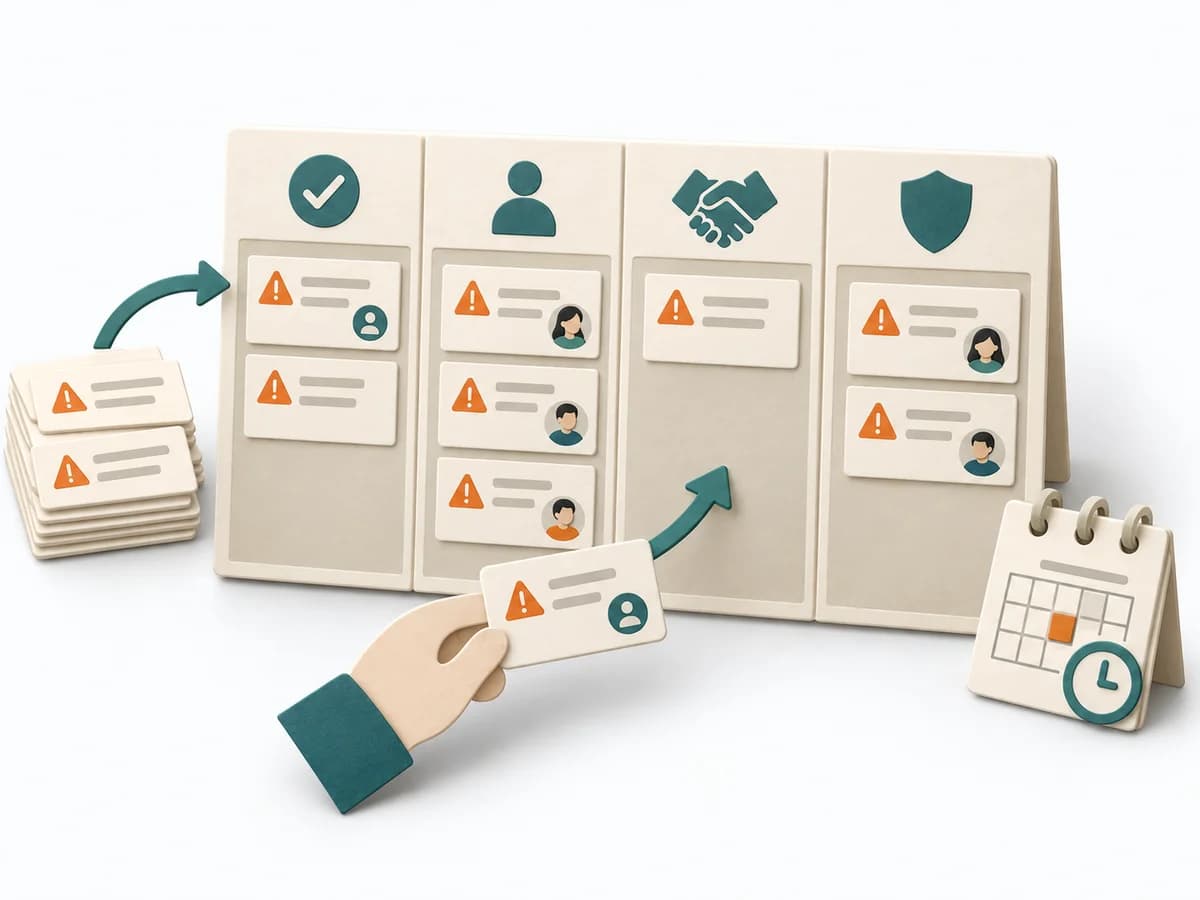 Agile ROAM Board | 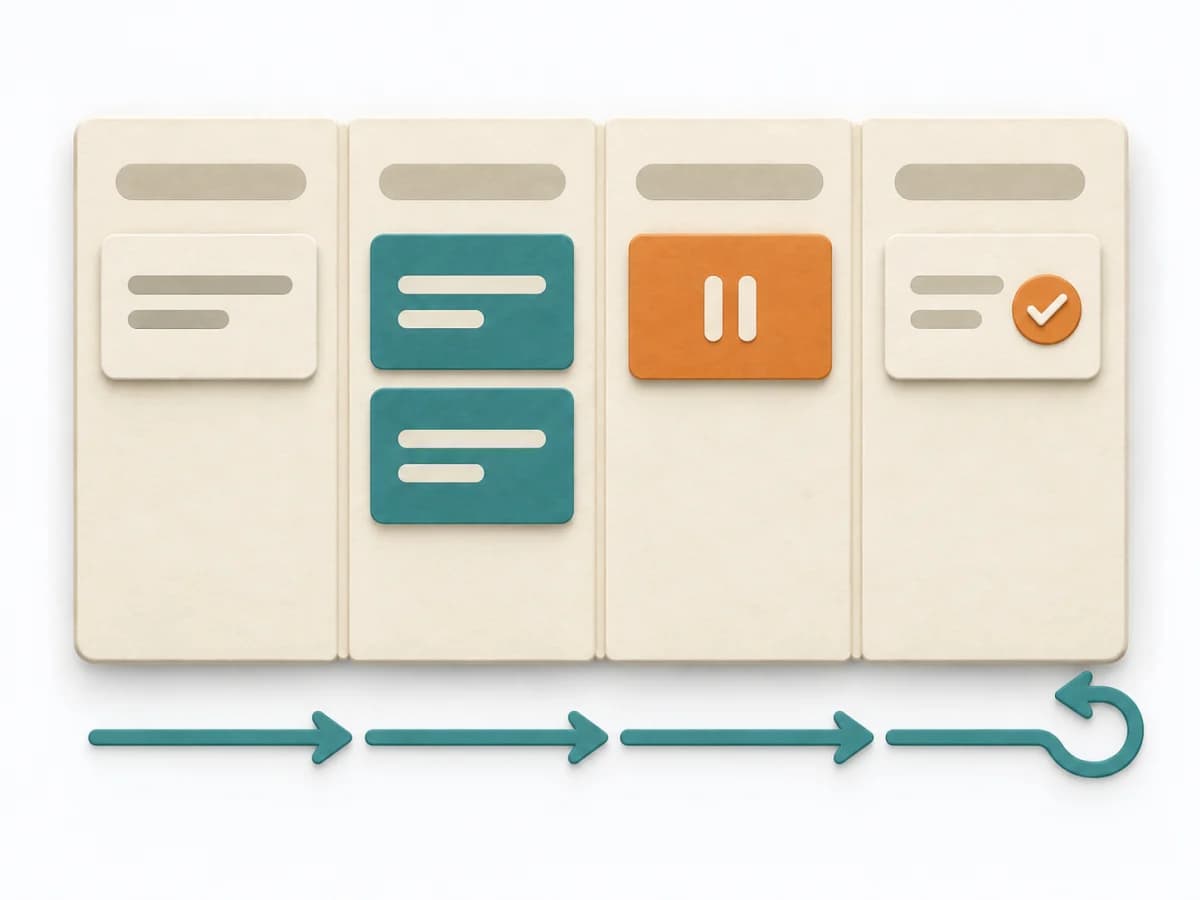 Engineering Kanban | 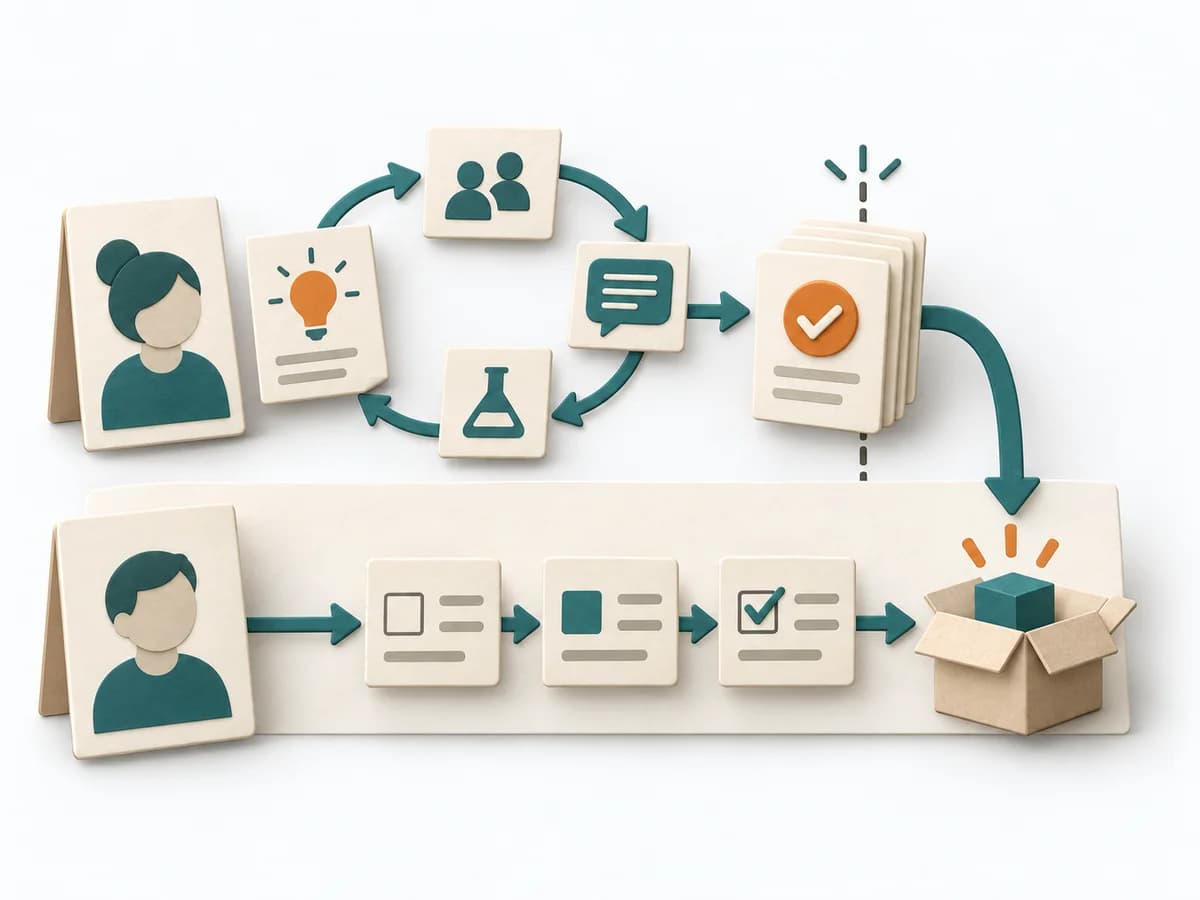 Product Discovery Dual-Track Agile |
|---|---|---|---|---|
Purposedifferent | When effort needs to be thought of as real working time, it offers a simple common denominator for comparison. It sorts work by value, risk, and delivery ability. The result is captured as Ideal Day Estimates, Assumption Notes, and Capacity Caveats. | When work needs to move between different states or columns, it makes that movement and its handoffs legible. It sorts work by value, risk, and delivery ability. The result is captured as a ROAM Board and an Owner List. | When work sits in too many parallel streams, throughput suffers and no one sees the bottlenecks. Kanban makes the flow of work visible and limits overload so a system becomes calmer and more predictable. | When uncertainty and delivery run in parallel, it separates learning work from implementation while keeping both connected. It prevents unvalidated ideas from falling directly into the delivery stream. |
Complexitydifferent | Low | Low | Medium | Medium |
Timedifferent | 15-60 min | 20-40 min initial, dann laufend | Ongoing | Laufend, Wochen bis Monate |
Participantsdifferent | 2-9 | 3-15 | 2-12 | 4-10 |
Formatsame | Workshop + async | Workshop + async | Workshop + async | Workshop + async |
Outputdifferent | Ideal Day Estimates, Assumption Notes, Capacity Caveats | ROAM Board, Owner List | Kanban board, WIP policies, Flow metrics | Discovery Backlog, Delivery Backlog, Experiment-Ergebnisse, Validierte Stories |
Tagsno overlap | EstimationEffortAgile | RiskAgileTrackingAlignment | FlowVisual managementDelivery | AgileDiscoveryDelivery |