View methods side by side.
Choose up to four methods. Add them using the search and share the comparison by copying its link.
| Criterion | 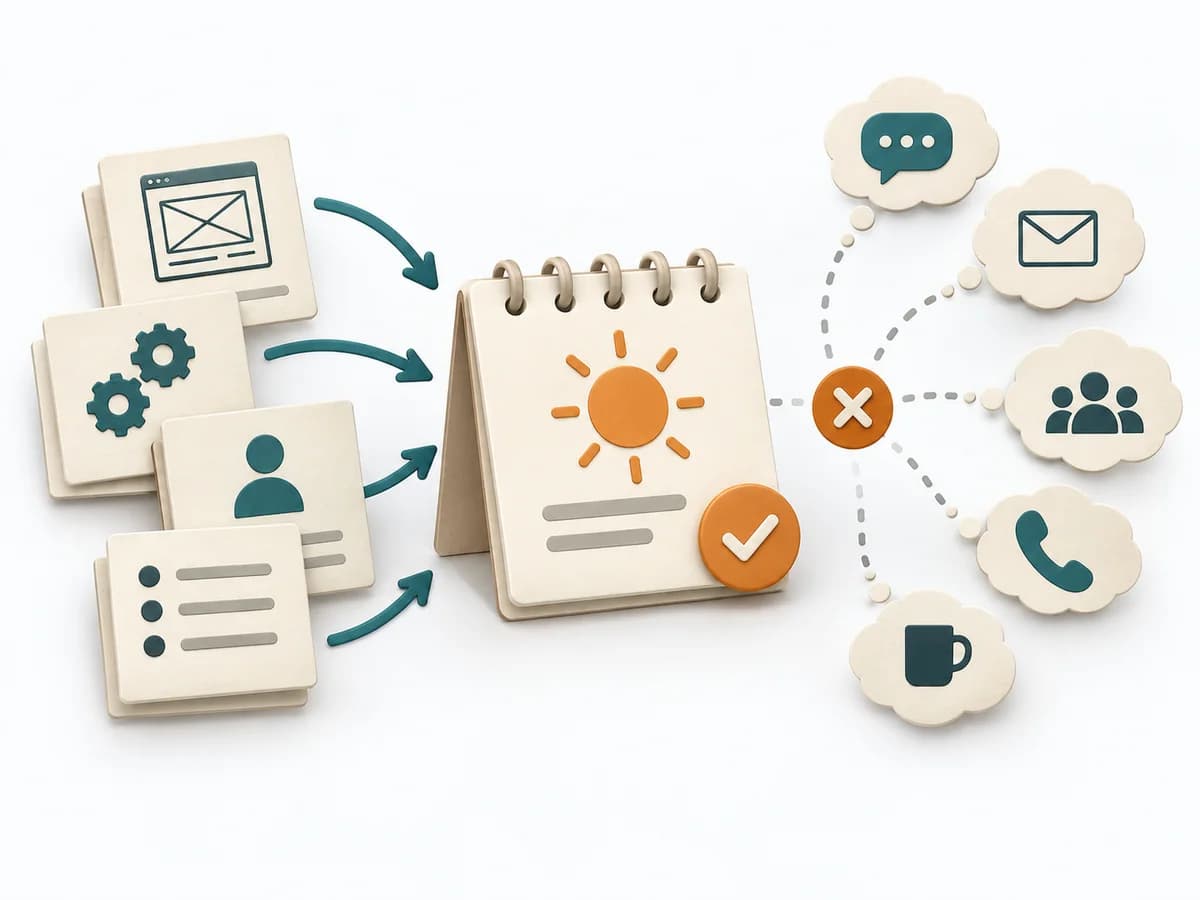 Agile Ideal Days | 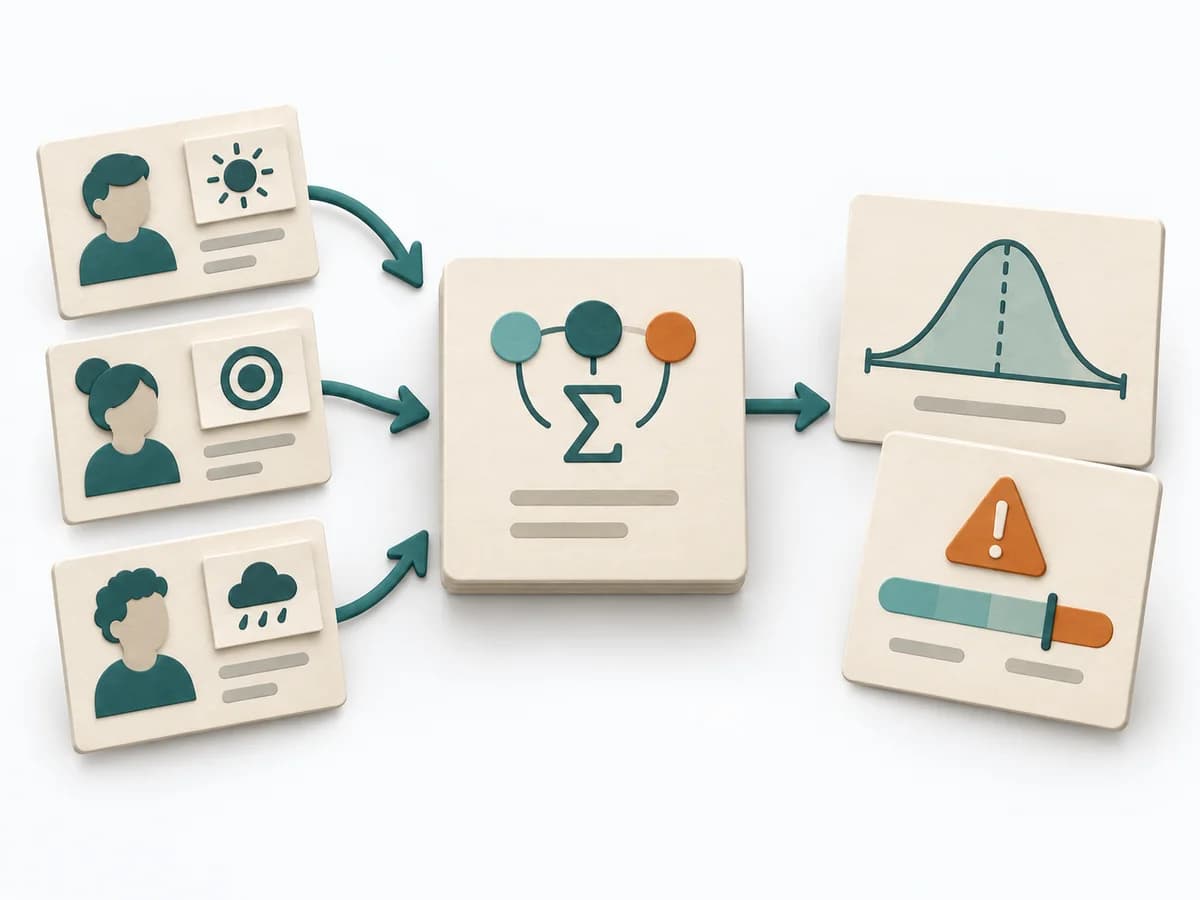 Decision Making PERT Estimation | 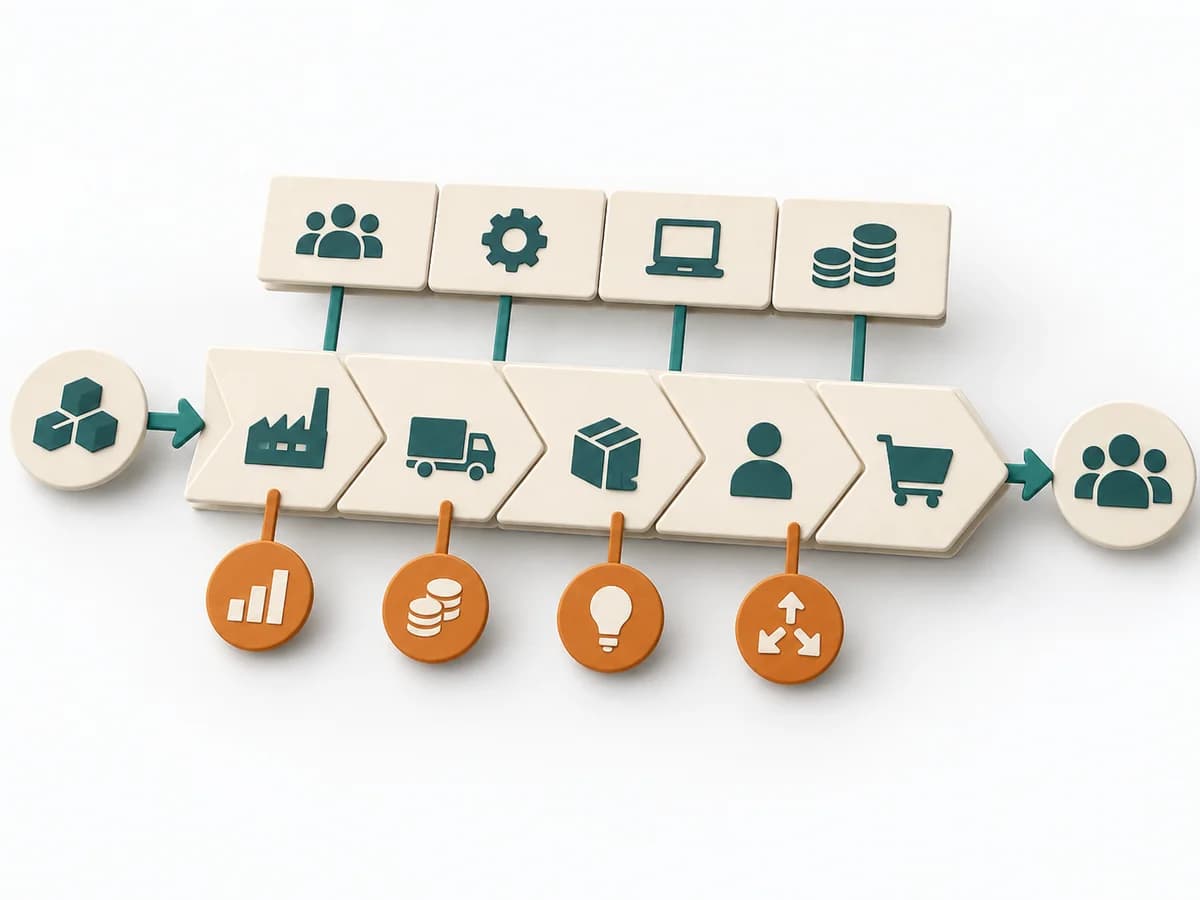 Business Strategy Value Chain Analysis | 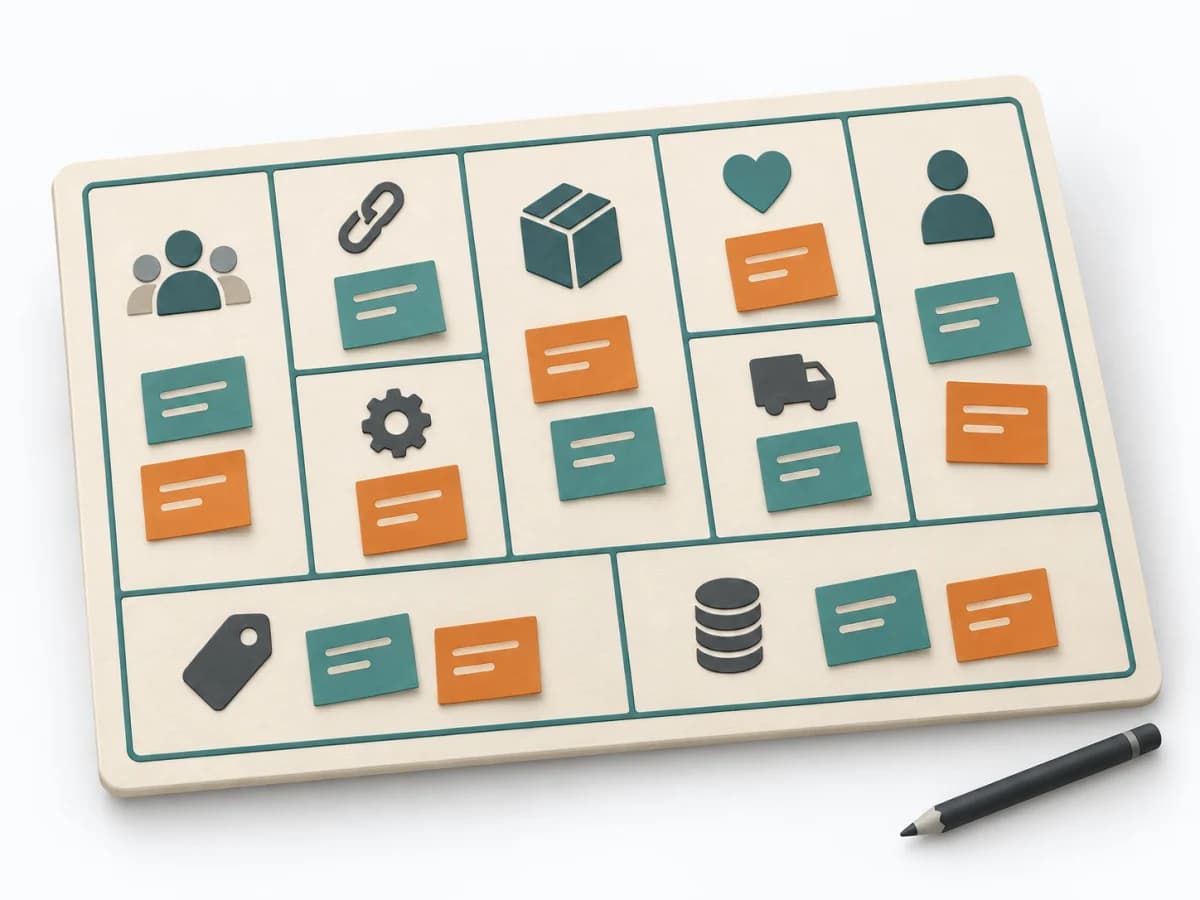 Business Strategy Business Model Canvas |
|---|---|---|---|---|
Purposedifferent | When effort needs to be thought of as real working time, it offers a simple common denominator for comparison. It sorts work by value, risk, and delivery ability. The result is captured as Ideal Day Estimates, Assumption Notes, and Capacity Caveats. | On complex initiatives, a plain average tends to understate just how uncertain the outcome really is. It separates options, evaluation criteria, and open risks. The result is captured as a PERT Estimate, Expected Value, and Risk Notes. | Value Chain Analysis shows where value is created, costs accrue, and differentiation becomes possible along the process. It compares strengths, risks, market logic, and courses of action. The result is captured as a value-chain map and lever list. | The Business Model Canvas condenses a business model to its key building blocks and assumptions. It makes variants quickly comparable and reveals gaps before validation or implementation begins. |
Complexitydifferent | Low | Medium | High | Medium |
Timedifferent | 15-60 min | 15-45 min | Half day | 1-2 h |
Participantsdifferent | 2-9 | 1-8 | 3-8 | 2-8 |
Formatdifferent | Workshop + async | Workshop + async | Workshop | Workshop + async |
Outputdifferent | Ideal Day Estimates, Assumption Notes, Capacity Caveats | PERT Estimate, Expected Value, Risk Notes | Value Chain Map, Lever List | Business Model Canvas, Assumption List, Business Hypotheses |
Tagsno overlap | EstimationEffortAgile | EstimationUncertaintyRisk | StrategyBusiness modelDiagnosisAnalysis | Business modelStrategyValueInnovation |