View methods side by side.
Choose up to four methods. Add them using the search and share the comparison by copying its link.
| Criterion |  Systems Thinking Iceberg Model |  Systems Thinking Leverage Points | 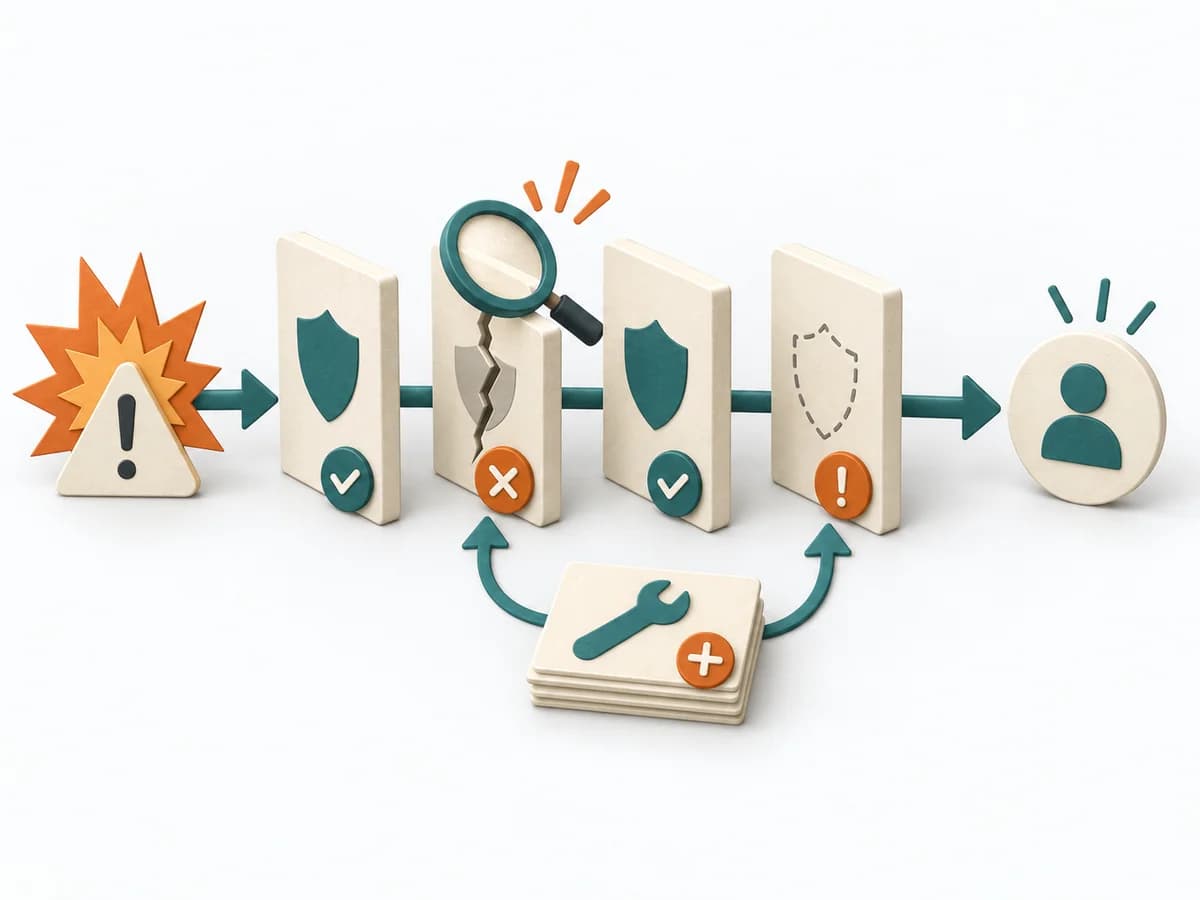 Operations Barrier Analysis |  Operations 5 Whys |
|---|---|---|---|---|
Purposedifferent | The Iceberg Model separates visible events from patterns, structures, and mental models. This turns a single observation into a deeper understanding of why a problem keeps recurring. | Leverage Points show exactly where interventions in a system produce a disproportionate effect. It draws relationships, patterns, and feedback loops. The result is captured as a leverage map and action strategy. | For a risk that can only be managed through multiple layers of protection, the method examines the effectiveness of each barrier. It shows where safeguards are missing, too weak, or fail under real conditions. | For a single, hard-to-explain deviation, the method exposes the causal chain behind the visible symptom. It keeps the cause open until a controllable condition emerges instead of a mere description. |
Complexitydifferent | Low | High | Medium | Low |
Timedifferent | 30-60 min | Half day | 2-4 h | 15-30 min |
Participantsdifferent | 2-10 | 3-12 | 2-6 | 2-6 |
Formatdifferent | Workshop + async | Workshop | Workshop + async | Workshop |
Outputdifferent | Iceberg Worksheet, Pattern Notes, Intervention Ideas | Leverage Map, Action Strategy | Barrier Inventory, Failure Analysis per Barrier, Action Backlog | Root cause notes, Countermeasures |
Tagsno overlap | Systems thinkingRoot causePatterns | Systems thinkingChangeStrategy | Root causeSafetyIncident | Root causeIncidentLeanProblem solving |