View methods side by side.
Choose up to four methods. Add them using the search and share the comparison by copying its link.
| Criterion |  Systems Thinking Iceberg Model |  Architecture arc42 | 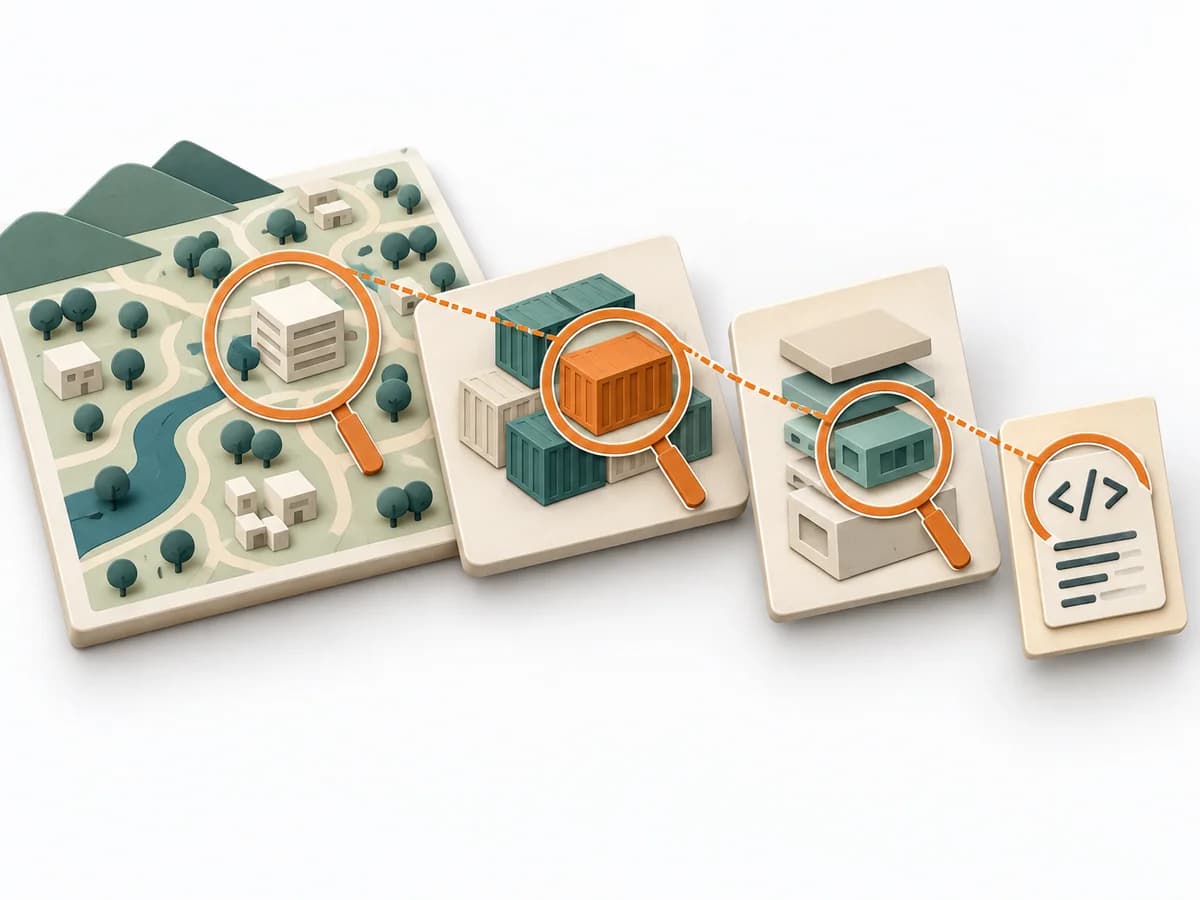 Architecture C4 Model | 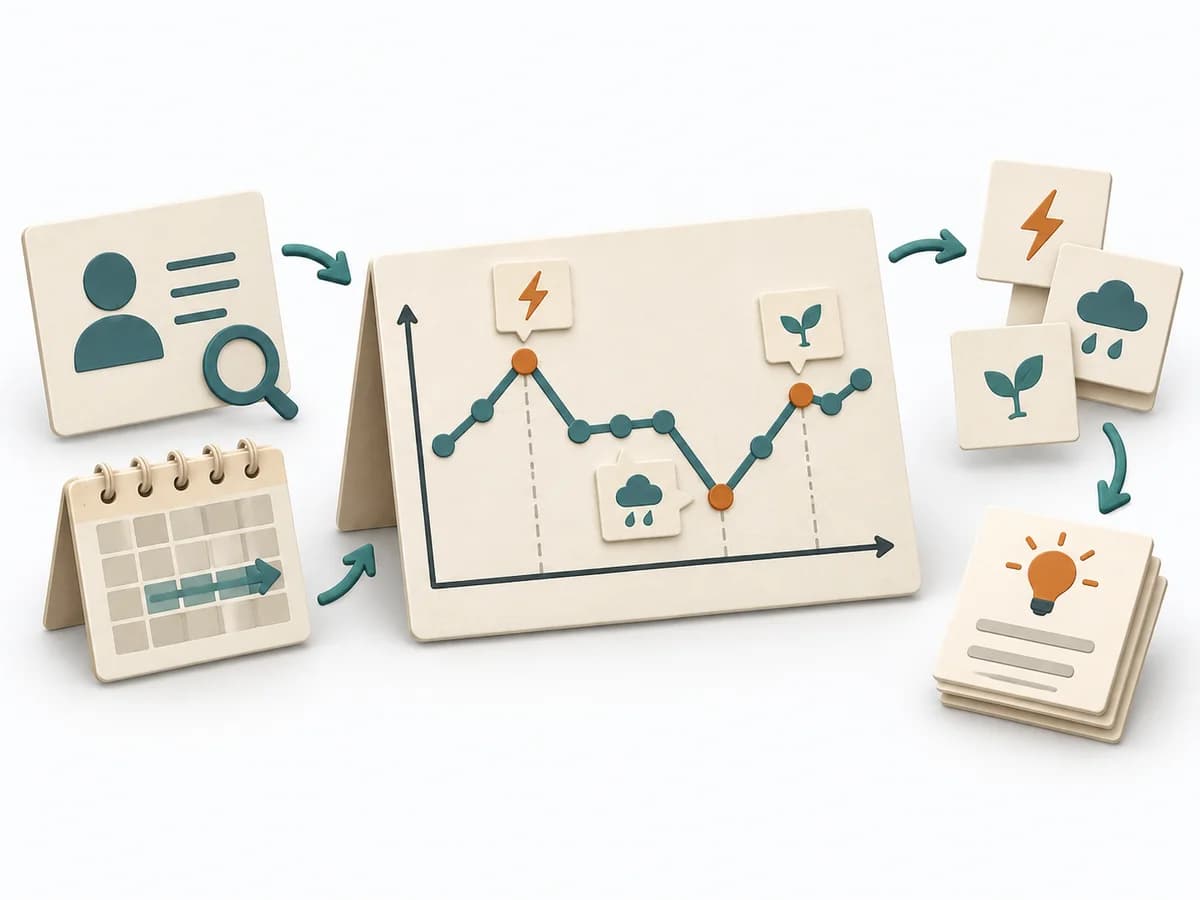 Systems Thinking Behavior Over Time Graph |
|---|---|---|---|---|
Purposedifferent | The Iceberg Model separates visible events from patterns, structures, and mental models. This turns a single observation into a deeper understanding of why a problem keeps recurring. | arc42 structures architecture knowledge so teams can document system, decisions, and risks consistently. The template builds a living understanding of the architecture instead of scattered notes. | The C4 Model makes a system legible across several resolution levels, from context down to code. It suits situations where different audiences need to understand the same architecture from different altitudes. | A Behavior Over Time Graph shows how a metric or observation develops over time. The method makes trends, breaks, and recurring patterns visible that get lost in snapshots. |
Complexitysame | Low | Low | Low | Low |
Timedifferent | 30-60 min | 1-2 Tage | 1-4 h | 20-45 min |
Participantsdifferent | 2-10 | 1-4 | 1-5 | 1-10 |
Formatsame | Workshop + async | Workshop + async | Workshop + async | Workshop + async |
Outputdifferent | Iceberg Worksheet, Pattern Notes, Intervention Ideas | Architecture Document, Context View, Runtime View, Deployment View | Context Diagram, Container Diagram, Component Diagram | Behavior Over Time Graph, Trend Hypotheses, Key Events |
Tagsno overlap | Systems thinkingRoot causePatterns | ArchitectureDocumentationCommunication | ArchitectureCommunicationVisualization | Systems thinkingPatternsDynamics |