View methods side by side.
Choose up to four methods. Add them using the search and share the comparison by copying its link.
Selected:Hypothesis-Driven TroubleshootingViews and BeyondArchitecture Decision RecordFault Isolation
| Criterion |  Engineering Hypothesis-Driven Troubleshooting | 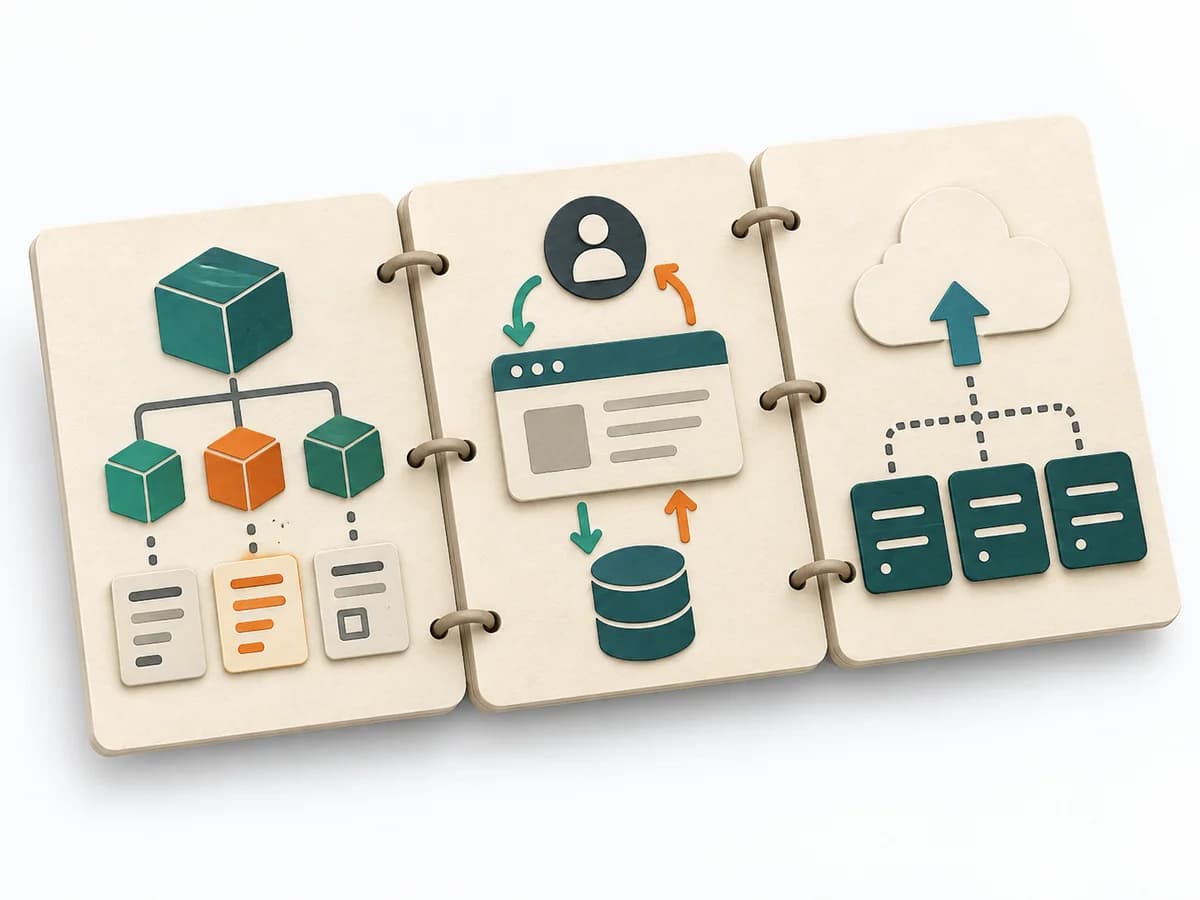 Architecture Views and Beyond |  Architecture Architecture Decision Record | 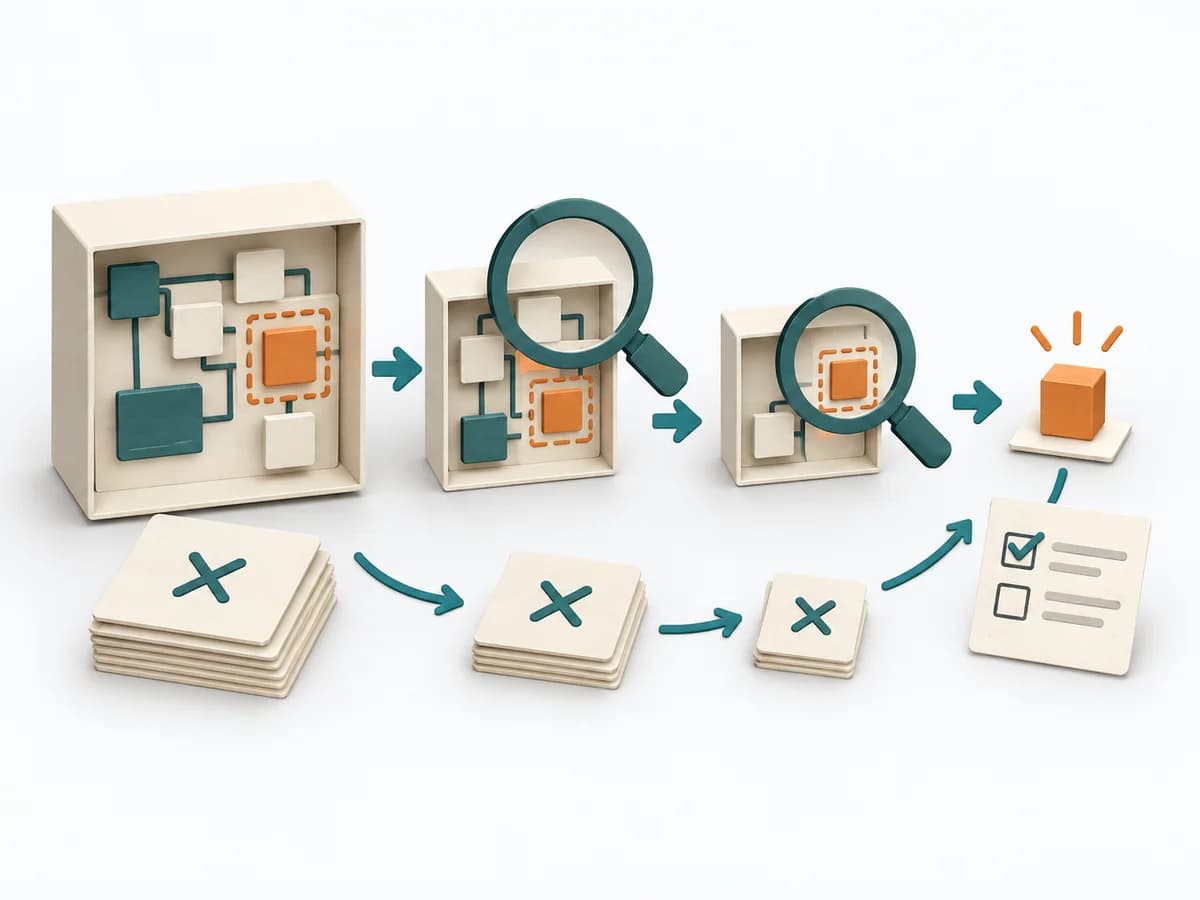 Engineering Fault Isolation |
|---|---|---|---|---|
Purposedifferent | When systems fail unexpectedly, spontaneous attempts often produce more noise than insight. Hypothesis-driven Troubleshooting translates symptoms into testable assumptions and makes troubleshooting learnable. | Views and Beyond organizes architecture into several views so no single diagram has to do everything at once. This makes it possible to choose the representation that fits the stakeholder's question. | An ADR permanently records an architecture decision with context, trade-offs, and consequence. It creates continuity for later changes because the decision path stays traceable. | In technical failures, the visible symptom often gets mixed up with the actual cause. Fault Isolation narrows the fault space and progressively reduces which part of the system is truly affected. |
Complexitydifferent | Medium | Medium | Low | Medium |
Timedifferent | 30-240 min | 1-3 Tage | 15-45 min | 30-180 min |
Participantsdifferent | 1-6 | 1-4 | 1-3 | 1-6 |
Formatdifferent | Workshop + async | Workshop + async | Async | Workshop + async |
Outputdifferent | Hypothesis Log, Test Plan, Evidence Notes, Diagnosis Summary | Architecture Views, Cross-view Notes, Rationale | ADR File, Decision Log, Rationale | Fault Isolation Map, Test Log, Excluded Hypotheses, Narrowed Fault Area |
Tagsno overlap | TroubleshootingProblem solvingDiagnosis | DocumentationStakeholdersArchitecture | ArchitectureRationaleDocumentationGovernance | TroubleshootingDiagnosisEngineering |